


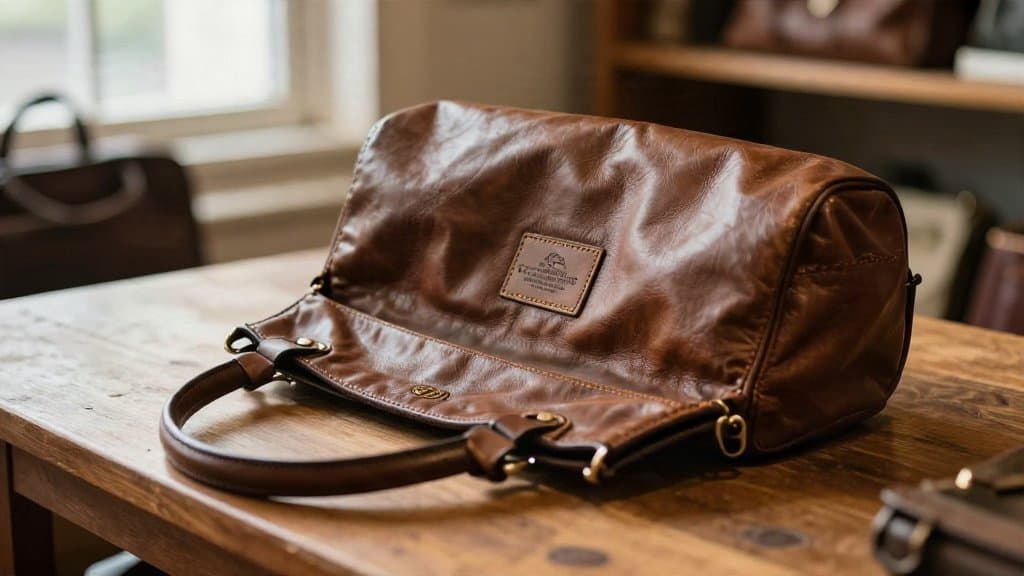
Inside vintage Coach bags, a coach creed stamped Made in New York City is the best sign you've found one worth flipping. That small leather patch carries the wording, the coach serial number and the country of origin, and together they tell you whether you're holding a 1970s workhorse or an outlet tote that tops out around $40.
Coach started in 1941 in a Manhattan loft on 34th Street, where six leather workers made wallets and billfolds by hand. Bonnie Cashin designed for the company from 1962 to 1974 and added the toggle hardware, side pockets and brighter colors that collectors still chase. The bags resellers want mostly come from those New York decades, and the creed is how you prove it.
What the coach creed actually tells you
The creed is a square leather patch sewn to an inside wall or into a zip pocket. It's embossed with Coach's short statement about its leather, and the production codes sit at the bottom. On a genuine bag the embossing is clean and even, and the text reads correctly with no misspellings.
The country line matters as much as the number. Made in USA or Made in New York City usually points to a bag made before 2000, while Made in China or Made in Vietnam marks a newer one. That single line often separates a $100 bag from a $20 one.
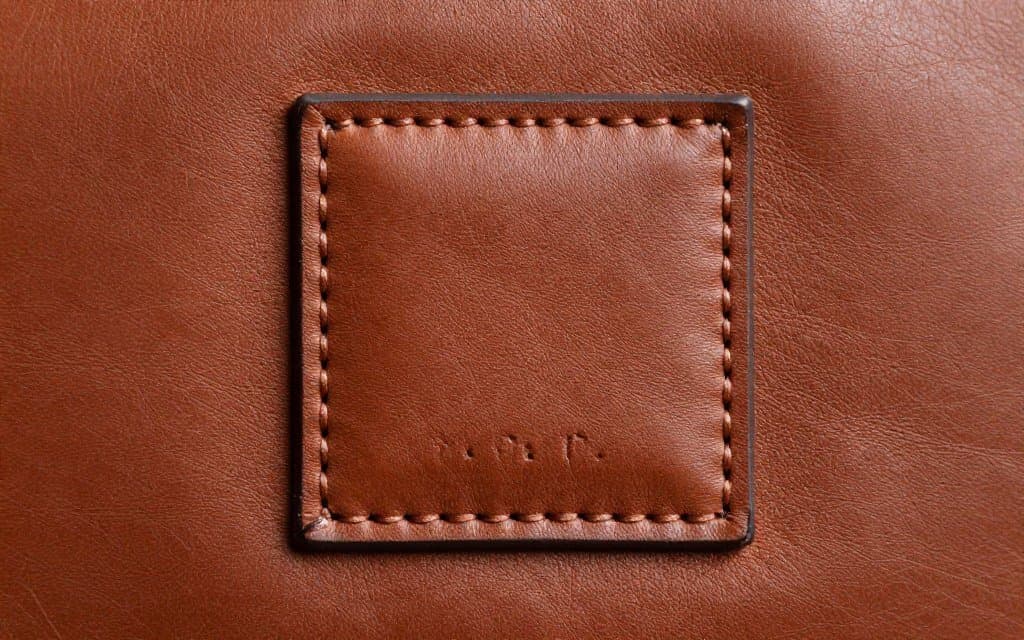
Small items get a pass. Wallets, card cases and coin purses often have no creed at all because there's no room for one, so a missing patch on a tiny piece isn't proof of a fake.
How to read a coach serial number by era
Coach changed its numbering several times, and a code that doesn't fit the bag's era is one of the quickest ways to spot trouble. There's no public lookup database, so you're matching formats by eye.
Before 1994, digits only
Many 1960s bags carry no serial number at all. Through the 1970s and 1980s the codes were plain digits, true serial numbers that were sometimes stamped straight into the leather. Those older numbers don't decode into a date, so judge the bag by its creed wording, leather and hardware.
From 1994, month, year, factory and style
In 1994 Coach switched to a letter, one or two digits, another letter, a dash and four numbers. Take K8P-9870: K is October because Coach skips the letter I, 8 means 1998, P is the factory, and 9870 is the style number.
- •First letter: the month it was made, A for January, skipping I
- •Next digit or two: the year, with two-digit years from 2004 on
- •Second letter: the factory or place of manufacture
- •Four digits after the dash: the style number
- •An F prefix means the bag was made for factory outlets
- •A P prefix marks a pilot bag from a trial production run
After 2014, longer codes and blank patches
Newer bags often use one letter, four numbers, a dash and five digits, and shorter codes showed up around 2020. Between 2014 and 2016 the creed was left blank and the style number moved to a small white fabric tag in a seam or pocket. A blank patch on a bag from those years is normal, not a red flag.
| Era | Serial Format | Meaning |
|---|---|---|
| 1960s | Often no number | Judge by creed, leather and hardware |
| 1970s to 1993 | Digits only | True serial, no date code |
| 1994 to 2013 | Like K8P-9870 | Month, year, factory, style |
| 2014 to 2016 | Blank creed | Style number on a white fabric tag |
| Post-2014 | Like A1234-12345 | Letter, four digits, five-digit style |
How to tell if a Coach bag is real before you pay
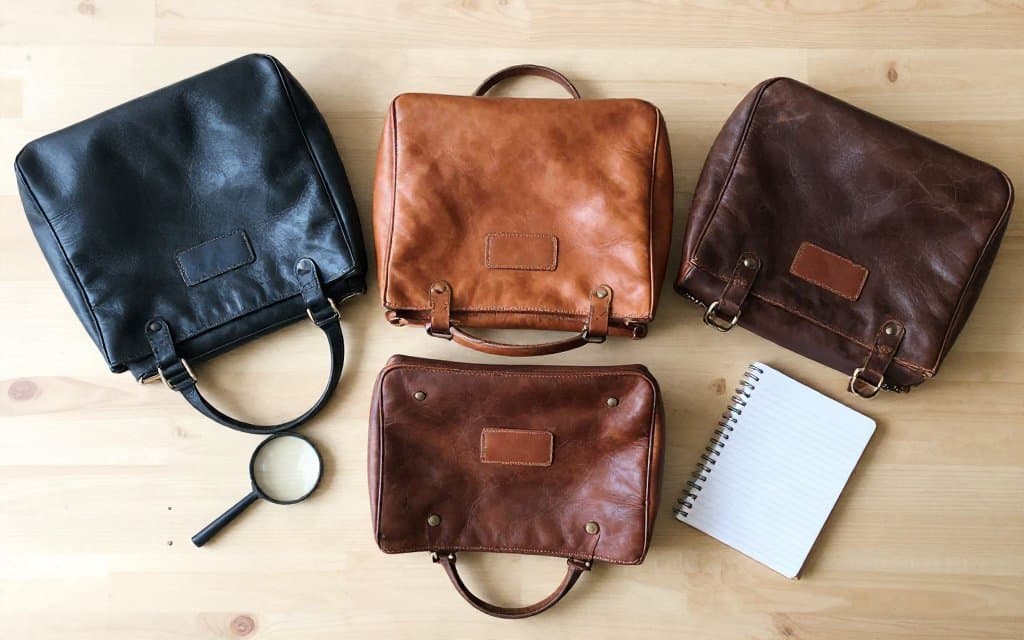
Fakes usually fail on the details that cost money to get right. Run through these checks in the aisle, and if a bag misses two or more, put it back on the rack.
- •Creed embossing is crisp, even and spelled correctly
- •Serial format matches the era the bag's style suggests
- •Stitches are even in length and tight near handles and zips
- •Hardware feels heavy, like solid brass rather than hollow metal
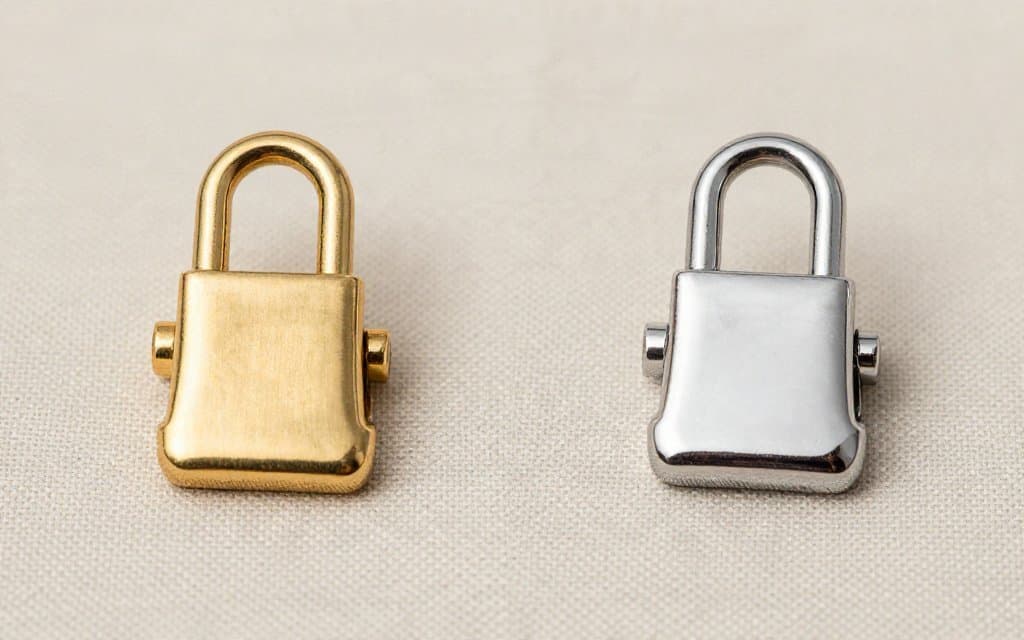
- •Turnlock is smooth and rounded with deep, precise engraving
- •Zippers are YKK or Ideal and glide without catching
Leather and canvas tell their own story
Classic glove-tanned Coach leather feels thick and supple and darkens into a patina with age. Signature C canvas should be crisp, symmetrical and tightly woven, while fakes often show a blurry print or a pattern that's off in proportion. Vintage dealers also treat repeated or random-looking serial numbers as another warning sign.
Coach doesn't authenticate bags or confirm serial numbers for the public, so coach bag authentication on the resale side always comes down to matching creed, code, hardware and leather to the right era.
What vintage Coach handbags actually sell for
Here's where reading the creed pays off. Resale ranges compiled by Underpriced AI put NYC-made and Bonnie Cashin era bags at $100 to $500 or more, with Cashin pieces that keep their original hardware landing at $200 to $500.
| Style | Resale Range | Notes |
|---|---|---|
| Bonnie Cashin era | $200 to $500 | Original hardware needed |
| Early NYC-made pieces | $100 to $300 | Simpler designs |
| Court Bag | $80 to $200 | Black, British tan, dark brown |
| Willis and Station | $60 to $150 | Darker leathers sell higher |
| Casino Bag | $50 to $100 | Steady, affordable flip |
| Outlet and factory | $10 to $40 | F prefix or bullseye stamp |
Condition swings those numbers hard. Heavy wear cuts value by 50% to 70%, so a Court Bag that sells for $150 in good shape may only bring $40 to $60 when it's scuffed and stained. Before you list, factor in selling costs too, because eBay fees take a bigger cut than most flippers expect.
Put it in thrift store terms. If you pay $8 for an NYC-made Willis, even the $60 low end leaves room after fees and shipping. Pay the same $8 for an outlet tote that sells for $20 and you've barely covered postage, which is why thirty seconds spent reading the creed is the best return in the store.
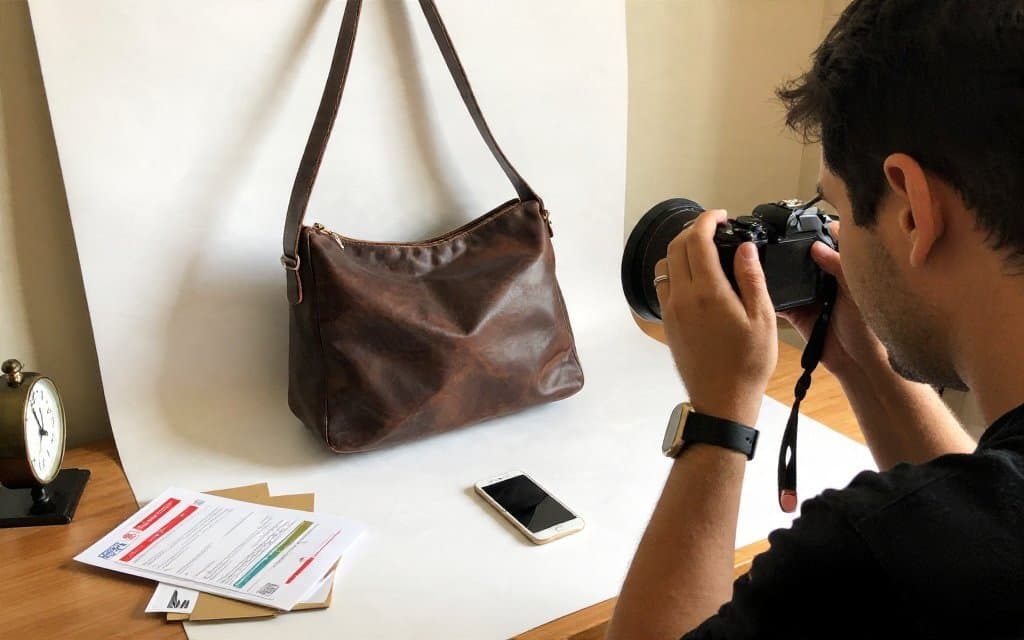
Outlet pieces and older Coach handbags look different
Most Coach on thrift shelves today is outlet or factory stock. Look for an F at the start of the code or a small punched bullseye circle on the creed or interior, since either one marks factory production. Signature C canvas outlet bags that sold new for $100 to $200 usually resell for only $10 to $30.
- •An F prefix on the code means it was made for outlet stores
- •A punched bullseye circle inside also marks outlet stock
- •Made in China or Vietnam on the creed points to a newer bag
- •Poppy line bags usually resell for just $15 to $40
Older Coach handbags with no exterior logo, solid brass hardware and a Made in New York City creed are the ones to grab. Logo canvas came later and resells for a fraction of the price.
That doesn't make every newer vintage Coach purse worthless. Early 2000s Legacy pieces hold value, with Legacy shoulder bags reselling for $50 to $120 thanks to the leather and Patricia's Legacy running $60 to $150 depending on color. It's the same era-first thinking we use when reading vintage Nike tags.
Questions resellers ask about vintage Coach bags
How do you know if a Coach purse is real without a serial number?
Check the bag's type and age first. Many 1960s bags and most small pieces like wallets and coin purses never had a number, so lean on the creed wording, the stitching, the weight of the hardware and the feel of the leather instead.
How can you tell if a Coach bag is real from photos?
You need sharp, straight-on shots of the creed and serial, plus the hardware and the stitching near the handles. Coach collector forums usually ask for exactly those photos and the bag's measurements before they'll weigh in on a vintage piece.
Are antique Coach bags from the 1960s worth more?
Often, if they're Bonnie Cashin designs with their original hardware, which sit at the top of the resale range. Calling them antique stretches the word, since most date from the 1960s and 1970s, but that's how plenty of buyers search for them.
Does Coach authenticate old bags?
No, and there's no public serial lookup either, which is why era charts like the one above are so handy. Other luxury brands work the same way, as our Louis Vuitton date code guide shows, and you can find more brand guides at thrifting.app.
Ready to stop guessing at creeds and start profiting? Download Thrift Scanner and snap a photo of any Coach bag to get the brand, era clues and real sold-listing values before you reach the register. Get the app here: iOS or Android.