


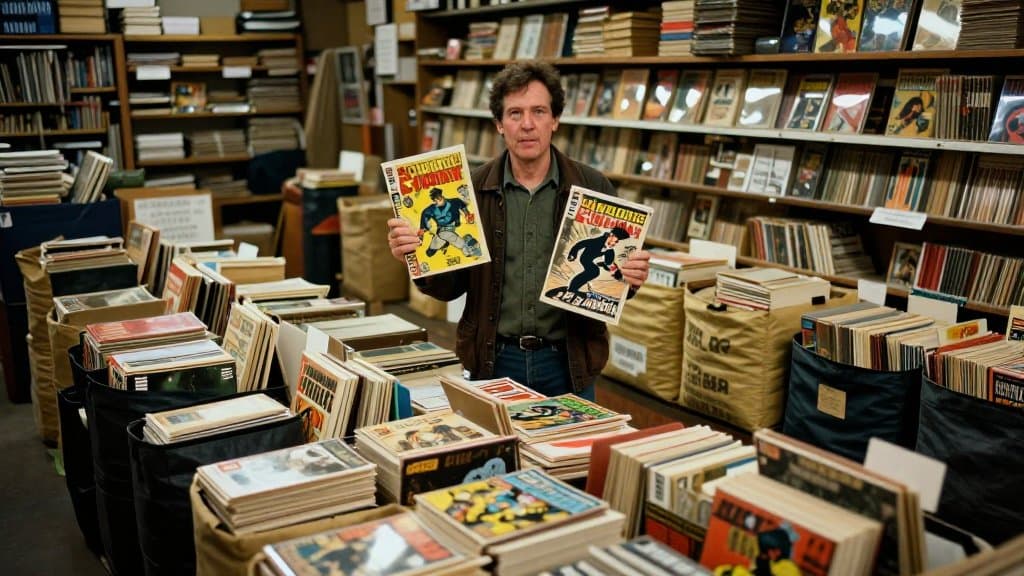
Most comic books in a thrift store bin are worth about a dollar, and then one book in the stack pays for the whole trip. Valuable comic books almost never come down to age alone. They come down to a key issue, the right printing, and condition, and once you know those three things you can read a fifty cent box like a price guide.
The gap is wild. A common issue in rough shape might bring two dollars, while the same title carrying a first appearance in high grade can bring thousands. Resellers who clean up at the comic bins aren't lucky, they just know which handful of details move the price, and they check them fast.
What makes valuable comic books valuable
A key issue is a comic that carries a first appearance, an origin, a major death, or a first cover. Those moments are what collectors chase for decades, so the price sticks. Everything else in a long run tends to stay cheap no matter how old it looks.
Scarcity plus demand sets the price. A rare book nobody wants stays cheap, and a common book everyone wants never climbs far.
That is why a 1990s book printed in the millions can sit at cover price while a thin 1960s issue with a first appearance runs into five figures. Age helps, but the story beat on the page is what turns a comic into money. Learn to spot the beat and you stop overpaying.
- •First appearance of a hero, villain, or team
- •An origin story or a major character death
- •A first cover or a new costume debut
- •A low print run or a recalled cover error
- •A character with a current movie or show
The key issues that turn pocket change into real money
The most valuable comic books ever sold are Golden Age and Silver Age key issues in strong grades. Action Comics 1 from 1938 sold for 6.6 million dollars in a CGC 9.0, which makes it the most expensive comic book on record. Amazing Fantasy 15, the first Spider-Man, reached 3.6 million dollars in a CGC 9.6.
You will not pull a million dollar book from a Goodwill, but the same logic scales down. Amazing Spider-Man key issues, early X-Men, and other key issue comics from the 1970s and 1980s show up in donation boxes more often than people think, and they still bring real money in mid grade.
| Issue | Grade | Recent sale |
|---|---|---|
| Action Comics 1 | CGC 9.0 | $6.6 million |
| Amazing Fantasy 15 | CGC 9.6 | $3.6 million |
| Detective Comics 27 | CGC 8.0 | $1.74 million |
| Incredible Hulk 1 | CGC 9.4 | $490,000 |
Superman 1 and Action Comics 1 are the valuable Superman comics everyone knows, but the practical wins are quieter. A first appearance of a character who just got a streaming show can jump from twenty dollars to two hundred in a single week, so demand timing matters as much as the book itself.
Newsstand copies can beat the direct edition by 5x
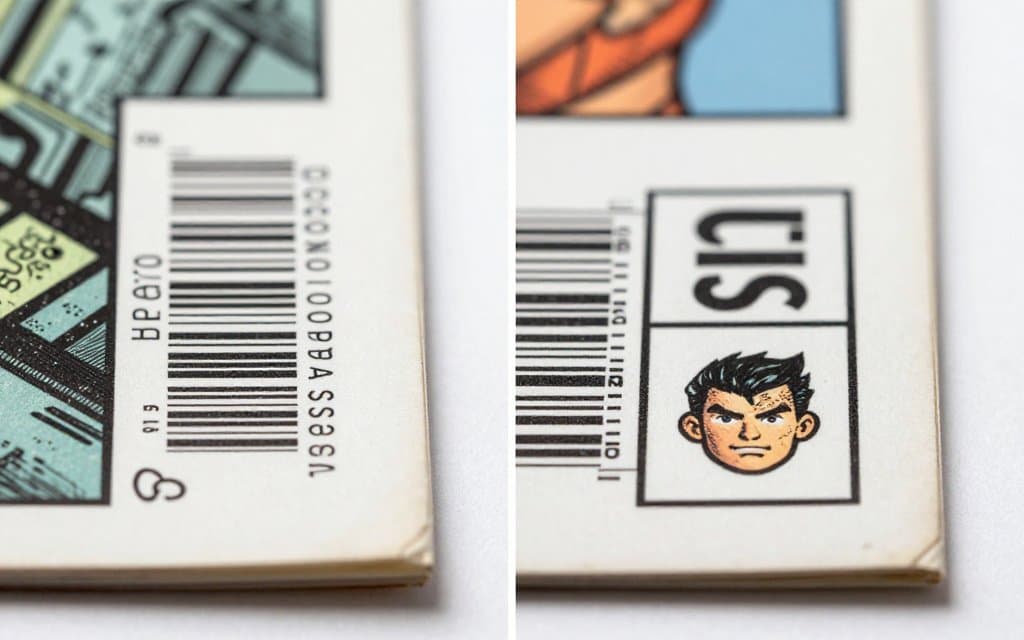
Here is the edge most shoppers miss. From the late 1970s through 2017, publishers printed two versions of the same issue. Newsstand copies went to drugstores and supermarkets with a full barcode, while direct editions went to comic shops with a logo in the barcode box. The newsstand ones are now far rarer.
How to spot a newsstand copy
Flip the book over in your hands and look at the lower left corner of the front cover. A real UPC barcode usually means newsstand. A Spider-Man head on a Marvel book, or a DC bullet or blank box, usually means direct edition. It takes about two seconds once you train your eye.
- •Look for a full UPC barcode on the cover
- •Marvel direct copies show a Spider-Man head
- •DC direct copies show a bullet or blank box
- •Later newsstand runs are the scarcest of all
Scarcity drove the split. Newsstand copies were near half of print in the early 1980s, fell to roughly 30 percent by the late 1980s, then 15 to 20 percent in the mid 1990s and under 10 percent by the early 2000s. By 2013 to 2017 they had all but stopped, which is why late copies command the biggest premiums.
From 2010 to 2017, newsstand copies can run five to twenty times their direct edition twins in the same grade.
The dollars are real. A New Mutants 98 newsstand, the first Deadpool, has sold in the 8,000 to 12,000 dollar range in CGC 9.8, while the direct edition of the same book sits closer to 3,000 to 4,000. Same story, same art, one small barcode box worth thousands. Learn the newsstand gap before you sort a box, because that two second check is pure profit.
Condition and grading decide the final number
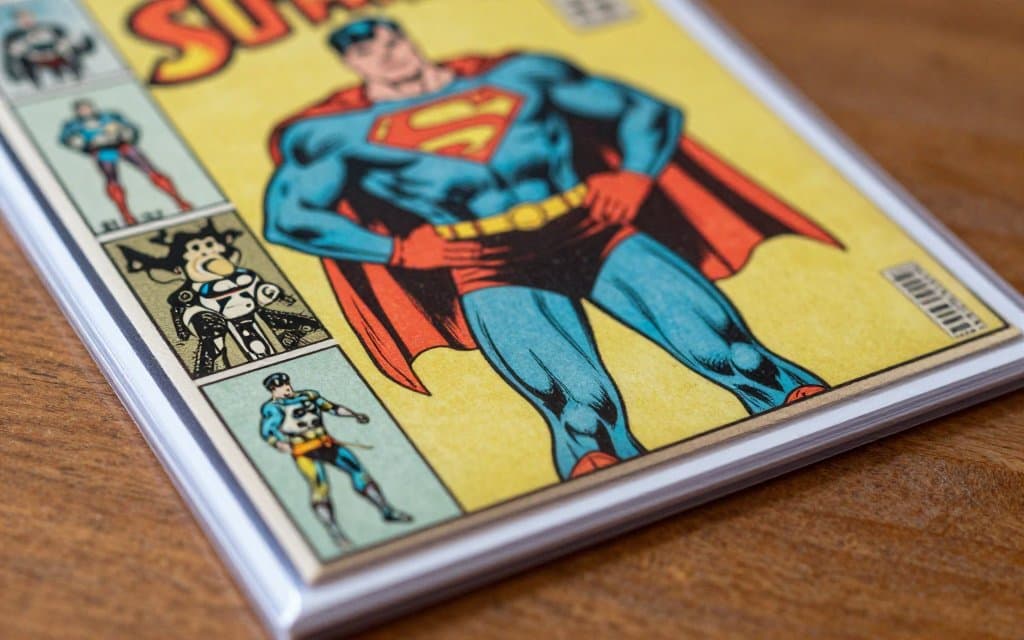
Condition is not a detail, it is most of the value. High value comic books almost always sit in high grade, because collectors pay for the copy that looks like it left the printer yesterday. The same key issue can swing from a few hundred dollars to six figures on grade alone.
A CGC 9.8 can be worth ten to fifty times the same issue in beat-up shape, so condition is the whole game, not a footnote.
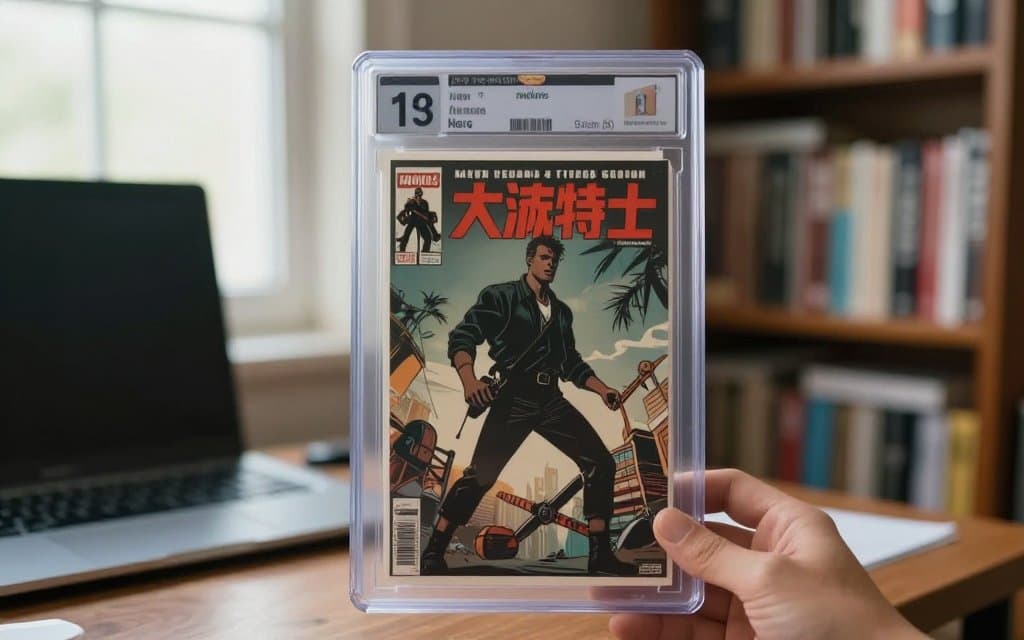
That is where third party grading comes in. A service like CGC seals the book in a slab with a number from 0.5 to 10.0, and a certified grade can add real money to a key issue by removing all doubt about condition. It also protects a fragile book for good.
What CGC grading costs
The cgc grading cost depends on how valuable the book is. Their published tiers run from a modern rate near 30 dollars up to a high value tier around 105 dollars, with a fast track add on. Knowing the cgc grading price up front keeps you from grading a book that will never earn it back.
| CGC tier | Max value | Fee |
|---|---|---|
| Modern | $400 | $30 |
| Vintage | $400 | $45 |
| High Value | $1,000 | $105 |
| Unlimited | No cap | 4% of value |
- •Grade only when raw value clears $100 or more
- •A high grade must multiply the price a lot
- •The book should be a genuine key issue
- •Condition needs to look like 8.0 or better
Those fees come from CGC's published grading fees, and they move over time, so check before you ship. Add two way shipping and insurance to every estimate, because the postage on a fragile slab is not trivial.
What your comic finds are actually worth
So what are your comic finds actually worth? The honest answer is whatever the last few sold for, not the sticker on a price guide. The fastest way to learn what these comic books are worth is to copy how full time resellers price, and it takes about a minute per book.
- 1.Match the exact issue number and printing
- 2.Search the title on eBay sold listings
- 3.Filter to graded copies near your grade
- 4.Check the CGC census for how rare it is
- 5.Subtract grading and shipping from profit
The census check matters because rarity drives the top of the market. If fewer than a hundred copies exist in a given high grade, yours is genuinely scarce. Cross checking sold prices against the known record comic values keeps your expectations honest and your offers sharp.
This is the same discipline that separates winners in any category. The most valuable comics reward the same homework that the most valuable NES games and the rare minifigures hiding in Lego bins do, and it rhymes with how vinyl records worth money come down to the first pressing. If you would rather skip the guesswork, scan a cover against real sold data on thrifting.app and get a value before you reach the register.
Questions thrifters ask about comic values
What comic books are worth money?
The comic books worth money are almost always key issues: first appearances, origins, and first covers of characters people still care about. A common issue from a million copy print run rarely clears a few dollars, no matter its age. Look for the story beat, then the grade, then the printing.
How much does CGC grading cost?
CGC posts tiers that scale with a book's value, from a modern rate near 30 dollars to a high value rate around 105 dollars, plus optional fast track and pressing fees. Grade a book only when the certified copy should sell for clearly more than the raw copy plus those fees. For anything under about 100 dollars, grading usually eats the profit.
Are old newsstand comics worth more?
Often yes, especially copies from 1995 and later, because so few survived. A newsstand copy can run several times its direct edition twin in the same grade. Flip the book and check the barcode box before you assume two copies are equal.
How do I find the most valuable comics in a box?
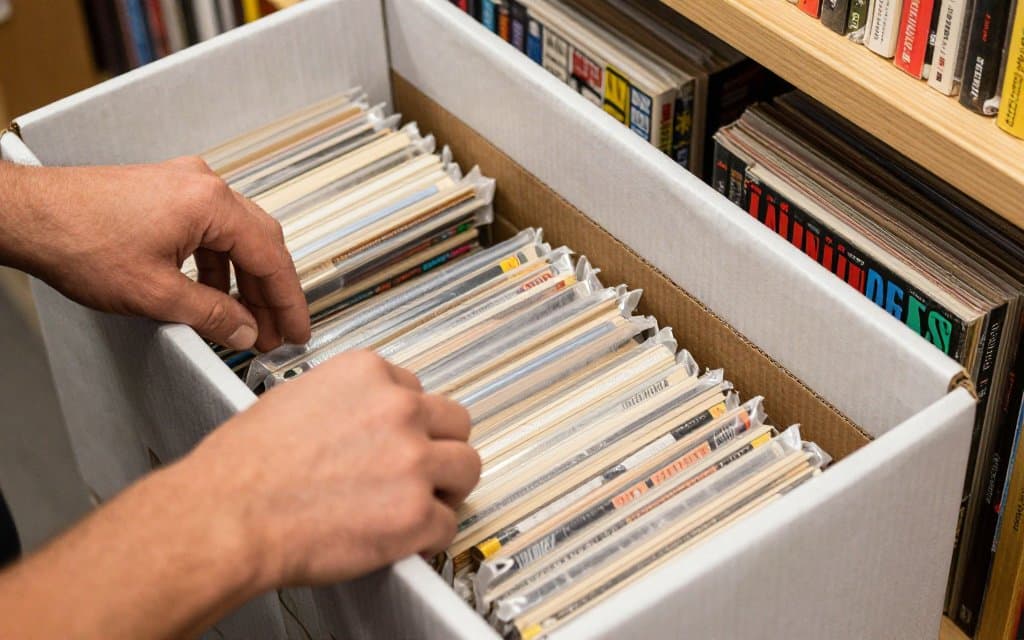
Scan spines for key issue numbers and first appearances, then pull anything with a clean cover and tight staples. Check the barcode box for newsstand copies, and price the keepers against eBay sold listings. A phone and a few minutes will tell you which key comics are worth carrying home.
Ready to stop guessing at the bins and start spotting the key issues before anyone else? Thrift Scanner reads a cover, checks real sold prices, and tells you what a comic is worth before you buy, so you never leave a valuable book behind. Snap a photo, get real market data, and shop like a pro. Get the app here: iOS or Android.