


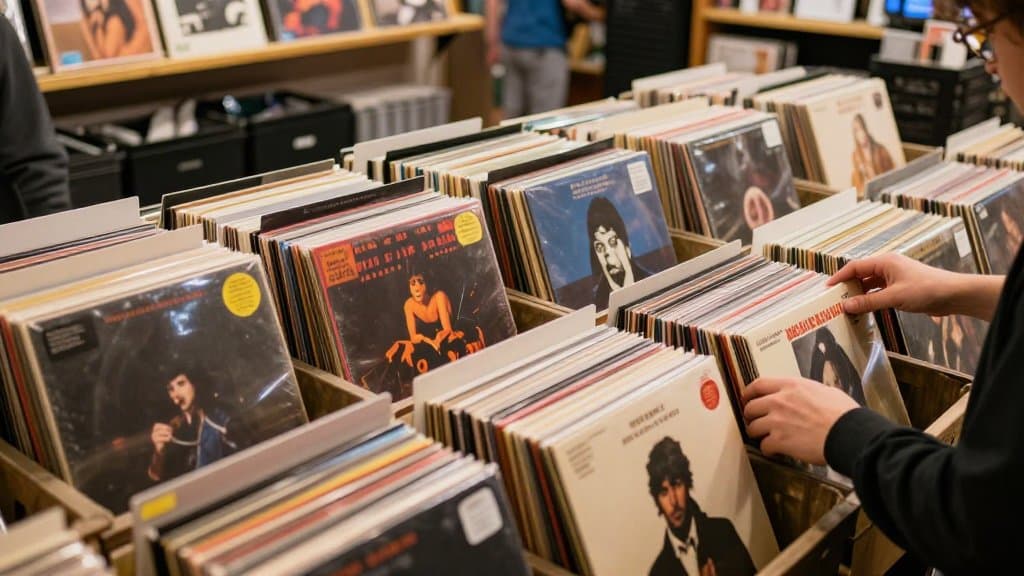
Most crates at the thrift store hold dollar-bin filler, but a few vinyl records worth money hide in nearly every pile. The gap between a 99 cent easy-listening LP and a first pressing a collector pays four figures for comes down to a handful of details you can read in seconds.
Thrift shops rarely price records against the real market, so the margins can be wide. This vinyl record value guide walks through the dead wax codes, label art, and condition grades that separate valuable vinyl records from the common repress copies stacked right beside them.
What Makes Vinyl Records Worth Money at the Thrift Store
Four things drive price: scarcity, demand, condition, and historical weight. A record becomes a prize when several of those line up, like an early pressing of a famous album that shipped in small numbers and still looks clean.
The rarest 45 records and small private-press releases can outrun famous albums, because only a few hundred copies ever existed. Regional soul labels, withdrawn covers, and sealed originals are where the real records worth money tend to sit, much the way the hallmarks on sterling silver markings separate scrap from treasure.
A first pressing can be worth 10 to 20 times a later copy of the same album, but only if the condition holds up.
Read the Dead Wax to Spot a First Pressing
The dead wax is the smooth ring between the last groove and the center label, and it often holds the most important clue on the whole record. Tilt the disc under a light and look for etched or stamped letters and numbers just before the label.
How to tell if a record is a first pressing
Matrix and stamper codes follow no single system, but lower numbers usually mean an earlier cut. Hand-etched codes like A1, B1, or -1 point to first pressings, while an RE marking flags a recut, later lacquer. Check both sides, since side A and side B can come from different cuts.
- •Etched matrix codes like A1, B1, or -1 by hand
- •No barcode on the back of an older sleeve
- •Original label art current at the release year
- •Inserts, posters, or stickers later reissues dropped
- •Thicker, heavier vinyl than modern repress copies
The dead wax always takes priority over the sleeve. Covers were reused and records got swapped, so the vinyl is the honest record.
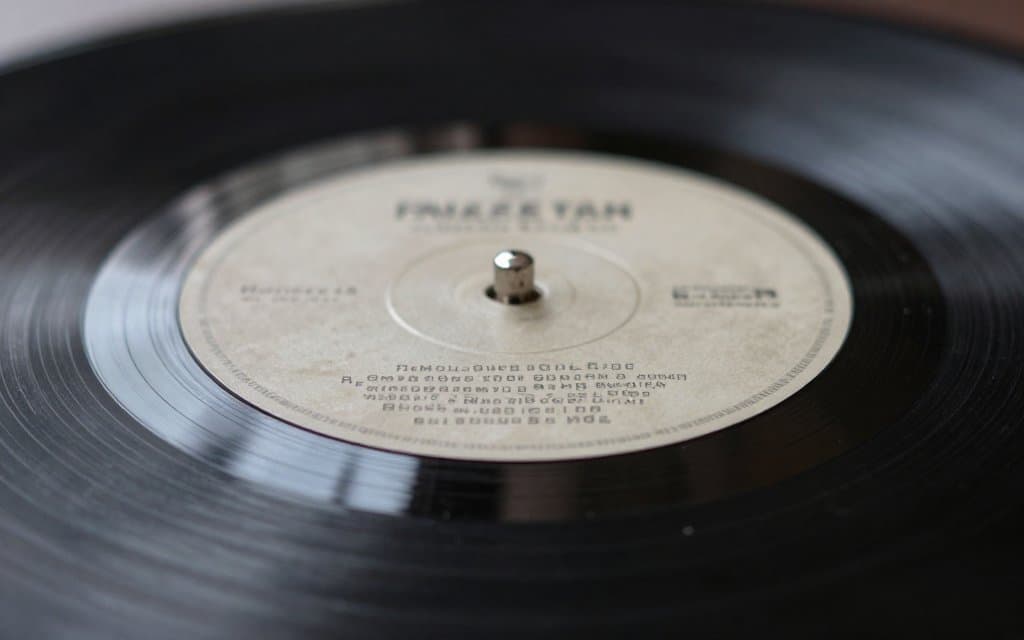
How To Identify Record Pressings... (Understanding Deadwax/ Runout Codes on Vinyl Records)
Label Art, Catalog Numbers, and Sleeve Clues
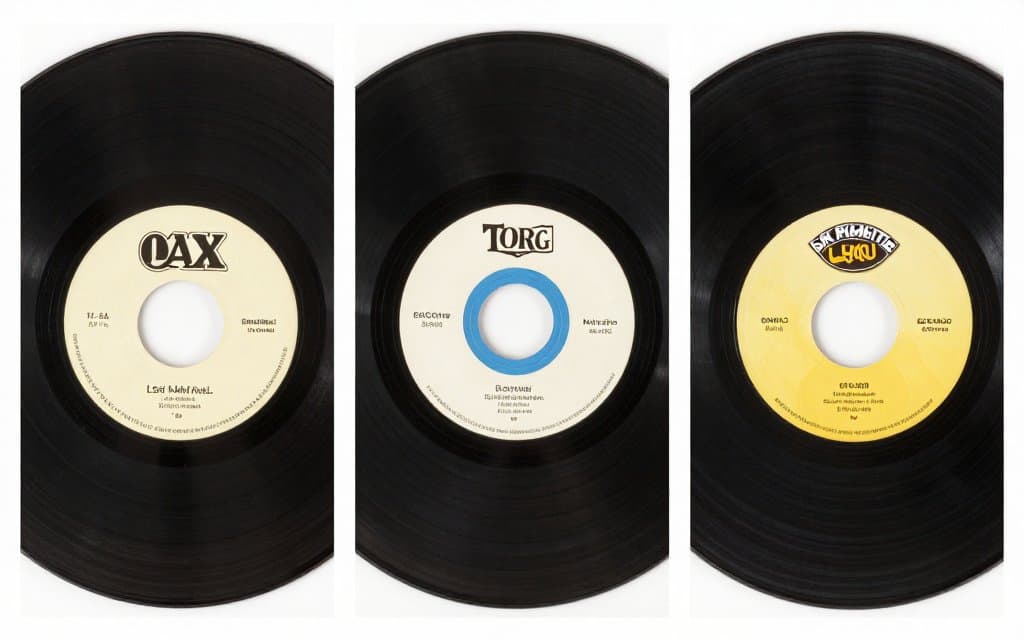
Record labels changed their logos and layouts often, so the art that was current at release is a strong pressing clue. Early Columbia and RCA labels, for example, look nothing like their versions a decade later.
Catalog numbers beat the cover
The catalog number is the single most reliable clue to an original pressing, since a first release carries the number it launched with. Treat it like the date codes on a Zippo lighter, a small stamp that pins down the year. On older records a barcode almost always means a reissue, and missing inserts or posters can give away a later copy.
How Condition Changes What a Record Is Worth
Even a scarce title loses most of its value once it is scratched. Collectors grade with the Goldmine standard, which sets Near Mint as the baseline and scales every lower grade down from there.
A Very Good Plus copy usually brings about half of Near Mint money, and a Very Good copy drops to roughly a quarter. Good copies fetch 10 to 15 percent, so condition is the fastest way to turn a rare find into a modest one, the same lesson resellers learn from a cast iron value guide.
| Grade | Condition | Value |
|---|---|---|
| Near Mint | No visible defects | 100 percent |
| Very Good Plus | Light scuffs only | About 50 percent |
| Very Good | Audible surface noise | About 25 percent |
| Good | Plays through, heavy wear | 10 to 15 percent |
| Poor or Fair | Barely playable | 0 to 5 percent |
- •Deep scratches you can catch with a fingernail
- •Ring wear or heavy writing on the label
- •Warping that makes the record wobble when flat
- •Musty smell or water damage on the sleeve
Records Worth Money: Real Prices Collectors Paid
The top of the market runs into six figures. An Elvis Presley acetate of My Happiness from 1953, the only known pre-contract recording, sold for 300,000 dollars, and the Beatles butcher cover of Yesterday and Today has changed hands for 125,000 dollars.
You will not find those in a donation bin, but their more common cousins do surface. The most expensive vinyl records grab headlines, yet thrift-realistic finds like a Pink Floyd Dark Side of the Moon with the solid blue prism label have sold for over 13,000 dollars in top shape.
| Record | Detail | Price |
|---|---|---|
| Elvis, My Happiness | 1953 Sun acetate | 300,000 dollars |
| Beatles, Yesterday and Today | Butcher cover | 125,000 dollars |
| Frank Wilson 45 | Soul, under 5 copies | 40,000 dollars |
| Pink Floyd, Dark Side | Blue prism label | 13,000 dollars |
| Beach Boys, Summer in Paradise | Only 1,000 copies | 3,700 dollars |
Big jazz labels like Blue Note and Prestige often pressed only about a thousand original copies per title, which is why clean first pressings command so much.
Auction records aside, the most valuable vinyl records reward patience. Collectors study the top 100 most valuable vinyl records lists to memorize covers, then hunt for weeks before one turns up in a bin.
What to Grab in the Thrift Store Bins
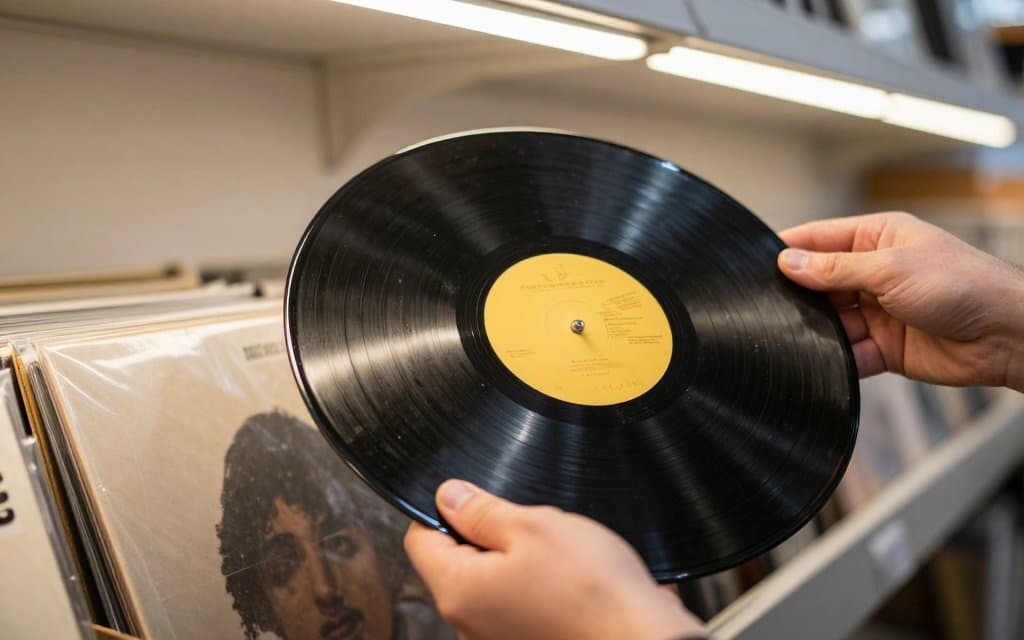
Speed matters when you are flipping through a full crate. Keep a mental want-list of high-value pressings and grab first, inspect second, because good records move fast on busy days.
- •Blue Note and Prestige original jazz pressings
- •Northern Soul 45s on small regional labels
- •Pink Floyd Dark Side with a solid blue prism
- •Rolling Stones Sticky Fingers with a real zipper
- •Velvet Underground copies with the banana sticker
Genre helps too. Classic jazz, early classic rock, Northern Soul singles, and small-label private pressings hold value far better than mass-market pop, in the same way single stitch t-shirts beat modern blanks. Lp records worth money often carry that regional or audiophile pedigree.
Common Questions About Valuable Vinyl
Which vinyl albums worth money show up most at thrift stores?
Classic rock and jazz from the 1960s and 1970s appear most often, names like the Beatles, Bob Dylan, Led Zeppelin, and Pink Floyd. Most copies are common reissues, so the money is in the early pressings you confirm through the dead wax and label.
Do light scratches ruin high value vinyl records?
Light surface scuffs that do not affect play only drop a record to the Very Good Plus tier, worth about half of Near Mint. Deep scratches you can feel with a fingernail push it to Very Good or lower, where value falls to a quarter or less.
Where can I find a trusted vinyl record value guide?
Discogs is the largest pressing database and lists sold prices, while Popsike tracks auction history. Filter eBay sold listings to the exact pressing to see what buyers actually pay, not asking prices.
Ready to stop guessing which records are worth money and start profiting? Thrift Scanner reads the pressing, checks the condition, and shows real sold prices from millions of listings before you buy. Snap a photo of any record in the bin and never overpay again. Get the app here: iOS or Android.