


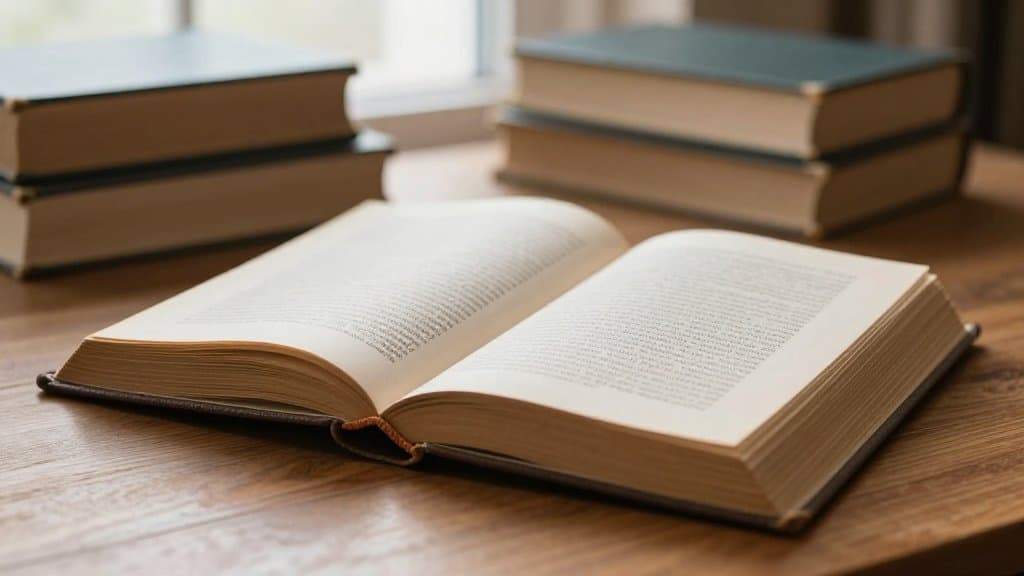
That battered hardcover in the fifty-cent bin might be a first printing worth more than a week's groceries. Knowing how to tell if a book is a first edition is the whole difference between walking out with a $1 reading copy and walking out with a $500 flip. The clue is not the cover art. It is two pages most shoppers never open.
Those two pages are the title page and the copyright page, and they take about ten seconds to read once you know the pattern. Most thrift stores price books by weight and shelf space, not by edition, so the person who checks the number line beats the person who checks the pretty spine every single time.
How to tell if a book is a first edition
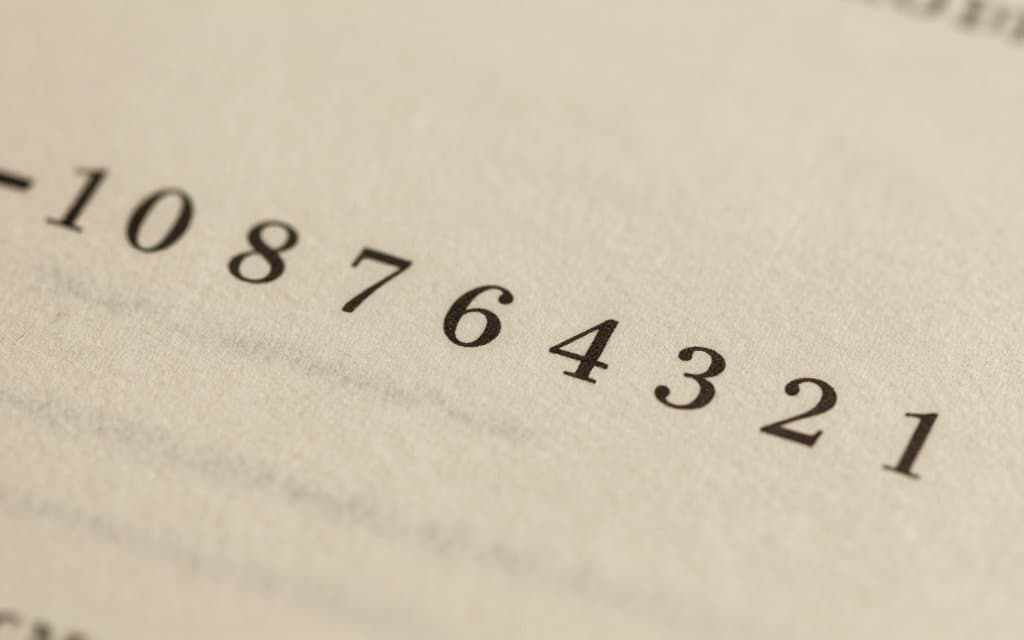
Flip to the copyright page, the crowded one with the publisher address and the ISBN. Publishers announce a first printing two ways, a written line and a number line, and you want them to agree. The AbeBooks collecting guide makes the point that the number line is the more reliable of the two.
A number line is a row of digits printed like 10 9 8 7 6 5 4 3 2 1. The lowest number still present tells you the printing. If a 1 sits in that row, you are holding a first printing. If the lowest digit is a 2, it is a second printing, and the 1 was pulled when the press was reset for the next run.
If the number line runs down to a 1, you are holding the first printing. When the lowest digit is a 2, someone already sold out the first run before you got there.
The number line, decoded
Not every house counts the same way. Some run the line left to right, some center the 1, and older Random House titles add the words First Edition above the line, so a true first shows both the phrase and the digit. So how do you identify a first edition book when the copyright page looks busy? Trust the line, not the marketing words next to it.
| Number line | Lowest digit | Printing |
|---|---|---|
| 10 9 8 7 6 5 4 3 2 1 | 1 | First printing |
| 10 9 8 7 6 5 4 3 2 | 2 | Second printing |
| 9 8 7 6 5 4 3 | 3 | Third printing |
Some publishers leave the words First Edition on the page through every reprint, which is exactly why the number line, not the phrase, answers how to tell if a book is a first printing. When the two disagree, the digit wins and the words are just leftover boilerplate.
First edition books value depends on more than the printing
A first printing alone is not a payday. First edition books value rides on four things at once, the author, the demand, the condition, and whether the original dust jacket survived. Miss any one of them and a scarce first can still be a $15 book.
The dust jacket is the heavyweight. FinanceBuzz reporting notes that a desirable first edition without its jacket is usually worth far less, and collectors pay a steep premium for a clean, unclipped jacket that still shows the original printed price.
- •An original dust jacket with its price intact
- •A tight binding with no cracked spine
- •The author's own signature on the title page
- •A small first print run that sold out fast
- •Clean pages with no mold, tape, or notes
Points of issue that push the price
Serious collectors also hunt points of issue, tiny printing quirks unique to the first run. A typo later corrected, a wrong price on the flap, a map bound upside down, any of these can mark the earliest state and add real money on top of the base first-edition price.
Condition can swing a first edition's value by ten times. The same title in a torn jacket and a crisp jacket are simply not the same sale.
Book club editions are the trap that fools new flippers
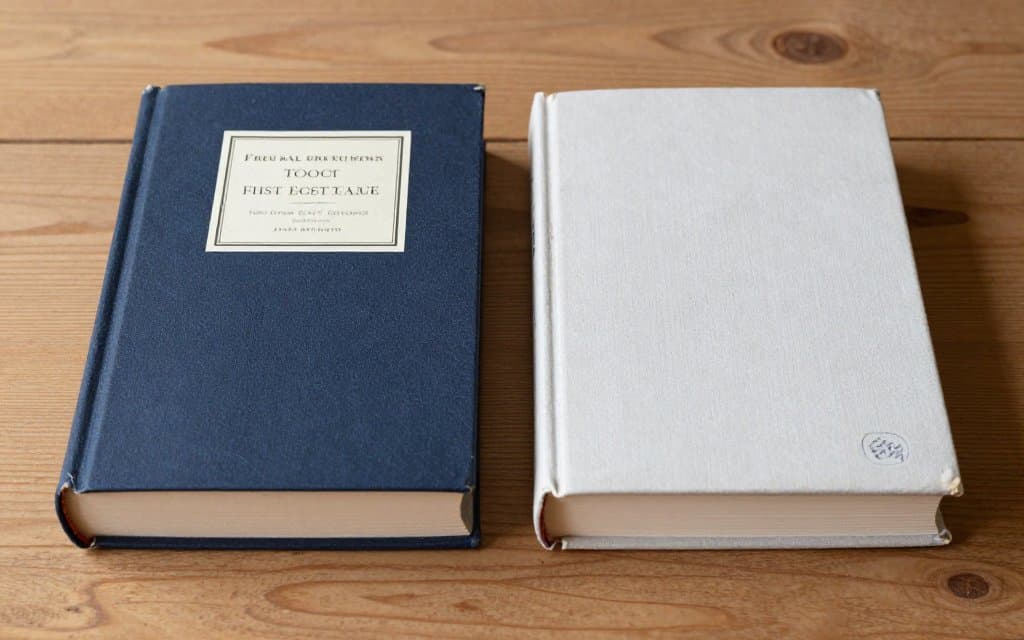
Here is where beginners lose money. Book club editions look almost identical to true firsts, and they sometimes print the words First Edition and even a number line, yet they sell for a small fraction of the trade printing.
Two tells give them away fast. The dust jacket has no printed price anywhere on the flap, and there is often a small blind stamp, a pressed dot or square, on the lower back cover. Book club copies also feel lighter in the hand and run a touch smaller than the bookstore edition.
- •No price printed on the dust jacket flap
- •A blind-stamped dot or square on the back
- •Cheaper, thinner paper and a smaller trim
- •Glued binding instead of sewn page signatures
The most valuable book in the world started as a normal release
Every record breaker was once a new release nobody bothered to protect. The most valuable book in the world at auction shifts from year to year, but modern printed books regularly clear six figures when they are early, scarce, and clean.
A first printing of Harry Potter and the Philosopher's Stone from 1997 sold for around $471,000, and the initial run was only about 500 copies, most of them shipped to libraries. A first edition Hobbit from 1937 reached $128,509, and a 1925 first of The Great Gatsby brought $93,750, per documented auction results.
You will not pull those out of a donation bin, but they set the ceiling. The most valuable books share one pattern, a famous author caught early, before the wider world knew the name would ever matter.
| Title | Year | Sale price |
|---|---|---|
| Harry Potter, Philosopher's Stone | 1997 | $471,000 |
| The Hobbit | 1937 | $128,509 |
| The Great Gatsby | 1925 | $93,750 |
| To Kill a Mockingbird | 1960 | $8,500 |
What a first edition actually resells for
Set the auction fireworks aside for a second. The realistic thrift flip lives between $40 and $500, and it shows up in modern firsts, not centuries-old antiques. A first printing of a Stephen King title from the late 1970s or 1980s, Carrie or The Shining in a clean jacket, routinely trades in the low hundreds.
Do the math on one find. You pay $2 for a hardcover, confirm the number line ends in a 1, check that the jacket price is intact, then list it against completed eBay sales at $180. After fees and shipping you keep roughly $140, out of a two-dollar book off a crowded shelf.
The flip is not the $471,000 headline. It is the $2 book that lists at $180 because you read the number line and the last shopper did not.
Condition still rules the final number. A To Kill a Mockingbird first edition can top $8,500 in collector grade, while a reading copy with a chipped jacket and a name inked inside the cover might bring $60. The same first-run logic drives vinyl records worth money, where a first pressing always beats a later repress.
How to identify first edition books fast in the aisle

You do not have time to research every spine, so build a filter. Learning how to identify first edition books quickly means checking the same three spots in the same order, the number line, the jacket price, and the author, then moving on if any of them fails.
- 1.Open to the copyright page and find the number line
- 2.Confirm the lowest digit in that line is a 1
- 3.Check the jacket flap for a printed price
- 4.Weigh the author name against collected names
- 5.Photograph the cover and compare sold listings
That last step is where a phone earns its keep. Point Thrift Scanner at the cover and it reads the title, checks real sold prices, and tells you whether the flip clears your minimum before you ever reach the register. You can see the full breakdown of what sells at thrifting.app.
Books are only one lane. The same read-the-marks habit works on designer bags and stamped metals, so a book run and a handbag run really do use the same trained eye.
Questions thrifters ask about first editions
How do you tell if a book is first edition without a dust jacket?
Go straight to the copyright page and read the number line, since the jacket is gone but the printing record is not. A line ending in 1, or a stated First Edition backed by that 1, still confirms a first printing. Just remember the missing jacket usually cuts the resale value hard, so a jacketless first is often a modest sale rather than a big one.
How can you identify a first edition book if the number line is missing?
Older books, roughly pre-1970s, often skip number lines entirely, so you lean on the publisher's stated wording and known points of issue instead. Look for the exact phrase the publisher used for that title's first run, then match small details like the price, the address, or a known typo. When it is unclear, a completed-sales search on the specific edition settles it.
How can you tell if you have a first edition book worth selling?
Start with the printing, then judge the money. To confirm how to tell if your book is a first edition, match the number line to the first-printing rule, then weigh the author, the jacket, and the condition together. A clean first by a collected author clears real money, while a first printing of a forgotten title in rough shape may not beat the shipping cost.
Ready to stop guessing at the number line and start pricing books before you buy them? Thrift Scanner reads the title, pulls real sold listings, and shows a resale estimate in seconds, so a fifty-cent hardcover never slips past you again. Get the app here: iOS or Android.