


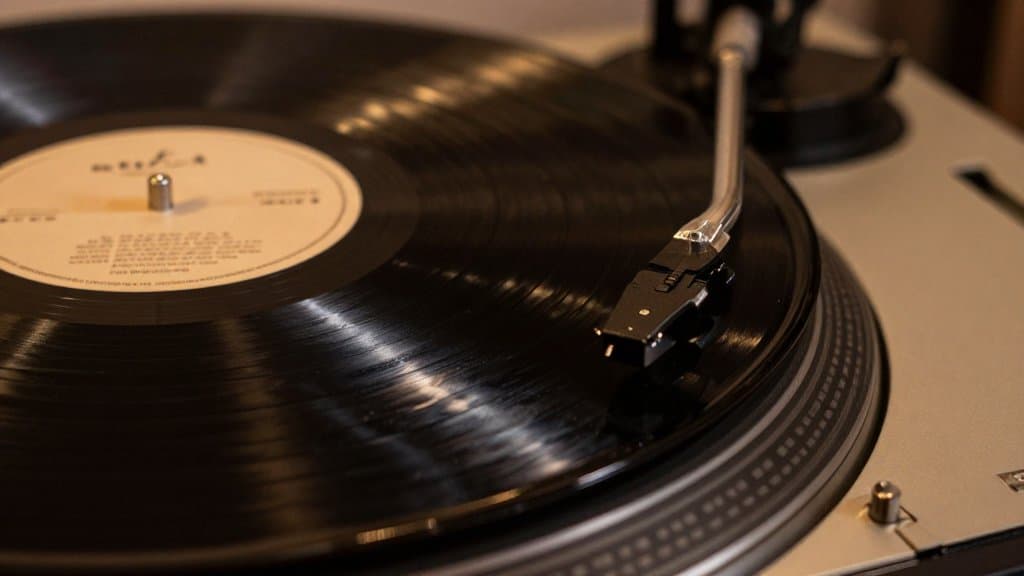
Most vinyl records at a yard sale are worth a couple of dollars, and then there is the one that isn't. The gap between a $2 crate filler and a four figure pressing usually comes down to a ring of tiny etched codes near the label. Record collecting rewards the person who flips the record over and actually reads them.
That ring is the dead wax, and it is where you learn whether you are holding vinyl records worth money or a common reissue. Two copies of the same album can look identical on the shelf and sell for wildly different prices. The dead wax tells them apart.
What the dead wax on your records tells you
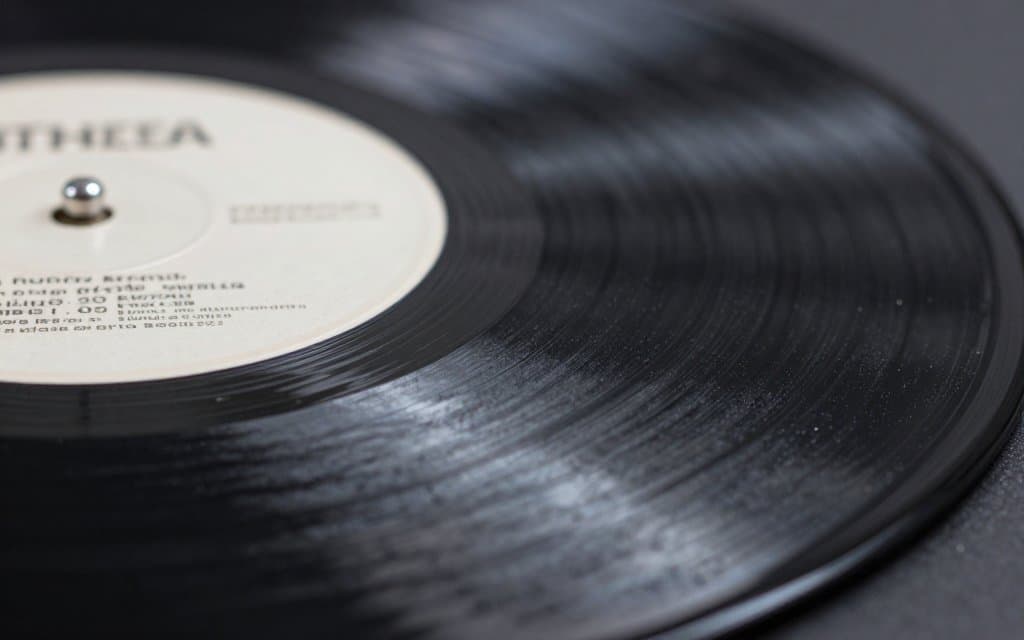
The dead wax, also called the runout groove, is the smooth band between the last song and the center label. Every record carries codes stamped or hand etched there, and collectors treat that area as a record's fingerprint. Those matrix numbers point to the pressing plant, the lacquer that was cut, and whether your copy is an original or a later run.
You cannot read most of it under flat overhead light. Hold a flashlight low to the surface and rotate the record slowly, so the shallow etchings catch the light at an angle. A phone flashlight works fine. Write down every character on both sides, exactly as it appears.
- •Tilt the record under a raking light source
- •Copy both sides of the runout, character for character
- •Note stamped machine text versus hand etching
- •Photograph the deadwax with your phone flashlight
Dead wax always overrides the sleeve. If the jacket and the runout codes disagree, believe the runout every time.
How to read the matrix numbers vinyl collectors trust
First pressings usually carry the lowest numbers in the sequence. Codes ending in -1, or reading A1 and B1, or 1A and 1B, point to an early cut. Letters like RE or RP mean revised or repressed, which signals a later lacquer and a cheaper copy.
- •Codes ending in -1, A1 or 1A on both sides
- •No RE or RP stamp anywhere in the runout
- •A deep groove ring under a pre-1965 label
- •Cutting initials like RL, BG or PORKY
- •A matrix that matches a first press on Discogs
What a deep groove means
Many records pressed before 1965 have a raised circular ring beneath the label, left by the older stampers. Collectors call it a deep groove, and on early jazz and rock titles it often lines up with the first pressing. On a Blue Note jazz record, a deep groove label can be the difference between a $30 copy and a several hundred dollar one.
Mastering initials that add money
Some cutting engineers built a following, and their initials in the dead wax add a premium. RL is Robert Ludwig, PORKY or A PORKY PRIME CUT is George Peckham, and BG is Bernie Grundman. A Led Zeppelin II pressing with RL in the runout can sell for many times what a standard copy brings.
What is a Matrix number on the dead wax/runout groove of a vinyl record?
The most valuable vinyl records and what they sold for
Here is where it gets fun. A genuine first pressing can be worth 10 to 20 times a later copy, and the rarest titles leave that math behind entirely. These are the valuable vinyl records that make headlines, and almost all of them are verified by their pressing details.
A sealed Butcher Cover copy of the Beatles' Yesterday and Today sold for $125,000 in 2016. The same album with a standard cover sells for a few dollars.
| Record | Detail | Sold for |
|---|---|---|
| Beatles White Album | No. 0000001 | $790,000 |
| Elvis My Happiness | 1953 acetate | $300,000 |
| Butcher Cover | Sealed 1966 | $125,000 |
| Frank Wilson 45 | 1965 soul | $37,000 |
| Velvet Underground | 1966 acetate | $25,200 |
| Sex Pistols A&M | 1977 single | $15,882 |
You will not find a $790,000 record at Goodwill. What you can find are the rare vinyl records that trade in the thousands, the withdrawn and promo copies. Bob Dylan's original Freewheelin' with four withdrawn tracks has reached around $35,000, and the Rolling Stones' Street Fighting Man picture sleeve has topped $17,000.
Rare 45 records and promos punch above their size
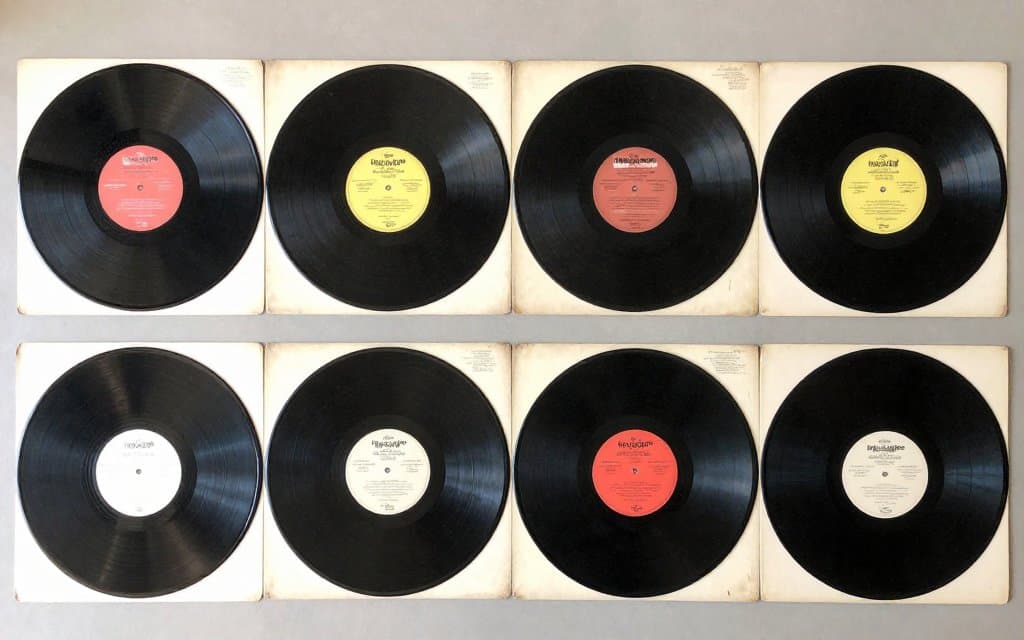
Singles get overlooked because they are small and common, but rare 45 records include some of the biggest prices in the hobby. Northern soul collectors chase them hard. Frank Wilson's 1965 single Do I Love You has sold for more than $37,000, with fewer than a handful of copies known to exist.
Promo and white label copies were never sold in stores, so far fewer survive. On the right title, that scarcity turns a common song into a rare record.
Condition still decides your resale price
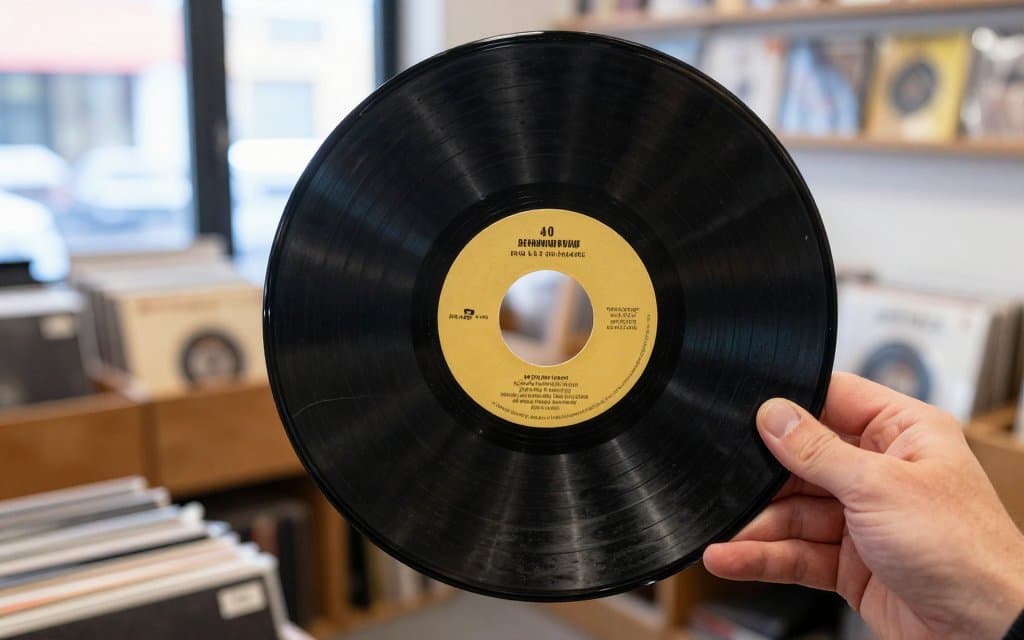
A first pressing in rough shape still loses to a clean reissue for most buyers. Sellers grade records on the Goldmine scale, and the jump from Very Good to Near Mint can double or triple the price. Two copies of the same pressing can both be records worth money yet sell hundreds of dollars apart.
- •Near Mint copies pull the very top prices
- •Very Good Plus still sells to most buyers
- •Deep scratches can cut the value in half
- •The original inner sleeve and inserts add value
Once you have read the runout, match it against Discogs, which catalogs pressings by their exact matrix and label details. Compare the sold history there and on eBay to see what your version actually brings. If the codes do not match the first press entry, you have a later copy, whatever the cover says.
Turn record collecting into a resale plan
Here is the money part. Buy common records for a dollar or two, and the wins come from the occasional first pressing that brings 10 to 20 times that. The same eye pays off across other categories, whether you are checking a vintage stereo receiver, a run of first edition books, or the most valuable Hot Wheels. It is all about spotting the detail everyone else skips.
A fast workflow beats a perfect one when you are standing in a shop. Snap a photo, read the dead wax, and check the matrix before you commit. The Thrift Scanner app identifies a record and pulls real sold prices in seconds, so you can price a stack fast at thrifting.app and leave the reissues behind.
Common questions about valuable records
How much are my records worth?
It depends almost entirely on the pressing and the condition. Common titles run a few dollars, clean first pressings of desirable albums reach the tens or low hundreds, and verified rarities go far past that. Read the dead wax, then check the sold history on Discogs for your exact matrix.
How can I tell if a vinyl record is a first pressing?
Start with the runout codes. A first pressing vinyl copy usually shows the lowest numbers, no RE or RP stamp, and a matrix that matches the earliest entry on Discogs. A deep groove under a pre-1965 label is another strong sign.
Do scratched records still sell?
Light surface marks that do not affect play still sell, usually at a discount. Deep scratches you can feel with a fingernail hurt value the most, and on common titles they can make a record hard to move at all. On a genuine rarity, buyers will still take a rough copy at a lower grade.
Ready to stop guessing and start profiting from record collecting? Thrift Scanner identifies vinyl records and shows real market value from millions of actual sold listings, so you never overpay or leave money on the table. Snap a photo, read the result, and buy smart. Get the app here: iOS or Android.