


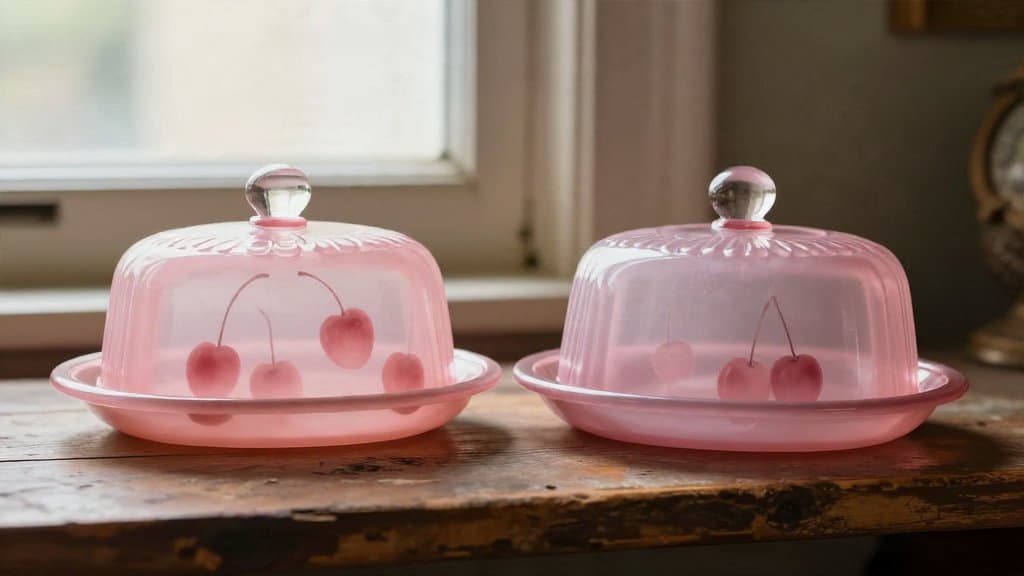
A pink butter dish with flat, cartoonish cherries on the lid can look like a 1930s collector piece and turn out to be a 1970s copy. That's the quiet problem with depression glass value: the patterns people pay the most for are the same ones factories reissued, and a reproduction sells like ordinary kitchenware.
The original glass was made from 1929 to 1939, mostly in the Ohio River Valley, by more than 20 companies turning out over 100 patterns. It went out free in Quaker Oats boxes and at movie theaters, which is why so much of it survives. Collectors started chasing it in the 1960s, and the copies weren't far behind. If you've read our pieces on Dugan carnival glass reissues or Fire-King jadeite marks, the pattern will feel familiar.
Why reproductions hit depression glass value so hard
Original prices split sharply by form. A pink Adam covered butter dish by Jeannette is listed at $1,250 in LoveToKnow's roundup of rare patterns, while most Adam pieces sit around $20. A pink American Sweetheart water pitcher is listed at $895, and six cobalt Royal Lace tumblers at $285.
Those big numbers are exactly what made these patterns worth copying. Pay vintage money for a reissue and you can't get it back, because serious buyers check the same tells you're about to learn. Sell one by mistake and you'll likely see a return request.
Rule of thumb: the more an original is worth, the more likely someone made a copy of it. Butter dishes, pitchers and tumblers in popular pink patterns deserve the hardest look.
Which patterns were reissued, and how they were marked
The National Depression Glass Association's 1978 review of reproductions and reissues is still one of the clearest lists. Some factories marked their reissues honestly. Others didn't bother.
- •Federal reissued Madrid as Recollection in 1976 and marked each piece 76
- •Jeannette's 1975 Baltimore Pear reissue has a small H added to the mold
- •A child's Cherry Blossom butter dish appeared in 1973, never made originally
- •Indiana Glass made Sweet Pear pitchers in dark pink and amethyst in 1976
- •Indiana's 1969 red Sandwich pieces came from old Duncan and Miller molds
The Cherry Blossom butter dish problem
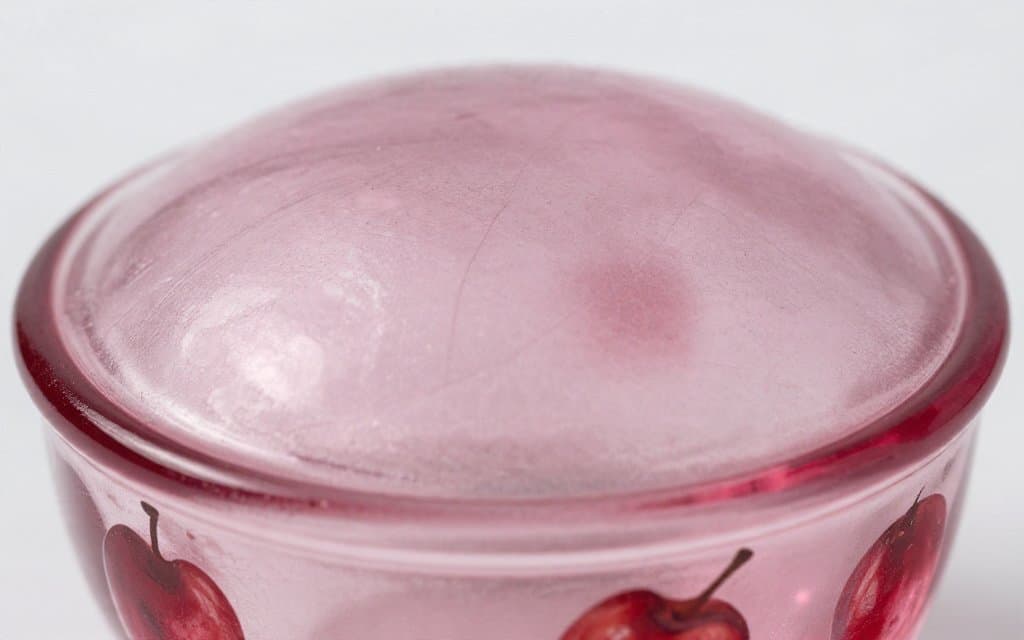
Jeannette made Cherry Blossom from 1930 to 1939. Pink ran the whole time, but green was dropped after 1935, and pink is the color that got copied hardest. One dealer's side-by-side comparison of an original and a repro butter dish shows the giveaways clearly.
- •Real lids usually show three mold lines at the base; copies show one
- •Copied cherries are flat circles, while real ones carry shading
- •Repro flowers look like a child's drawing instead of filled-in petals
- •Real base patterns run to the corner; copies stop about 1/4 inch short
How to identify depression glass in your hand
You don't need a reference book in the aisle. Four quick checks catch most copies, and none of them takes more than a minute. If you're still unsure, a quick photo with a scan on thrifting.app pulls up sold comparables before you commit.
Weight and feel
Reproductions tend to run heavier. The Cherry Blossom copy in that comparison was noticeably heavy, felt oily, and had a rougher bottom than old glass usually has. Originals were pressed cheaply and fast, so they often feel lighter than you'd expect.
Color that's slightly off
Copies often miss the old shades. The same dealer describes repros as too pale a pink, too orange a pink, or too deep a green. Hold the piece next to one you know is right before trusting your memory.
The bottom of the piece
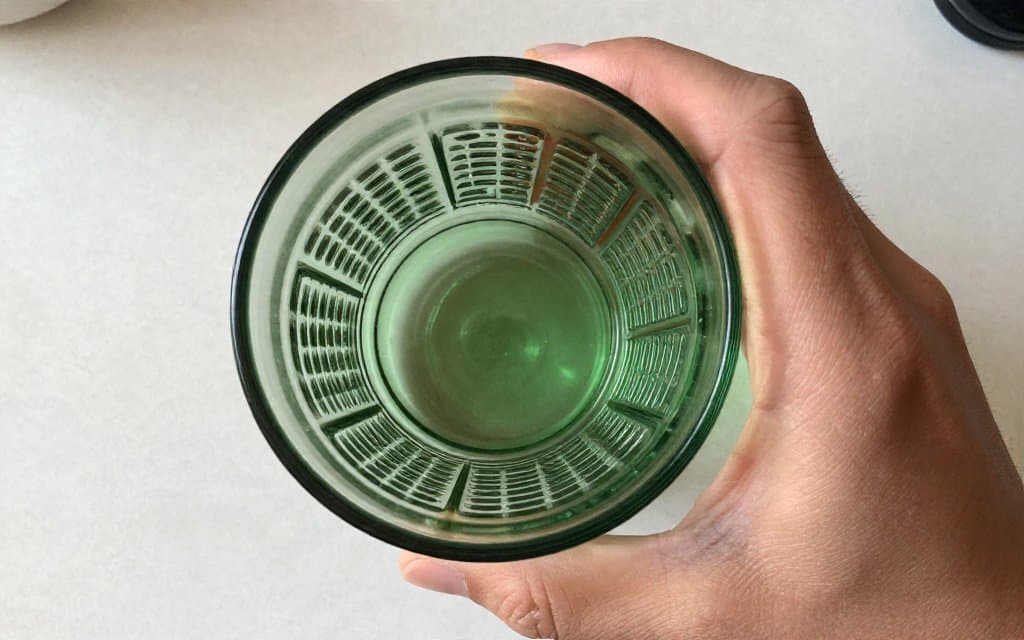
Flip it over. With Royal Lace tumblers, LoveToKnow notes the real ones carry the pattern on the bottom while fakes are blank. It's a two-second check that saves a $285 mistake on a cobalt set.
Numbers and letters that don't belong
Look for marks a 1930s mold never had. A 76 on a Madrid piece means Recollection, and an H on Baltimore Pear marks the 1975 reissue. Neither is junk, but both sell as later glass at later-glass prices.
Depression glass worth by pattern and piece
Most originals are modest earners. The table below uses guide prices published by TX Antique Mall and LoveToKnow, so treat them as a starting point and check sold listings before you price anything.
| Pattern | Piece | Guide Price |
|---|---|---|
| Cube (Cubist), Jeannette | Pink butter dish, 1929 to 1933 | $40 with lid, about $9 base alone |
| Iris, Jeannette | Iridescent butter dish | $25 to $50 |
| Block Optic, Hocking | Pitcher, 1929 to 1933 | $30 to $100 |
| Colonial Block, Hazel-Atlas | Footed tumbler | $75 book, $10 to $30 on marketplaces |
| Royal Lace, Hazel-Atlas | Six cobalt tumblers | $285 |
| Adam, Jeannette | Pink covered butter dish | $1,250 |
That spread tells the whole story. A cube depression glass butter dish is a $40 item with its lid and about $9 without it, so the lid carries most of the money. Always check that a lid and base actually belong together.
Jeannette Iris Herringbone glass shows the same split. TX Antique Mall dates Iris to 1928 to 1932 and puts an iridescent butter dish at $25 to $50, with the dish alone around $10, while a single Iris wine stem goes for over $25. Serving pieces and stemware are where the money sits.
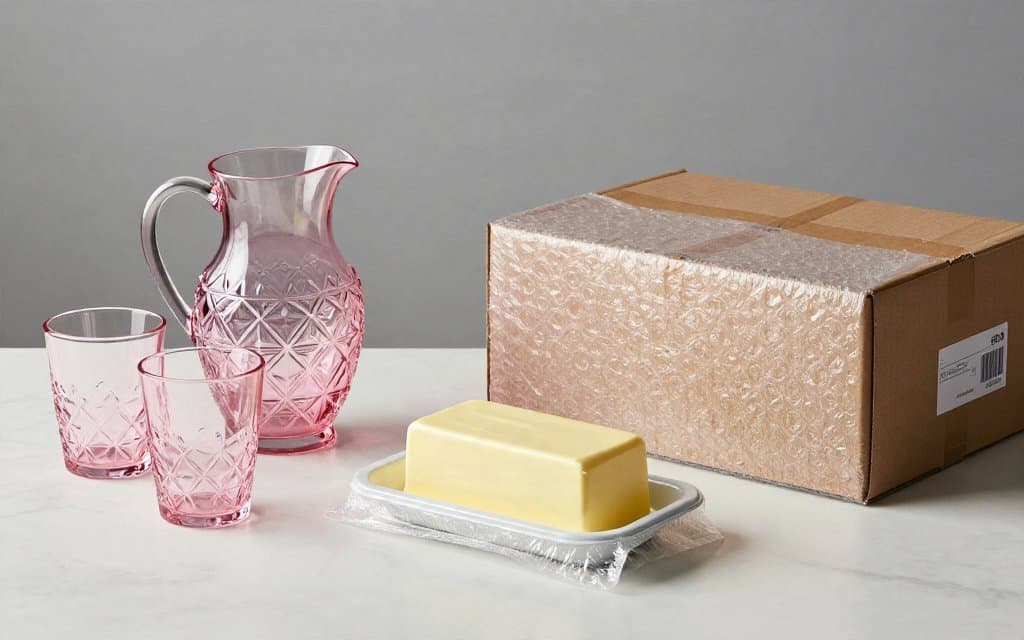
Run the maths before you fill a cart. On a $20 sale, fees and padded shipping for fragile glass take a real bite, which our eBay fees breakdown walks through. These are the finds that justify the bubble wrap.
- •Covered butter dishes with the original, undamaged lid
- •Pitchers and full tumbler sets in a single pattern
- •Cobalt and ultramarine pieces from Royal Lace or Doric and Pansy
- •Matched sugar and creamer sets, like green Parrot at about $280
Does glass that glows green prove it's old?
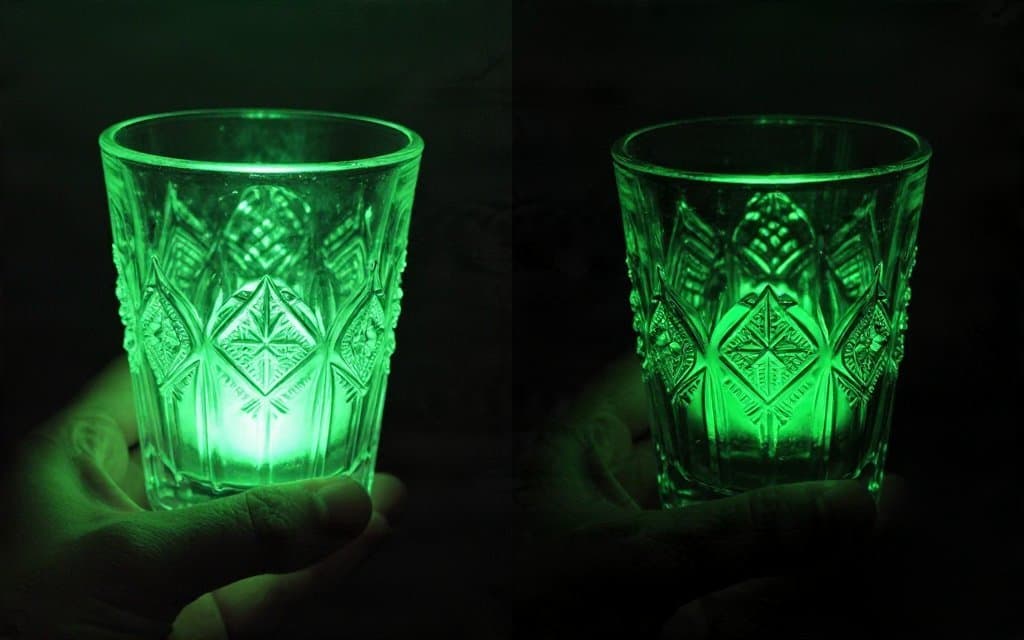
Not on its own. Several 1930s makers, including Hocking, Hazel-Atlas and Federal, made green glass with uranium in it, and the Colonial Block tumbler in the table glows under a blacklight. But green colored with other minerals won't react, and glowing glass was made in plenty of other decades.
The Oak Ridge Associated Universities health physics museum says a blacklight in a dark room is the most reliable home check for uranium glass, yet notes some of it doesn't fluoresce at all. Vaseline glass often runs about 2% uranium by weight. Treat a glow as one clue about age, never as proof.
ORAU measured a uranium glass tumbler at about 0.0009 mrem per hour at one foot, against normal background of about 0.01 mrem per hour.
Is glowing green glass safe to own?
For display, yes. Measured leaching into water averaged 0.052 micrograms per liter, and ORAU's highest dose estimate, about 4 mrem a year, applied to the people shipping the glass. If it still bothers you, keep glowing pieces on a shelf and serve acidic food on something else.
Questions thrifters ask about pink and green pieces
Is pink depression glass more valuable than green?
It depends on the pattern. In Cameo, pink is the most valuable color, and a pink sandwich plate is listed at $100. Pink is also the color copied most, so it gets the most scrutiny from buyers.
What is oyster and pearl depression glass worth?
Usually not much. Collectors date Hocking's Oyster and Pearl to 1938 to 1940, and so much pink is around that prices stay soft. It's also confused with lookalikes such as Inspiration, so confirm the pattern before you list.
Are plates worth picking up?
Mostly to finish a set. Plates and cups are the cheapest forms in nearly every pattern, so buy them for a few dollars or skip them. Spend your budget on lids, pitchers and rare colors instead.
Ready to stop guessing at the glass shelf? Download Thrift Scanner, snap a photo of that pink butter dish, and see real sold prices before you pay. Get the app here: iOS or Android.