


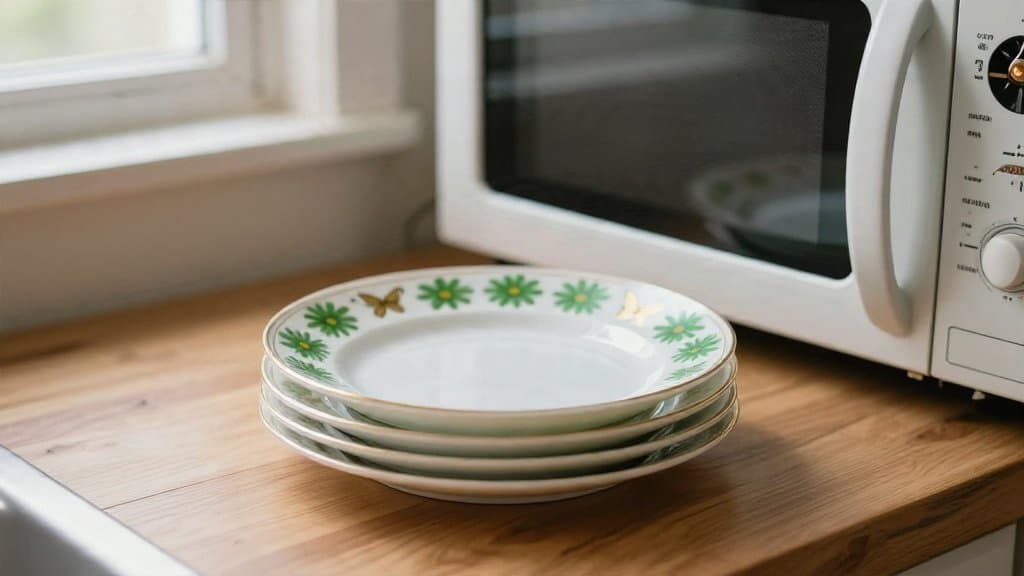
The glass is fine in the microwave. The paint is the problem. If you're asking is Corelle microwave safe about a plate with a printed rim from the 1970s or 80s, Corelle itself has told owners to treat those decorated pieces as display items rather than everyday dinnerware.
That changes how you buy and sell old Corelle dishes at the thrift store. A boxed set can still bring $155 on eBay, but more buyers now ask about lead before they ask about chips. Below is what the company actually says, which vintage patterns tested high, and what each one realistically sells for.
Is Corelle microwave safe, or only the new stuff?
Corelle's official FAQ describes its Vitrelle body as tempered glass laminated into three layers, with clear outer layers bonded around a white or beige core. It calls that glass microwave safe when you follow the instructions that came with the product, and it recommends a dry potholder because heated glass gets hot.
Notice what that answer covers. It's about the glass, not the printed decoration fired onto it decades ago. The same FAQ page also says its MilkGlass line is not for use in any type of oven, so don't assume every piece with the Corelle name behaves the same.
Is Corelle oven safe too?
Only within limits. Vitrelle pieces can serve and reheat food in a preheated conventional oven up to 350°F (176°C), and empty plates should only be warmed in an oven that's already hot. Corelle's stoneware line goes higher, to 400°F, while MilkGlass stays out of the oven entirely.
- •Vitrelle glass: microwave safe per the product instructions
- •Vitrelle in the oven: preheated only, 350°F (176°C) maximum
- •Corelle stoneware: preheated oven up to 400°F
- •MilkGlass: microwave and dishwasher yes, any oven no
- •Always lift hot glass with a dry potholder, never a damp one
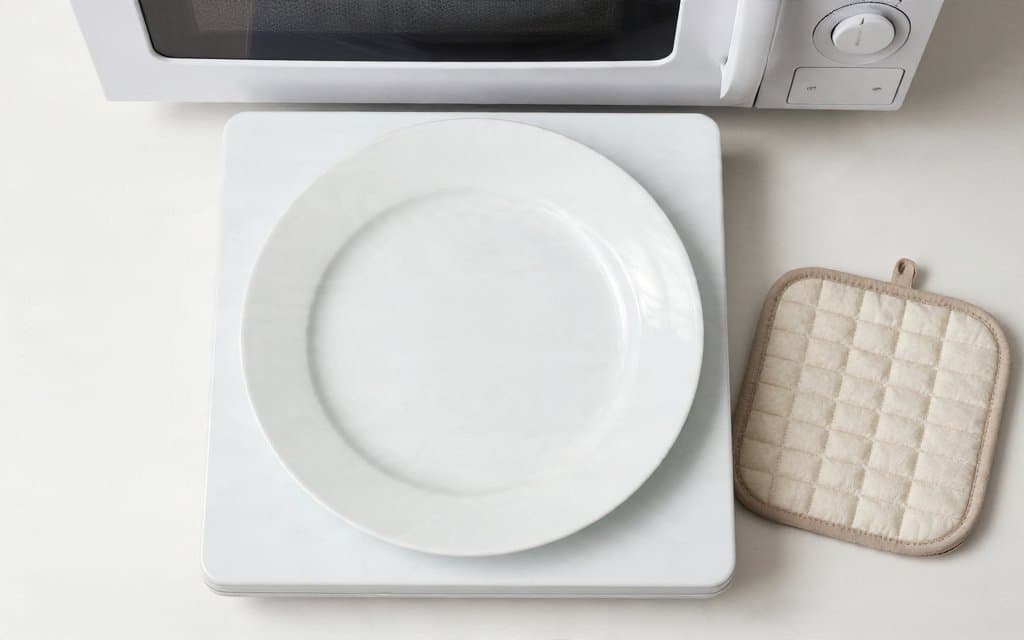
Lead in Corelle dishes comes from the printed pattern
In a December 2019 email published by lead-testing advocate Tamara Rubin, Corelle recommended that decorated pieces made before 2005 be used as decorative pieces. Its customer service also wrote that before the 1990s, virtually all glass and ceramic ware made anywhere contained lead in decorating fluxes and glazes, and that its own products have been lead-free since the mid-2000s.
The company's public line is softer. Corelle says its process always encapsulated the decoration in glass at very high temperatures, and parent company Instant Brands says the vintage patterns it tested, going back to 1978, comply with current FDA lead-safety rules. Both statements are on the record, and they don't fully agree.
Independent numbers are where it gets uncomfortable. Rubin's XRF testing found 18,700 ppm lead on a Butterfly Gold plate's pattern, plus 158 ppm cadmium. For comparison, she treats anything over 90 ppm in a coating on a children's item as unsafe. XRF measures what's in the decoration, not how much leaches into food, which is exactly the gap the two sides argue over.
| Pattern | Lead (ppm) | Surface tested |
|---|---|---|
| Butterfly Gold | 18,700 | Printed rim pattern |
| Old Town Blue | 18,200 | Printed pattern |
| Meadow | 16,700 | Food surface decoration |
| Spring Blossom Green | 15,200 | Printed rim pattern |
| Plain white or sand | Not detected | Undecorated glass |
Corelle's microwave guidance is about the Vitrelle glass. Its lead advice is about the paint on top. Answer them separately and the confusing headlines start to make sense.
Which vintage Corelle dishes are lower risk?
Rubin reports that plain white and plain sand or cream Corelle, old and new, tested negative for lead. The concern sits with printed patterns, and it rises once a design is scratched or worn, since chipped decoration is where people worry about transfer into food. If you sell vintage Fiestaware you already know this pattern: collectors still buy, they just buy for the shelf.
Are Your Vintage Corelle Dishes Safe? What You Need to Know!
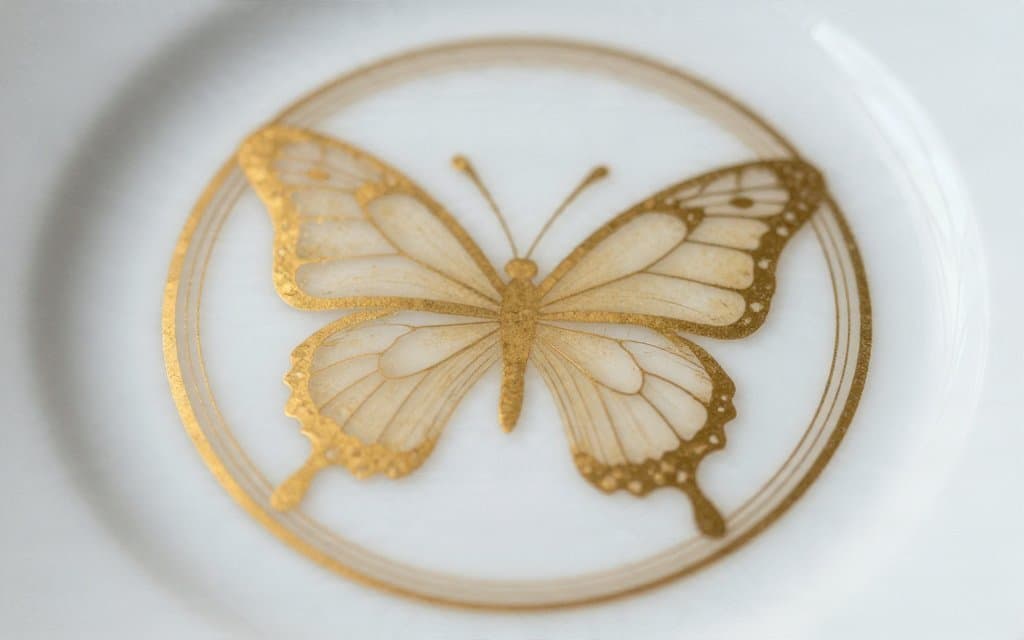
How to identify vintage Corelle patterns on the shelf
Flip the plate first. Genuine pieces carry a Corelle or Corning backstamp, since the line started under Corning Glass Works before the brand changed hands. The glass is light for its size, very hard to crack, and gives a bright ring like fine china when you tap the rim with a fingertip.
Most old Corelle patterns are a printed ring that runs around the edge of plates and cups, built from simple florals or geometric shapes. Plates from the 1970s can look slightly translucent against a window. If you already sort vintage Corning Ware patterns, the same habit of checking the mark before the design applies here.
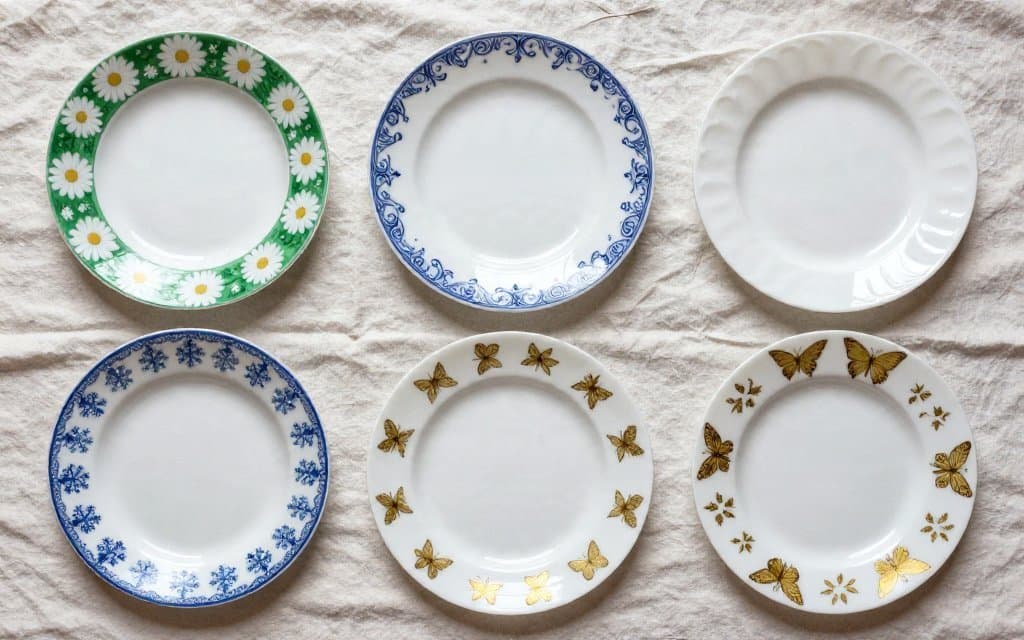
The four original patterns collectors still want
- •Spring Blossom Green, the green daisy rim nicknamed Crazy Daisy
- •Corelle Snowflake Blue, part of the original four-pattern lineup
- •Corelle Old Town Blue, tested at 18,200 ppm lead on its pattern
- •Corelle Butterfly Gold, the most coveted of the vintage line
- •Blue Heather, a centered print made for only one year
Spring Blossom Corelle and Butterfly Gold are the two priced highest in the sales figures below, and both appear in the lead readings above. Blue Heather breaks the usual layout by printing in the middle of the plate instead of the rim, which makes it easy to spot and hard to find.
What vintage Corelle dinnerware actually sells for
Set expectations low and you won't be disappointed. Tasting Table puts most individual pieces at $20 to $100 and full sets around $60, with Spring Blossom Green and Butterfly Gold sets near $80 to $90. Chowhound's look at eBay sales found a 19-piece set at about $80 and the same set with its original boxes at up to $155.
That box is the whole story in money terms. Packaging nearly doubles the price of an otherwise identical set, and secondhand Butterfly Gold has reached around $170. Glass dinnerware is heavy and fragile to ship, so run your numbers after shipping and eBay fees, not before.
Loose set, about $80. Same set in original boxes, up to $155. In vintage Corelle, the cardboard is often worth more than any single plate.
- •Typical single piece: $20 to $100 depending on pattern
- •Typical full vintage set in good shape: around $60
- •Spring Blossom Green or Butterfly Gold set: $80 to $90
- •19-piece set with original boxes: up to $155
- •Secondhand Corelle Butterfly Gold: around $170
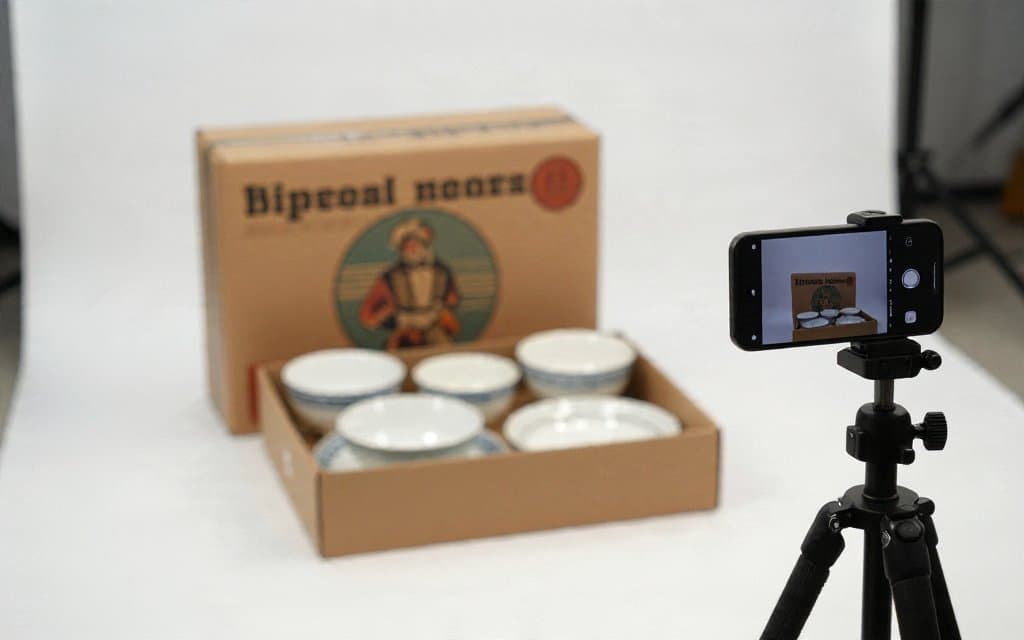
Selling old Corelle patterns without overpromising
Don't write "food safe" on a decorated pre-2005 listing. You can't verify it, and Corelle's own email says otherwise. Describe the pattern, the backstamp, the piece count and any wear, and let buyers who collect for display or nostalgia decide for themselves.
Does the lead question hurt resale value?
Less than you'd expect, in our view. The buyers paying $155 for a boxed set are mostly collectors rebuilding a childhood kitchen, not shoppers hunting for weeknight plates. Plain white pieces are the exception: they're cheap, but they're also the easiest to sell to people who want to eat off them.
- •Photograph the backstamp and the rim pattern in sharp close-up
- •Count and list every piece, saucers and mugs included
- •Show scratches in the decoration rather than hiding them
- •Keep original boxes, sleeves and inserts with the set
- •Describe decorated pieces as collectible or display only
Not sure whether a stack is a common pattern or a one-year print? Scan it with Thrift Scanner before you pay, then compare against sold prices. You can also browse more kitchenware guides at thrifting.app, including our note on clear vintage Pyrex.
Quick answers about vintage Corelle dishes
Is Corelle microwave safe if it's plain white?
Corelle says its Vitrelle glass is microwave safe when used as directed, and Rubin's testing found no lead in plain white or sand colored pieces. That makes undecorated Corelle the safest choice if you plan to heat food on it.
Does Corelle Snowflake Blue have lead?
It's a decorated pattern from before 2005, so it falls under Corelle's recommendation to use those pieces decoratively. We didn't find a published reading specific to Snowflake Blue in our research, so treat it like the other printed patterns until you see one.
Is Corelle Butterfly Gold worth anything?
Yes, modestly. Sets have sold around $80 to $90, and Chowhound reports secondhand Butterfly Gold reaching about $170. It's also the pattern with the highest published lead reading, so sell it as a collectible.
Ready to stop guessing and start profiting? Download Thrift Scanner, snap a photo of that stack of vintage Corelle, and get real sold-price data before you pay a cent. Get the app here: iOS or Android.