


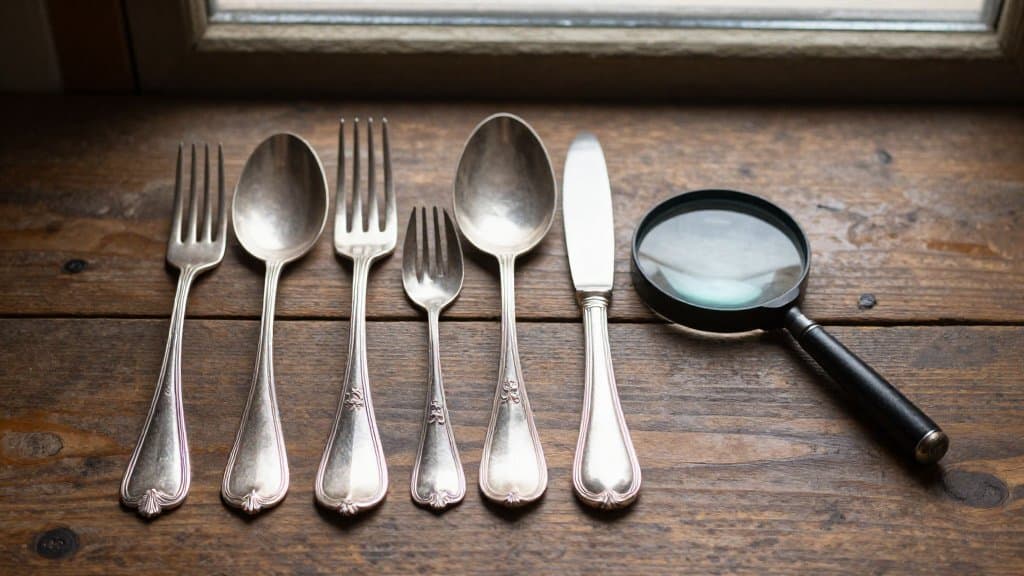
Most shoppers walk right past the silverware bin at the thrift store. That habit leaves money on the table. Learning to read sterling silver markings is one of the quickest ways to spot a two dollar spoon that carries real melt value while the plated pieces beside it are worth almost nothing. The stamps hidden on the back of a fork or the rim of a bowl tell the whole story.
Silver has run hot. It traded above 84 dollars per troy ounce in 2026, up more than 150 percent from a year earlier, according to 2026 resale-value data. At those levels the price of sterling silverware at the scrap counter can beat what most bargain hunters pay at the register. Here is exactly how to tell if silver is real, decode the marks, and work the donation shelf like a pro.
What Sterling Silver Markings Actually Mean
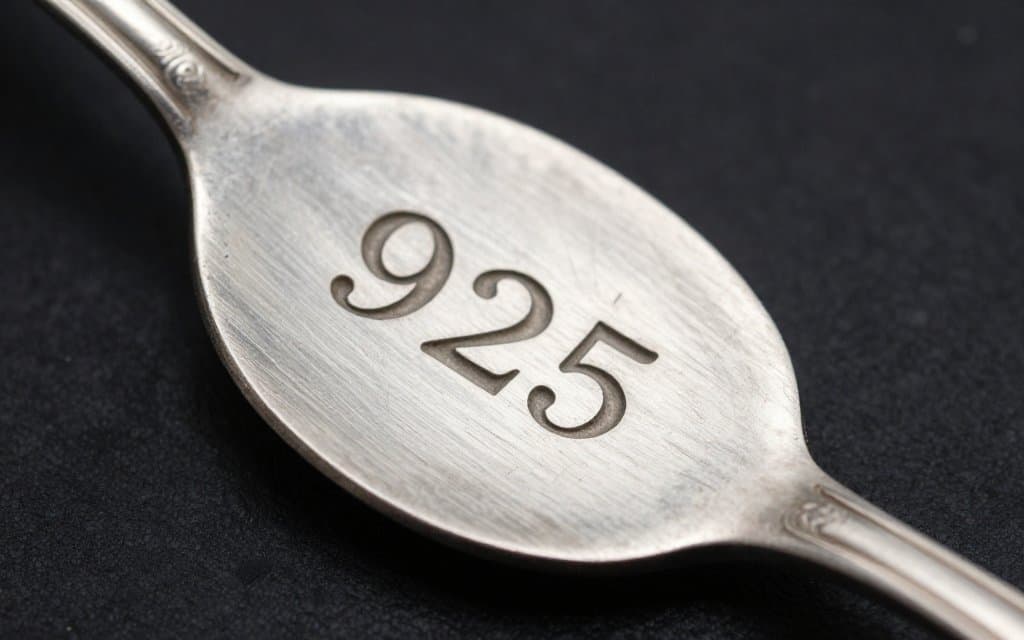
A hallmark is just a maker's promise about purity. On solid pieces you will see 925 or the word Sterling, both of which mean the metal is 92.5 percent pure silver. The 925 silver meaning traces back to an old rule: pure silver is too soft for daily use, so smiths mix in 7.5 percent copper for strength. That alloy became the world standard for flatware and jewelry.
Older and imported pieces speak a slightly different language. American coin silver reads 900 for 90 percent purity, the same standard used in United States coinage before 1965. European serving pieces often carry 800 or 835, while British silver adds tiny pictorial stamps next to the number. The same mark-reading habit pays off across categories, the way marks multiply the value of vintage compacts.
Real stamps are sharp and clean. Dim, fuzzy, or smeared marks often signal a plated copy, so a cheap jeweler's loupe earns its keep fast. Reading these stamps is the core of how to identify silver on a crowded shelf.
- •925 or Sterling both mean solid 92.5% silver
- •Lion passant certifies English sterling silver
- •800 or 835 points to European silver
- •A maker's name can add collector premium
- •Fuzzy or smeared stamps often mean plated
| Mark | Purity | Meaning |
|---|---|---|
| 999 | 99.9% | Fine silver |
| 958 | 95.8% | Britannia standard |
| 925 | 92.5% | Sterling standard |
| 900 | 90% | US coin silver |
| 800 | 80% | European antique |
| EPNS | 0% | Plated, no value |
Sterling Silver Hallmarks From England
British sterling silver hallmarks are a dated code. A walking lion, called the lion passant, certifies English sterling, while a separate town mark and a letter for the year sit beside it. That lion is the anchor mark British buyers look for first, and it is worth memorizing before you dig through a jewelry case.
A single 925 stamp can separate a fifty cent spoon from a piece with real melt value. The mark is the whole game.
How to Tell If Silver Is Real Without a Lab
No stamp does not always mean no silver, and a stamp alone can be faked, so smart resellers back up the mark with a physical test or two. The good news is that silver has properties no plated base metal can copy. You can run every one of these checks quietly in a thrift aisle.
- •Magnet test: real silver never sticks
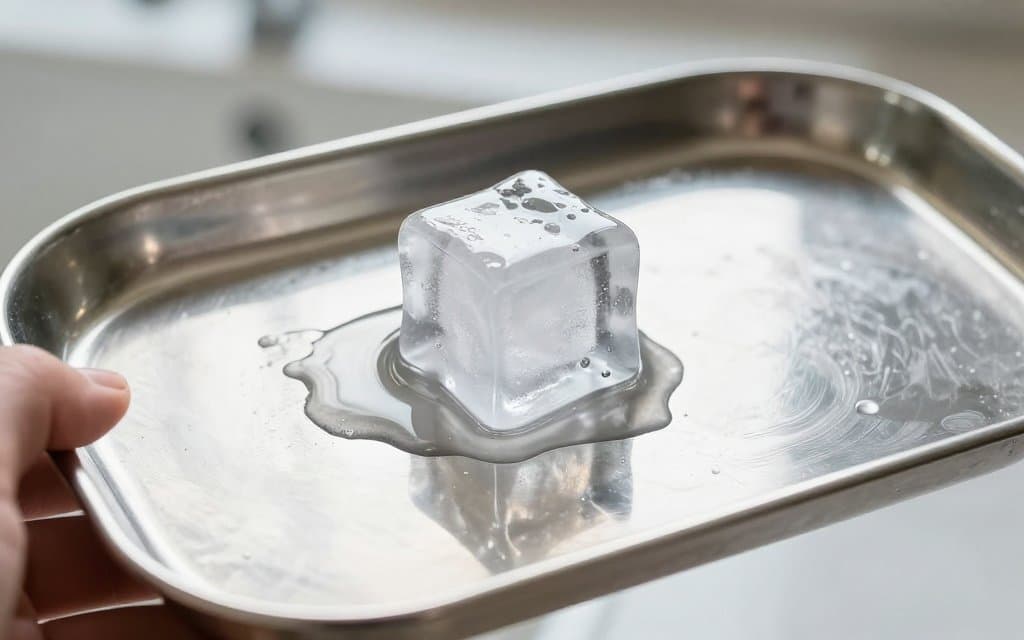
- •Ice test: silver melts an ice cube fastest
- •Tarnish test: silver darkens, plate stays bright
- •Ring test: solid silver rings with a clear tone
If it sticks to a magnet, it is not solid silver. Silver is not magnetic, so any pull from a magnet is an instant fail.
The ice test is the crowd favorite because silver has the highest thermal conductivity of any metal, around 429 watts per meter kelvin. Set an ice cube on a flat silver tray and it melts noticeably faster than on steel. Pair that with the magnet check and you can answer how to tell if silver is real in under a minute.
Silver Plate vs Sterling: Marks With Zero Value
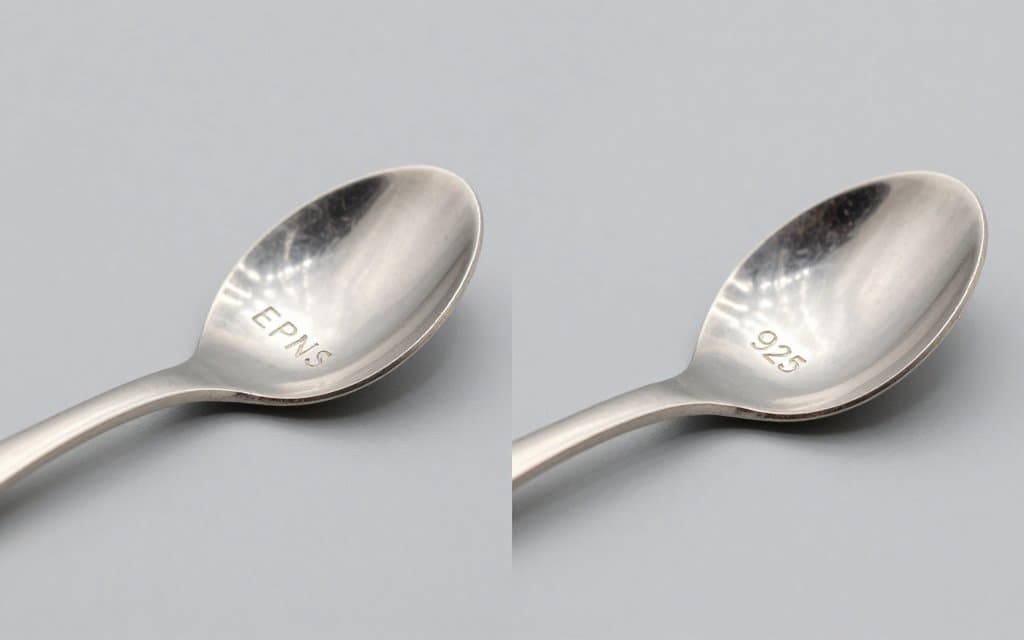
The silver plate vs sterling question is where beginners lose money. Plated pieces wear a thin skin of silver over brass or nickel and carry almost no melt value. The giveaway is in the letters, and once you know them you will never overpay for a shiny tray again.
- •EPNS means electroplated nickel silver
- •EPBM means plated Britannia base metal
- •A1 or silver on copper means plated
- •Silverplate spelled out means no melt value
Weighted sterling is the other trap. Candlesticks and some bowls stamped sterling can be filled with cement or pitch, so the silver skin is thin and the scrap payout is small. Always weigh the piece against its size before you assume a jackpot. The same careful eye that reads batch codes on perfume bottles keeps you from overpaying here.
The Price of Sterling Silverware Today
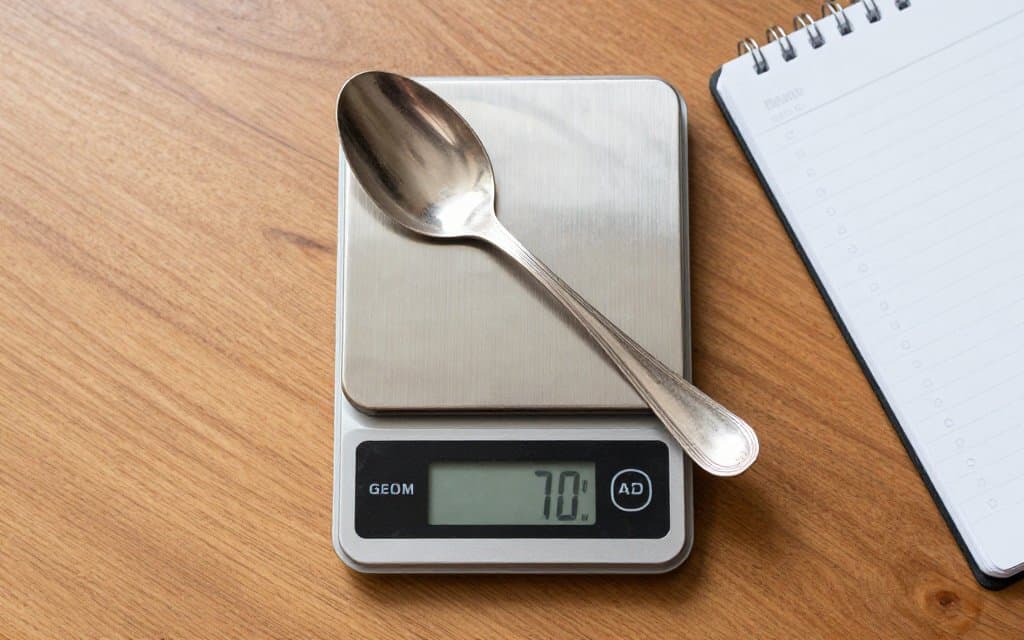
Once a piece passes as solid, the math is simple. Melt value equals weight in troy ounces times 0.925 times the current spot price. That 0.925 factor is the sterling silverware value per ounce driver, since only 92.5 percent of the weight is actual silver.
| Spot Price | Sterling Rate | Melt Value |
|---|---|---|
| $62.51/oz | x 0.925 | $57.82/oz |
| $73.30/oz | x 0.925 | $67.80/oz |
| $84.00/oz | x 0.925 | $77.70/oz |
Spot has swung wildly. Silver futures closed near 62.51 dollars in late June 2026 and touched above 84 dollars at the year's high, so the same fork can be worth ten dollars more from one month to the next. Dealers pay up to 90 percent of melt value for clean sterling flatware, while pawn shops often offer just 20 to 50 percent.
For a full set the numbers add up quickly. A 32 piece sterling flatware set commonly brings 800 to 1500 dollars, and that is before any collector premium. Knowing the sterling silver flatware value before you buy is the difference between a guess and a plan. You can scan any find for live resale comps before it leaves the aisle.
How to Identify Silver by Weight
Weight is a fast sanity check on any mark. Solid sterling feels dense and heavy for its size, and it rings with a clear bell tone when tapped, while plated brass sounds dull. Jewelers lean on this because it is one more way to identify silver when a stamp is worn smooth. A kitchen scale that reads grams turns weight into a melt estimate in seconds.
Brands and Patterns That Beat Melt Value
Some names sell far above scrap. Tiffany, Gorham, Wallace, and International Silver all carry collector demand, and Reed and Barton's Francis I pattern is a perennial favorite. A complete or rare pattern can double or triple the raw metal value of a set.
Condition and completeness drive that premium. Monogrammed pieces sell slower unless the initials are ornate and antique, and bent tines or deep scratches pull prices down. When you find a marked set from a known maker, the same authentication instinct behind spotting a real designer bag tells you to check every piece for matching stamps.
Sterling is 92.5 percent pure silver. The remaining 7.5 percent is copper for strength, which is the entire reason the 925 stamp exists.
Common Questions About Silver Marks
On jewelry what does 925 mean?
On jewelry the 925 stamp means the piece is sterling, or 92.5 percent pure silver mixed with 7.5 percent copper. It is the same standard used on flatware and it holds real melt value. A ring or chain stamped 925 is solid silver, not plated.
How can you tell if something is silver at a glance?
To settle how can you tell if something is silver quickly, look for a 925, Sterling, 900, or 800 stamp, then run a magnet over it. Real silver never sticks and tends to tarnish a warm gray, while plated pieces stay bright or flake at the edges. Two clues that agree give you a confident call.
Is silver plate ever worth reselling?
Silver plate has almost no melt value, but a few ornate or antique plated serving pieces still sell as decor for 15 to 40 dollars. Treat those as decor flips, not metal, and never pay a silver price for a plated tag. The scrap payout on plate is effectively zero.
Ready to stop guessing at the silverware bin and start profiting? Thrift Scanner reads marks, identifies the metal, and shows real market value from millions of sold listings so you never overpay for plate again. Snap a photo, get the number, and buy with confidence. Get the app here: iOS or Android.