


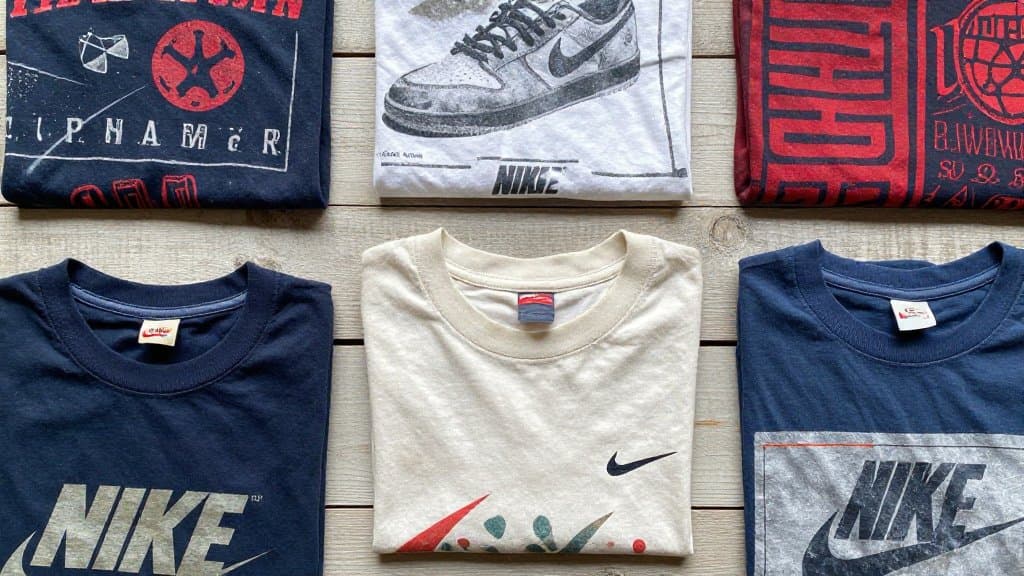
Flip a thrift store t-shirt inside out and check the bottom hem first. A single stitch, one clean row of thread along the sleeve cuffs and hem, is the fastest free clue that you are holding a pre-1990s piece worth real money. Resellers walk past racks of modern blanks every day and miss vintage t shirts hiding in plain sight.
A single stitch t shirt was standard from the 1970s through the early 1990s, before factories switched to a double row of stitching. That one detail can separate a $3 rack find from an $80 sale. Learn to read it, plus the tag and the print, and you can price a tee in seconds.
Why Single Stitch T Shirts Signal Real Vintage
Manufacturers hemmed sleeves and bottoms on single-needle machines into the early 1990s. Around 1994 to 1995 most factories moved to double stitching for speed and durability. When you see one thread line instead of two, the blank was almost certainly cut before the mid-1990s. That alone does not set the price, but it is where every appraisal begins.
One row of stitching at the hem points to a blank made before the mid-1990s. Two rows almost always means 1995 or later.
- •Flip the hem: one row of thread, not two
- •Feel for thin, soft, worn-in 100% cotton
- •Look for fading and cracked, aged screen print
- •Check the tag brand against its known era
- •Read any copyright year printed near the art
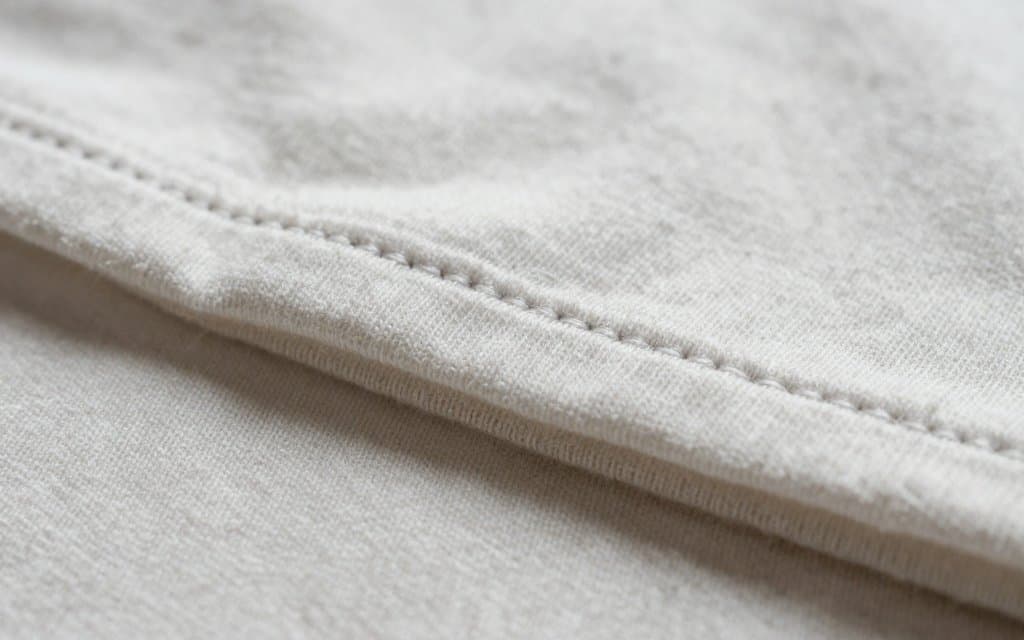
How to Tell If a Shirt Is Vintage by the Hem
How to tell if a shirt is vintage comes down to stacking clues, not trusting one. Start with the stitch, then the fabric. A 50/50 cotton and polyester blend was common from the 1970s into the 1990s, while soft all-cotton tees grew popular later. A paper-thin, worn-in hand usually means age, not abuse.
Print technique tells its own story. Iron-on and heat transfer graphics were popular in the 1970s and 1980s and tend to crack with age. A genuine screen print sinks into the fabric and shows fine cracking, while a modern reproduction looks too crisp and too bright. Hold the shirt up to the light and the difference is usually clear.
The 50/50 Blend and Fabric Feel
A tag reading 50% cotton and 50% polyester, or a Made in USA line, helps pin the decade. Blends dominated the 1980s, so a 50/50 label paired with a single stitch hem is a strong 1980s signal. A crunchy, plastic-heavy modern blend usually points the other way.
Reading Vintage Tshirt Tags by Decade
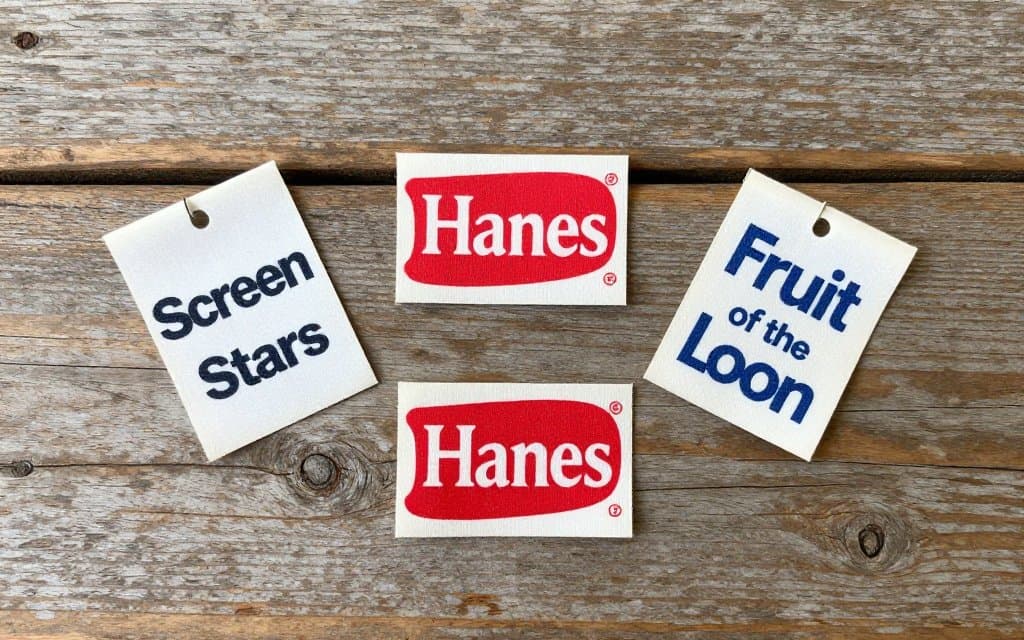
Vintage tshirt tags are a dating shortcut once you learn a few blank makers. Through the 1970s and 1980s you see Screen Stars, Hanes, Stedman, and Sportswear labels. By the 1990s the tags shift to Screen Stars Best, Fruit of the Loom, Jerzees, Oneita, and Giant. A copyright year on the tag or under the print usually means the shirt was made that year or a few years after.
Screen Stars, Hanes, and Blank Makers
- •1970s to 80s: Screen Stars, Hanes, Stedman
- •1990s: Fruit of the Loom, Jerzees, Oneita
- •Champion Reverse Weave holds value every decade
- •Made in USA label points to pre-2000s work
| Era | Hem Stitch | Blank Tag |
|---|---|---|
| 1975-1989 | Single row | Screen Stars |
| 1990-1994 | Single or double | Fruit of Loom |
| 1995-2005 | Double row | Jerzees |
Spotting Vintage Nike Shirt and Sports Finds
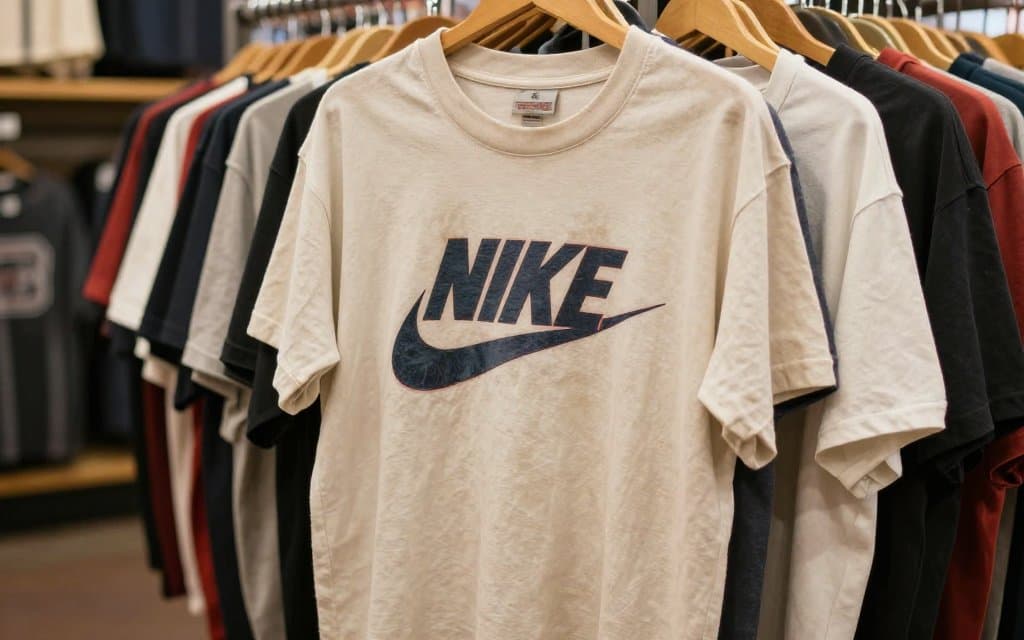
A vintage nike shirt with an aged blue tag and a worn hem can turn a $4 buy into a $60 to $120 sale. Sports and Americana graphics, from team logos to national parks, commonly resell in the $20 to $80 range. Big-brand sportswear such as Champion Reverse Weave stays in demand across every decade, so never leave those on the rack.
Blue Tag Nike and Team Logos
The blue Nike tag era and the earlier orange-box swoosh tags come before the white tags most shoppers know. Pair an old tag with a thin, faded body and honest wear, and you likely have a keeper worth listing.
What 80s Tees and Band Tour Shirts Sell For
This is where 80s tees earn their reputation, and the best 80s t shirts move fast. Band tour shirts from acts like Metallica, Nirvana, Led Zeppelin, and the Grateful Dead regularly sell for $200 to $500 as original tour issues, and rare dated concert shirts have topped $1,000. Even a common 1980s Harley-Davidson tee bought for about $3 can bring $50 to $150. Keep your cost of goods low with thrift coupon stacking.
Not every graphic tee is gold. Value climbs with rarity, a readable tour date, clean armpits, no cracks through the face of the print, and a size that sells, usually large or extra large. Reseller margins on vintage t shirts often run 200 to 1000 percent, but only when condition and demand line up.
| Tee Type | Buy Price | Resale |
|---|---|---|
| Original band tour tee | $3 | $200-500 |
| 1980s Harley-Davidson tee | $3 | $50-150 |
| Sports or Americana logo | $4 | $20-80 |
| Rare dated concert tee | $10 | $1000+ |
A single dated tour shirt can outsell a whole rack of modern blanks. Condition and rarity, not age alone, set the final price.
- •Original tour dates printed on the shirt
- •No cracks or holes across the print face
- •Men's large and XL sizes sell the fastest
- •Named bands, teams, or brands buyers want
Fakes, Reprints, and Costly Mistakes
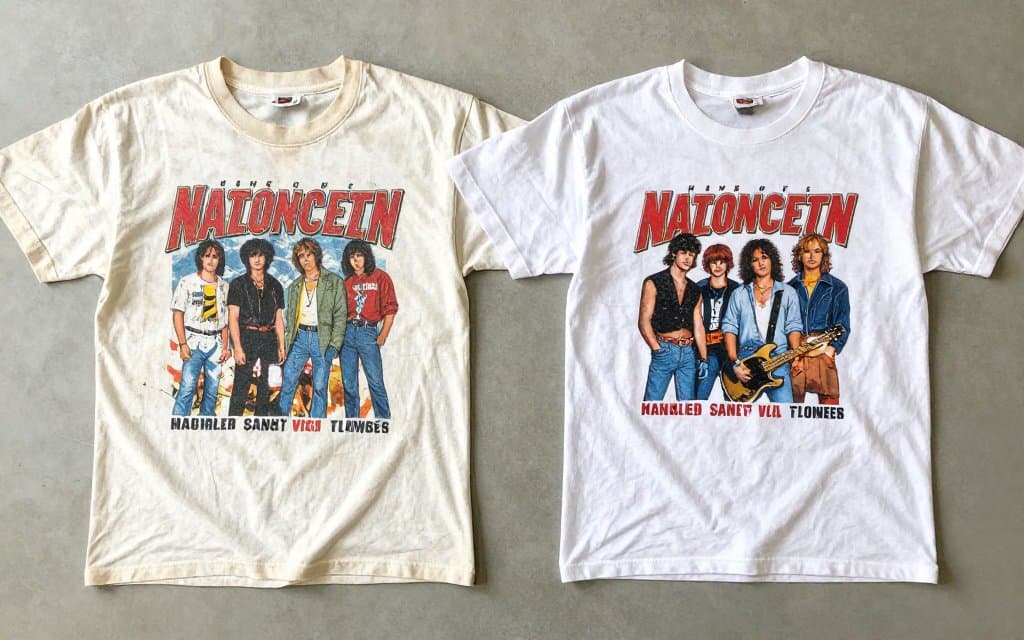
Reproductions copy the single stitch now, so never buy on the hem alone. Bootleg band t shirts flood the market, printed on fresh blanks with bright, un-cracked ink and stiff double-stitched collars. Genuine vintage band tees and vintage concert t shirts show honest fading, soft cotton, and print that cracks with age. Modern reprints often sell for under $30, so cross-check the tag era and the copyright before you pay a vintage price.
Reproductions now fake the stitch, so the tag era and the print feel are your real proof of age.
When a tag is missing or you are not sure, run the shirt through Thrift Scanner to identify the brand and pull real sold comps in seconds. It reads vintage graphic tees, sports blanks, and denim alike, so you price with data instead of a guess. Pair it with our vintage Levi's guide and designer authentication tips, and browse more sourcing guides on thrifting.app.
Vintage T Shirt Questions Answered
How can you tell if a shirt is vintage?
Stack the clues instead of trusting one. A one-row hem, a 50/50 or soft all-cotton feel, an era-correct blank tag like Screen Stars or Fruit of the Loom, and a screen print that cracks with age all point to real vintage. Confirm at least three of these before you pay a vintage price.
Are single stitch t shirts always valuable?
No. One row of stitching confirms age, not demand. A plain pocket tee from 1988 might sell for $15, while a rare single stitch t shirt with a wanted band or brand can pass $1,500. Graphic, name, condition, and size decide the number.
How much do vintage band tees sell for?
Original band tour shirts from major acts commonly sell for $200 to $500, and rare dated concert shirts have passed $1,000. Bootlegs and modern reprints sell for far less, often under $30, which is why tag and print checks matter so much.
Ready to stop guessing and start profiting from every rack? Snap a photo with Thrift Scanner, identify the brand and era, and see real market value before you buy. Never overpay or leave a hidden gem behind. Get the app here: iOS or Android.