


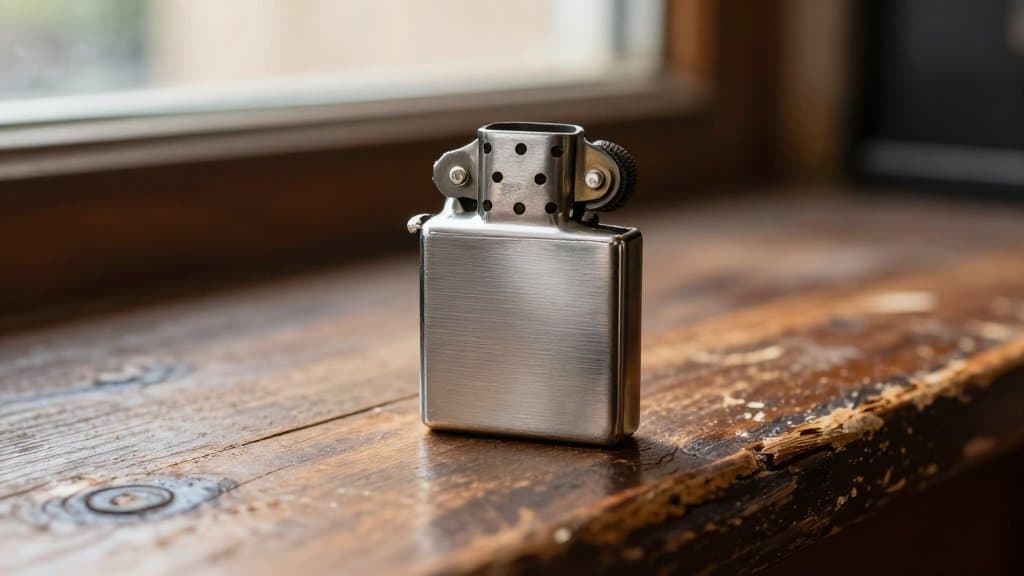
Flip over almost any Zippo lighter and you will find a code pressed into the metal base. Those tiny dots, slashes, and letters are zippo date codes, and they pin the lighter to the exact year, sometimes the exact month, it left the Bradford, Pennsylvania factory. For a reseller standing in a thrift aisle, that stamp is the difference between a $3 impulse buy and a piece worth real money.
Learning to date a Zippo takes about two minutes once you know the pattern. The factory has stamped a code on the bottom of every lighter since the mid-1950s, first for quality control, and collectors have leaned on it ever since to sort the common from the collectible. This guide walks the whole system, from 1958 dots to today's letter-and-number stamps, and shows what each era tends to sell for.
What Zippo Date Codes Actually Tell You
The bottom stamp does two jobs. It carries the Zippo trademark and logo, and since roughly 1955 it also carries a manufacturing date. The company added the code so the factory could trace any lighter returned under its lifetime guarantee, which is why Zippo can still repair a piece it made decades ago.
For a buyer, the stamp answers three questions fast: how old the lighter is, whether the finish matches that age, and whether the model lines up with the date. A brushed chrome case with a 1970s code is ordinary. The same code under a rare advertising design is where resale value climbs.
- •The script or block Zippo logo style
- •Dots, lines, or slashes beside the word
- •A month letter from A through L
- •A two digit or Roman numeral year
- •Patent or patent pending wording
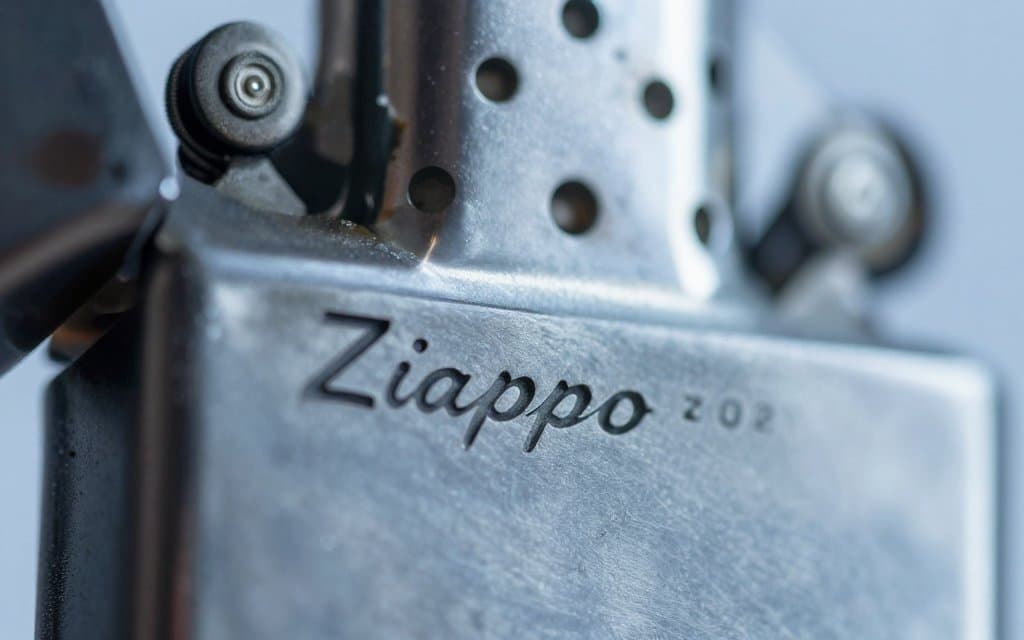
No code at all usually means a lighter made before the mid-1950s, or a modern counterfeit. Genuine Zippos from 1958 on almost always carry a dated bottom stamp.
How to Date a Zippo Lighter by Dots, Lines, and Slashes
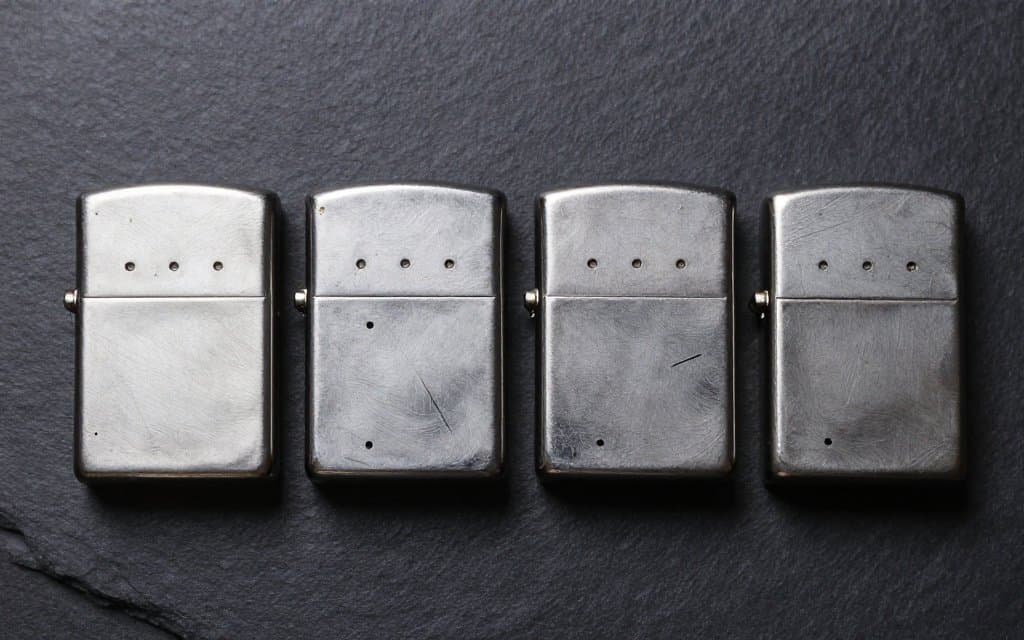
From 1958 the factory used a visual code around the logo that changed shape every few years. Count the marks on each side of the word Zippo, then match the symbol to its era. The pattern always counts down, starting at four marks and dropping one mark per year until it resets to a new symbol.
Dots came first. Four dots on each side means 1958, three dots 1959, and so on down to a single dot in 1965. In 1966 the dots became vertical lines, again four down to one across 1966 to 1973. Forward slashes ran 1974 to 1981, and backslashes ran 1982 to 1986. That countdown pattern is well documented in collector dating references.
| Years | Symbol | Count rule |
|---|---|---|
| 1958-1965 | Dots | Four down to one |
| 1966-1973 | Vertical lines | Four down to one |
| 1974-1981 | Forward slashes | Four down to one |
| 1982-1986 | Backslashes | Four down to one |
| 1986-2000 | Roman numerals | Plus month letter |
| 2001-today | Two digit year | Plus month letter |
Count down, never up. Four marks is the first year of a symbol, and one mark is the last year before the code changes shape.
Slim models followed their own timeline in the early years, so a slim case will not always match the standard chart. When the symbol and the case style disagree, trust the case style and cross-check against a printed reference before you commit money.
How To Date A Zippo , Zippo Date Codes Bottom Stamp
Reading Roman Numerals and Modern Date Stamps
In July 1986 the system changed again. The factory dropped the line symbols and added a letter for the month, A for January through L for December, paired with a Roman numeral for the year. According to Zippo's own date-code records, those Roman numerals ran from 1986 up to the year 2000.
In 2001 the Roman numerals became plain two digit numbers, so a stamp reading H 05 means August 2005. The month letter has stayed in place ever since, which makes any post-1986 lighter datable to the exact month with no chart at all.
- •Letter A to L is the month of the year
- •Roman numeral year runs 1986 to 2000
- •Two digit year covers 2001 to today
- •No month letter usually means pre 1986
What a Vintage Zippo Is Really Worth
What drives zippo lighter value
A date alone does not set the price. Condition, rarity, the design on the case, and the original box drive the resale value far more than age by itself. A worn 1960s chrome case might bring $15, while a clean advertising piece from the same year can bring ten times that.
A plain vintage zippo runs from about $20 into the low hundreds depending on demand and condition. Common chrome models sit at $15 to $50, mid-century advertising and novelty pieces climb to $50 to $150, and luxury or historically important lighters cross $1,000. Rarity, finish, and condition move the number as much as age does.
| Category | Era | Resale range |
|---|---|---|
| Common chrome | 1970s-2000s | $15 to $50 |
| Advertising, novelty | 1950s-1960s | $50 to $150 |
| Vintage, general | 1930s-2000s | $20 to hundreds |
| Luxury brands | Any era | $200 to $1,000 |
| Rare, historic | Prewar, WWII | $1,000 plus |
- •Working hinge with a strong, even snap
- •Original box, papers, or price sticker
- •Crisp case art with no heavy brassing
- •Rare finish, advertising, or military link
- •A date code that matches the case style
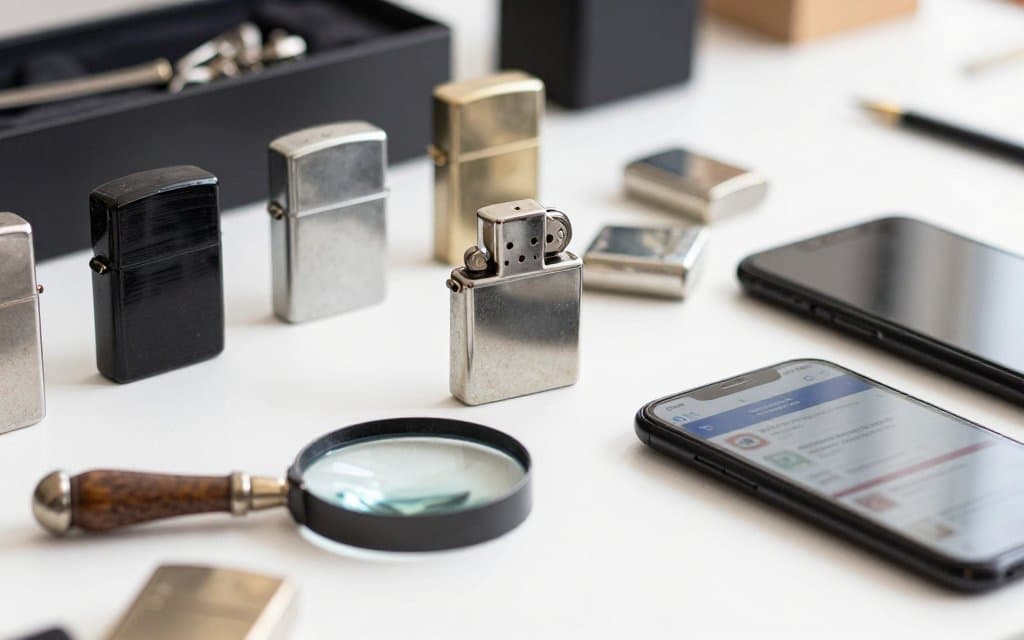
Condition beats age almost every time. A pristine common Zippo often outsells a rare model that is corroded, dented, or missing its insert.
Rare Models Worth Grabbing Off the Shelf
Once you can read the stamp, a few names deserve a second look. The street chrome zippo lighter is the plain workhorse finish and usually the cheapest, but the same eras produced hand painted Town and Country cases and pin-up Varga Girl designs that collectors chase. World War II pieces are particularly prized for their engravings and service history.
Advertising models are the sleeper category. A boxed corporate logo piece, a tobacco brand promo, or a military unit lighter can carry far more than its plain twin. Prewar Zippos from the 1930s and 1940s, identified by the block letter logo and patent marks, sit at the top of the market when the case is clean.
- •Town and Country hand painted cases
- •Varga Girl and pin-up art lighters
- •World War II and Vietnam service pieces
- •Boxed advertising and corporate logo pieces
- •1930s block logo models with patent marks
When you cannot pin a piece down, the Zippo factory in Bradford can help. The company still dates and repairs its own lighters, and the on-site zippo museum keeps reference examples of nearly every finish it has produced.
Spotting a Fake Zippo Bottom Stamp
Counterfeits show up at flea markets and online, and the giveaway is usually on the base. A fake zippo bottom stamp often has a mushy or off-center logo, the wrong font, or a date code that does not match the case hardware. The same instinct that helps you spot a fake designer bag works here: real stamps are crisp and deeply pressed.
Cross-check the code against the parts. A case stamped with a 1970s slash but fitted with a modern flat-bottom insert is a marriage or a fake. The same skill that reads hallmarks on silver or casting marks on cookware applies here: the mark has to agree with everything else on the object.
- •Blurry, shallow, or off-center logo stamp
- •Font that does not match the era chart
- •Date code that contradicts the insert
- •Loose hinge or a weak, uneven snap
- •No code on a case sold as 1960s stock
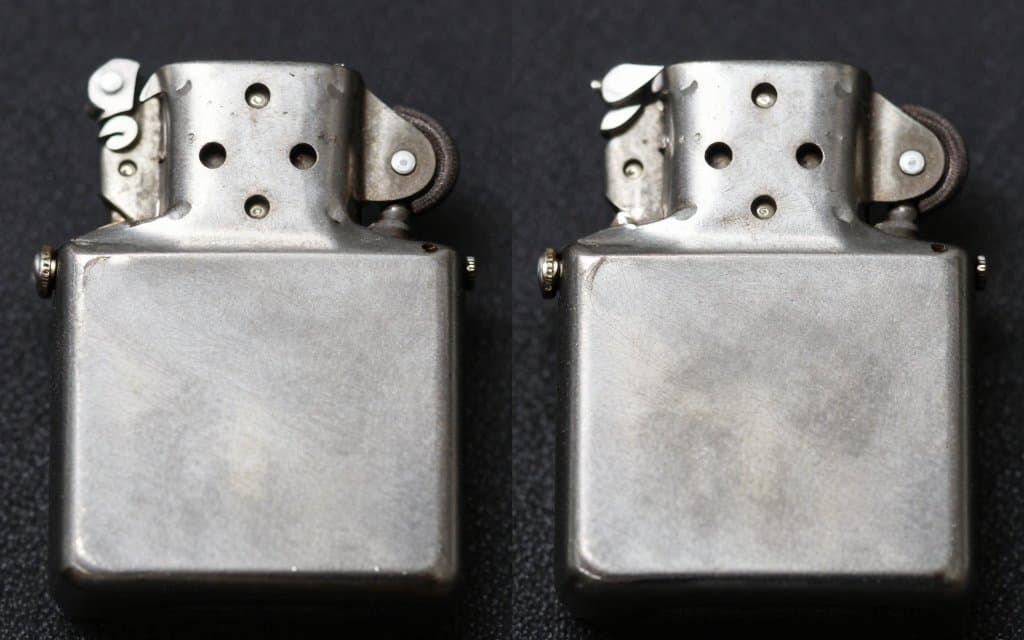
When a deal feels too clean, photograph the base and compare it against known examples before you buy. A scanner that pulls real sold prices from past listings can flag when an asking price is out of line with the market.
Zippo Dating Questions Resellers Ask
How do I date a Zippo with no dots or letters?
A base with no code at all points to a piece made before the mid-1950s, when the factory began stamping dates. Identify these by the logo style and patent wording instead: block letters and patent pending marks suggest the 1930s to early 1950s. Compare the case shape and hinge to a dated reference to narrow the year.
Are all antique Zippo lighters valuable?
No. Age helps, but condition and rarity matter more. A common chrome case from the 1960s in rough shape might bring $15 to $50, while a clean advertising or military piece from the same decade can reach several hundred dollars. Original boxes and papers push the price higher.
Where can I sell vintage Zippos for the most money?
eBay sold listings show the truest prices, and that is where most zippo lighters for sale change hands, alongside Etsy and specialist forums. Boxed, dated, and photographed clearly, a rare piece does best at auction. Always price against completed sales, not hopeful asking prices.
Does a scratched case ruin the value?
Light wear is normal and buyers expect it on a used lighter. Heavy brassing, deep dents, corrosion, or a dead hinge cut value sharply. A working piece with honest patina almost always beats a polished one with a broken cam.
Ready to stop guessing at the bottom stamp and start profiting? Snap a photo of any lighter and let Thrift Scanner identify the model, read the market, and show real sold prices before you buy, so you never overpay for a common chrome case again. Get the app here: iOS or Android.