


The tag inside a thrifted Pendleton Woolen Mills shirt usually tells you its decade before you've even checked the price. A city line, a pair of quote marks or a tiny Woolmark can move a $5 rack find from "nice plaid" to a Board Shirt that sold for a $65 median this summer and fall.
Sold listings gathered for a 2026 Pendleton value guide put the median thrift asking price at $5.14, while a plain vintage Pendleton shirt sold for $35 and some blankets cleared $160. Knowing which Pendleton tags to look for is most of the job, and it's quick to learn.
Reading Pendleton tags from the city line down
Start with the address. The earliest labels name the mill town, "Pendleton, Oregon," and that points to a piece from before about 1950. Around 1950 most labels switched to "Portland, Oregon," which stayed until roughly 2008, so that's the line you'll see on the bulk of vintage stock.
Quote marks and the Woolmark
Older labels set the name in a curly script P with quote marks around "Pendleton," a style that lasted until about 1995. After that came a slanted serif logo with "Since 1863" and no quotes. The Woolmark logo shows up from the 1970s into the early 1990s, and it disappears from shirt labels after 1992.
Why a separate care tag matters
The Federal Trade Commission issued its care labeling rule on December 9, 1971, according to a later FTC court filing. A shirt with its own washing or dry cleaning tag sewn into a side seam was made in the early 1970s or later. No care tag, plus "100% virgin wool" in thick type on the main label, is what you'd expect on a 1960s piece.
| Label clue | Likely era | Notes |
|---|---|---|
| "Pendleton, Oregon" city line | Before about 1950 | Mill town address on early labels |
| "Portland, Oregon" city line | About 1950 to 2008 | Most vintage shirts you find carry it |
| Separate care tag | 1970s or later | FTC care rule issued December 1971 |
| Woolmark logo | 1970s to early 1990s | Gone from shirt labels after 1992 |
| Slanted logo, "Since 1863" | About 1995 to 2008 | No quote marks around the name |
| Registration mark, no city | 2009 to today | Recycled polyester labels from 2021 |
- •"Pendleton, Oregon" on the label points to before about 1950
- •"Portland, Oregon" points to roughly 1950 through 2008
- •Quote marks around the name suggest a tag made before about 1995
- •A registration mark and no city line point to 2009 or later
- •A size printed on the neck label usually means 1977 or newer

Pendleton history in a few dates that matter at the rack
Pendleton history starts in 1863, when weaver Thomas Kay arrived in Salem, Oregon. Pendleton Woolen Mills rebuilt a mill in the town of Pendleton in 1909 and added a second one in Washougal, Washington, in 1912. The first wool shirts came out in 1924, and by 1927 a "Sport Shirt" had joined the line.
The Pendleton company launched its first women's sportswear line in 1949, the same year the 49'er jacket debuted. The original 49'er run ended in 1961 after more than a million were sold. That's why you still see them on thrift racks so often, and why they rarely bring big money.
If a label says "Pendleton, Oregon" instead of Portland, slow down. That address points to a piece made before about 1950, so check the rest of the garment before you put it back on the rack.
Why the Pendleton Board Shirt still draws surf collectors
The Pendleton Board Shirt model entered the line in 1953. By the late 1950s, California surfers wore plaid Pendleton shirts over their swim trunks and swapped the trunks for light trousers once they came ashore, according to the company's own blog.
A young band named itself the Pendletones after that look, then became the Beach Boys in 1962 and kept wearing blue and charcoal plaid on record sleeves through the early 1960s. Pendleton still calls the Board Shirt its bestselling men's wool shirt. Modern ones are everywhere. The vintage ones are worth chasing.
- •Straight hem made to be worn untucked over trunks or khakis
- •Two flap pockets sitting high on the chest
- •Sport collar with a small thread loop at the top button
- •Blue and charcoal plaid like the early Beach Boys record covers

What a vintage Pendleton shirt really sells for
Here's the money side. The guide pulled eBay sold listings from July 18 to October 15, 2026, and the spread between categories is wide. A Westerley cardigan, the shawl collar sweater Jeff Bridges wore in The Big Lebowski, led the pack.
| Item | Median sold | Typical range |
|---|---|---|
| Westerley cardigan | $170 | $120 to $210 (59 sales) |
| National Park blanket | $162 | $125 to $200 (36 sales) |
| Beaver State blanket | $139 | $100 to $200 (89 sales) |
| Men's wool jacket | $94 | $59 to $131 (100 sales) |
| Board Shirt | $65 | $46 to $90 (90 sales) |
| 49'er jacket | $48 | $35 to $60 (55 sales) |
| Vintage wool shirt | $35 | $25 to $47 (123 sales) |
The maths on one good shirt is simple. Pay around $5, sell a Board Shirt near its $65 median, and you've got roughly $60 before fees, packaging and postage. A plain wool shirt at $35 still leaves room, but jackets and cardigans are what make a sourcing trip worth the gas.
- •Compare sold listings, never asking prices, before you list
- •Put the decade in your title only if the tag supports it
- •Photograph the label straight on so buyers can date it
- •Don't pay extra for Made in USA, buyers didn't in this data
Sold listings are the only price that counts. Asking prices on unsold Pendleton shirts run high and will tempt you to overprice your own.

How to check a Pendleton flannel before you pay
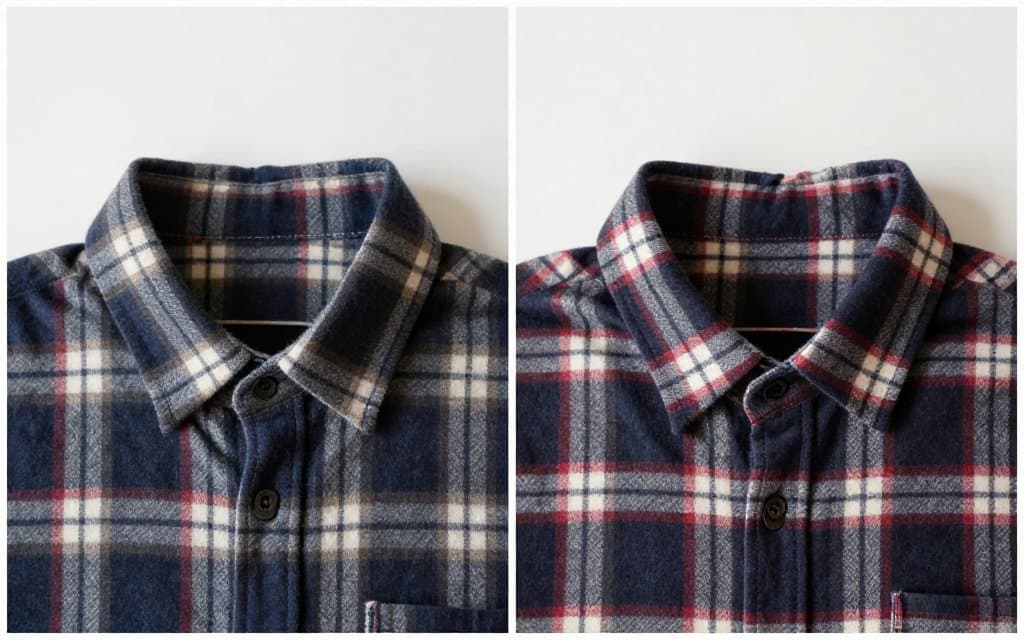
Shoppers call almost any plaid Pendleton flannel, and plenty of listings use that word too. What sells is the wool, so read the fiber line first. A Pendleton wool shirt with moth holes at the collar or felted, shrunken elbows loses most of its appeal, so give it a slow look under good light.
- •Hold it to the light and look for moth holes near the collar
- •Read the fiber line for 100% virgin wool before anything else
- •Check cuffs and elbows for thinning or felting from hot washes
- •Measure pit to pit, since older cuts often run trim
Sizing trips people up. A tag that says L on an older shirt may fit closer to a current M, so list the measurements and save yourself a return. Reading construction details pays off the same way on single stitch vintage tees and old Levi's with a red tab.
The vintage Pendleton blanket and jacket finds worth grabbing
If you only scan the shirt rack, you're missing the best paying stock. National Park stripe blankets sold for a $162 median, and Beaver State blankets moved 89 times at a $139 median. The National Park series began with the Glacier blanket back in 1916.
Blankets used the same first two label styles as early clothing, so date a vintage Pendleton blanket by range rather than a single year. Plaid camp blankets and throws are more common and sold for a $60 median, which is still a strong return on a thrift price.
Men's wool jackets and coats, leaving out 49'ers, sold for a $94 median. That's nearly triple a plain shirt. When you're working the outerwear rack anyway, our guide to telling vintage Carhartt from the WIP line covers another jacket resellers fight over. You can also check a tag's value on the spot at thrifting.app.
A $5 blanket that turns out to be a National Park stripe is one of the best returns on the thrift floor, at a $162 median sold price in 2026.
Common questions about a Pendleton Woolen Mills shirt
How old is my Pendleton wool shirt?
Check the city line first, then the quote marks, the Woolmark and any care tag. "Portland, Oregon" with quotes around the name and no care tag usually means the 1950s, 1960s or very early 1970s. A registration mark with no city means 2009 or later.
Are Pendleton shirts worth buying at the thrift store?
Usually, at thrift prices. With a median ask near $5 and vintage wool shirts selling for a $35 median, most clean Pendleton shirts in common sizes pay for themselves. Skip anything with moth damage unless the label is an early one.
Does a Made in USA tag raise the price?
Not on its own. The 2026 sold data showed no clear premium for Made in USA, even though plenty of sellers put it in their titles. Era, style and condition did more of the work.
Ready to stop guessing at the wool rack? Download Thrift Scanner, snap a photo of that plaid shirt or blanket label, and get real sold-price data before you pay a cent. Get the app here: iOS or Android.