


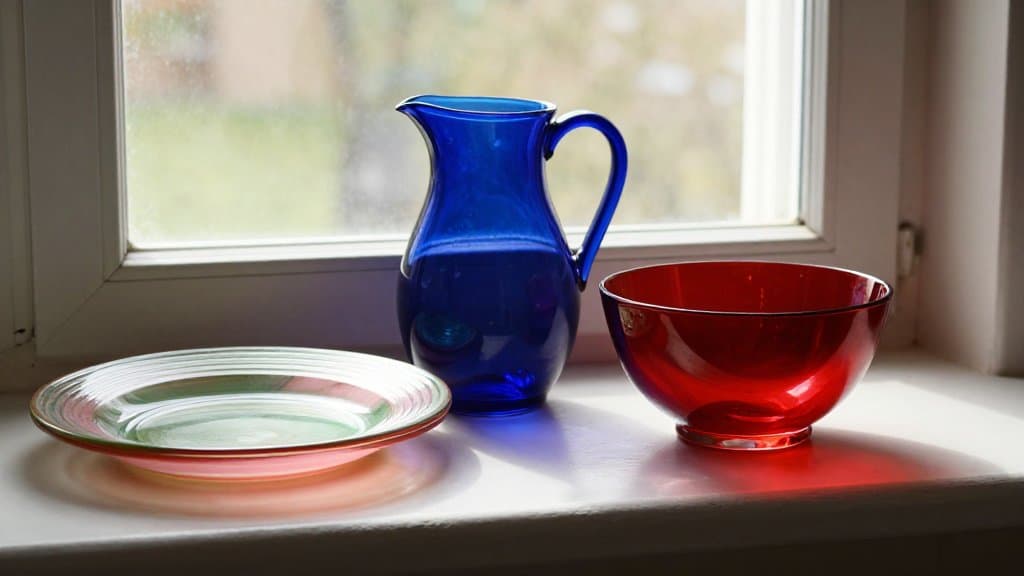
Two plates can sit on the same thrift shelf at the same two dollars, and one quietly beats the other by a wide margin. With depression glass the color usually matters more than the pattern. A cobalt blue piece or a piece of rare red depression glass can bring real money, while the very same shape in plain green often sells for pocket change.
That gap is worth knowing before you walk past a bin of old glassware. Depression glass was cheap kitchen ware in the 1930s, made by the crate and handed out for free. Ninety years later a small share of it, the scarce colors and a handful of patterns, sells for hundreds and sometimes thousands. The rest is still cheap. Telling the two apart takes about ten seconds once you know what to look at.
How a giveaway glass became collectible
Depression glass came out of seven American factories between 1929 and 1939, names like Anchor Hocking, Hazel-Atlas, Jeannette, Federal, MacBeth-Evans, Indiana Glass, and U.S. Glass. It was machine pressed fast and cheap, then sold for pennies or tucked into sacks of flour and boxes of oatmeal as a promotion. Plenty of families got it for nothing with the groceries.
That backstory is why so much of it survives, and why value now rides on scarcity instead of age. Almost every piece is the same age. If you already hunt glass, this rewards the same eye you use for iridescent carnival glass. What separates a five dollar dish from a five hundred dollar one is the color it was poured in, the pattern pressed into it, and whether the form was made in small numbers.
Why cobalt and rare red depression glass win
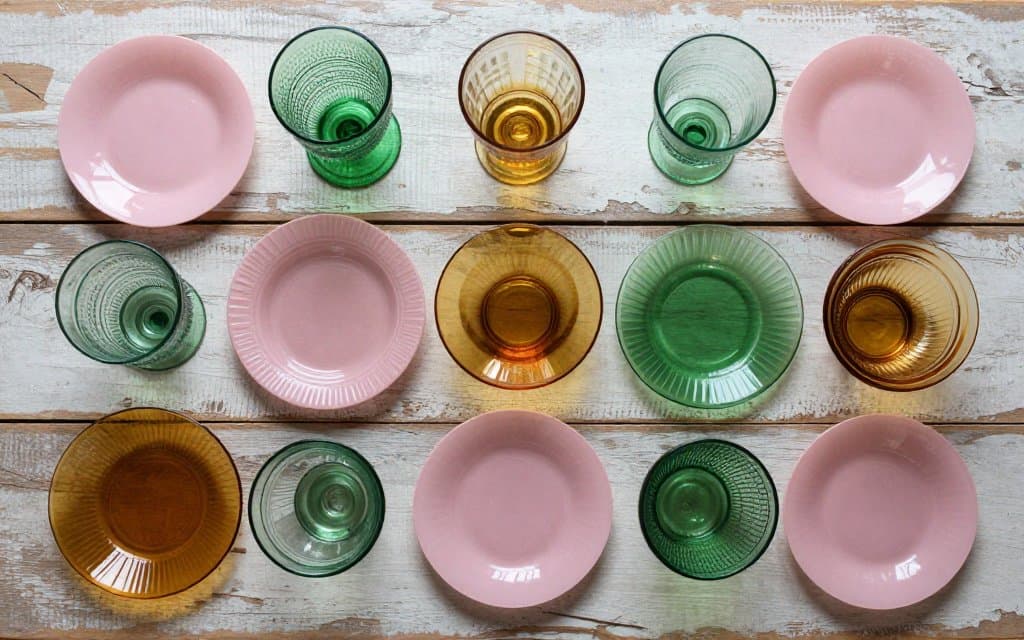
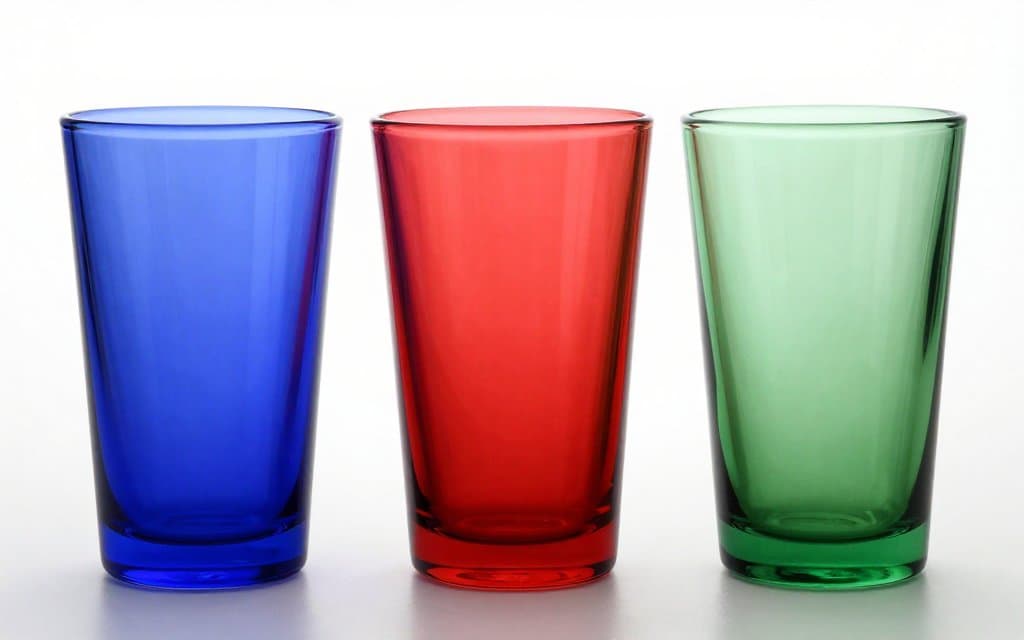
Collectors rank the colors in a fairly steady order, and that order drives the prices. Cobalt blue sits at the top, followed by red or ruby, then the color-changing alexandrite and a pale ice blue. Pink is the most popular color to collect, so it holds steady demand. Yellow comes next, then green and amber, which are the common ones. Clear crystal is worth the least in any pattern. Learning the depression glass colors that collectors chase is the single fastest filter in the aisle.
So a rare red depression glass bowl or a cobalt piece starts ahead before you even name the pattern. Green is where most thrift shelves live, which is exactly why a green version of a mold is the baseline and a cobalt version of the same mold is the prize. Cobalt depression glass in a desirable pattern is the combination that pushes past a hundred dollars fast.
| Color | Rarity | Typical range |
|---|---|---|
| Cobalt blue | Rarest | $200 to $3,000+ |
| Red or ruby | Scarce | $100 to $500+ |
| Pink | Popular | $10 to $350 |
| Green | Common | $5 to $60 |
| Clear | Least | $2 to $20 |
- •Cobalt blue: the rarest color and the top price
- •Red or ruby: scarce and close behind cobalt
- •Alexandrite: shifts color and pulls a premium
- •Pink: the most popular color with steady demand
- •Green and amber: common, so they stay affordable
- •Clear crystal: worth the least in any pattern
Color first, pattern second, condition third. A piece tells you most of its value before you ever turn it over.
Patterns worth real money
A few patterns carry the market. The most valuable depression glass patterns share a trait: a scarce color or a hard to find form. The numbers below are recent real sales, not asking prices, and they show how far the right color and shape can travel.
| Pattern | Maker | Recent sale |
|---|---|---|
| Mayfair | Hocking | Six blue tumblers, $720 |
| Adam | Jeannette | Pink covered butter, $1,250 |
| American Sweetheart | MacBeth-Evans | Pink pitcher, $895 |
| Royal Lace | Hazel-Atlas | Cobalt butter dish, $689 |
| Cameo | Hocking | Pink sandwich plate, $100 |
| Petalware | MacBeth-Evans | Eight cups and saucers, $770 |
Mayfair by Hocking, made from 1931 to 1937, is the headline example. Common pieces sell around twenty dollars, but a pink three-legged casserole bowl sold for $3,250 in 2022, and a blue cookie jar runs $1,500 to $3,000 or more. Adam and American Sweetheart tell the same story, where one scarce form carries the whole pattern. You can browse more recent auction results to see how wide the spread runs. That is the core of depression glass value: color and form, not age.
Reading depression glass plate patterns
Most people meet these designs as plates, so depression glass plate patterns are a good place to start. Cameo, Mayfair, Royal Lace, and Block Optic depression glass all show up as dinner and sandwich plates. A Cameo pink sandwich plate recently brought about a hundred dollars, while a green one of the same size stays a common find. Same pattern, different color, very different money. The habit of dating a mark, the way you would with Fire King jadeite, pays off here too.
Common forms and what they bring
Most of what you will actually find is green, and green depression glass is the everyday tier. A set of green depression glass bowls, a green depression glass divided dish, or a stack of luncheon plates usually sells for a few dollars each. That is fine, because volume adds up, and complete sets sell better than singles.
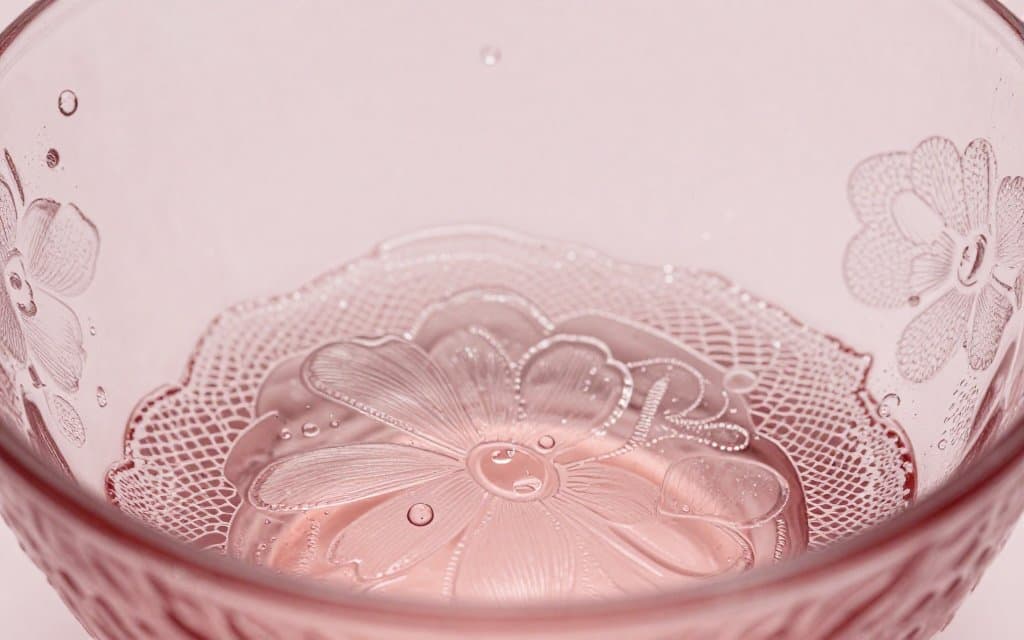
Pink depression glass sits a notch above green for demand, so a matching pink set is worth grabbing. The forms that jump in value are the ones made in smaller numbers that broke easily: cookie jars, pitchers, covered butter dishes, footed tumblers, and lamp shades. American Sweetheart lamp shades alone run $400 to $700.
- •Cookie jars: scarce lids push prices high
- •Pitchers: thin handles broke, so few survive
- •Covered butter dishes: the lid holds the value
- •Footed tumblers: sold in sets, lost as singles
- •Lamp shades: fragile and usually thrown out
A complete set with its lid can bring far more than the same pieces sold one at a time.
How to tell real depression glass from a reproduction
Reproductions exist, and they cost real collectors money, so a few checks matter. Genuine depression glass was machine pressed, so it carries small tells that new glass copies poorly. You can do most of the checking by hand right in the aisle. The same look-through-the-light habit that dates embossed antique bottles works on glass like this.
Hold it up to the light
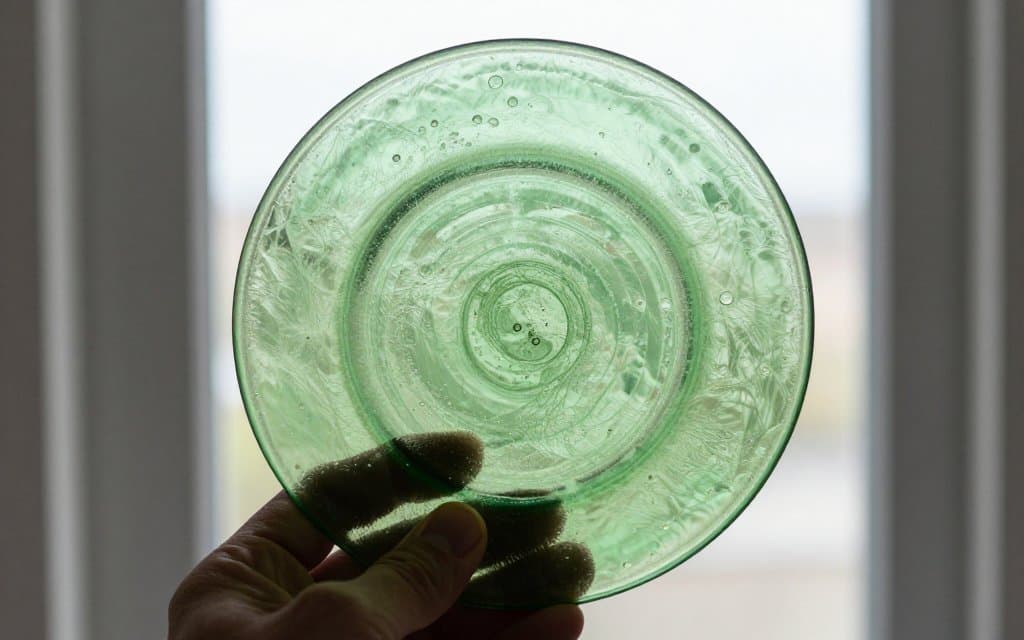
Turn the piece toward a window. Real depression glass shows tiny air bubbles trapped in the glass and faint waviness from fast pressing. The pattern should feel crisp and deeply pressed. Reproductions tend to look too clean and feel soft, with shallow detail that gives them away.
Check the seams and the base
Look for the vertical mold seam lines that machine pressing leaves behind, plus minor imperfections that read as age rather than damage. One specific trick works on Royal Lace tumblers: real ones carry the pattern on the bottom, while a blank base is a warning sign. When a deal looks too good on a cobalt or ruby piece, slow down and check.
What it means for your resale profit
Here is the part that pays. If you resell, color is your fastest sort. A cart of green and clear is a volume play at five to fifteen dollars a piece. A cobalt, ruby, or pink piece in a named pattern is the one you research on the spot, because that is where fifty, two hundred, or a thousand dollars hides. A scanning app like Thrift Scanner can read the pattern and pull sold-price comps in seconds, which keeps you from guessing on the scarce colors.
Condition swings the number hard. Chips, cloudiness from dishwasher etching, and heavy wear cut value fast, and a missing lid can erase most of it. Full sets and pieces with their original lids beat loose singles every time. Kitchen glass moves a lot like vintage CorningWare, where the pattern and completeness set the price. Photograph the pattern in daylight, name the color honestly, and price to the sold listings, not the hopeful ones.
- •Name the color first, since it sets the ceiling
- •Hunt cookie jars, pitchers, and butter dishes
- •Hold it to the light for bubbles and crisp detail
- •Reject chips, cloudiness, and heavy wear
- •Buy complete sets and pieces that keep their lids
The money is in the color and the form. Buy those two right and the pattern name almost sells the piece for you.
Questions thrifters ask about depression glass
Is green depression glass worth anything?
Usually a little, not a lot. Green is one of the most common depression glass colors, so most green pieces sell for five to fifteen dollars each. The exceptions are scarce forms and full sets, where even a common color adds up. A green depression glass divided dish or a clean set of green depression glass bowls sells faster than a single plate.
What is the rarest depression glass color?
Cobalt blue is the rarest and most valuable, with red or ruby close behind. Both were poured in smaller quantities than pink or green. A rare red depression glass piece, or a cobalt one in a good pattern, is the kind of find that can turn a two dollar buy into a serious payday.
How can I tell if my depression glass is real?
Hold it to the light and look for tiny bubbles, faint waviness, and a crisp, deeply pressed pattern. Check for vertical mold seams and honest age wear on the base. New reproductions look too clean and feel soft, with shallow detail that gives them away.
Ready to stop guessing at the thrift shelf and start profiting from old glass? Thrift Scanner uses AI to identify the pattern, read the color, and pull real market data in seconds, so you never overpay for a common green plate or leave money behind on a cobalt one. Get the app here: iOS or Android.