



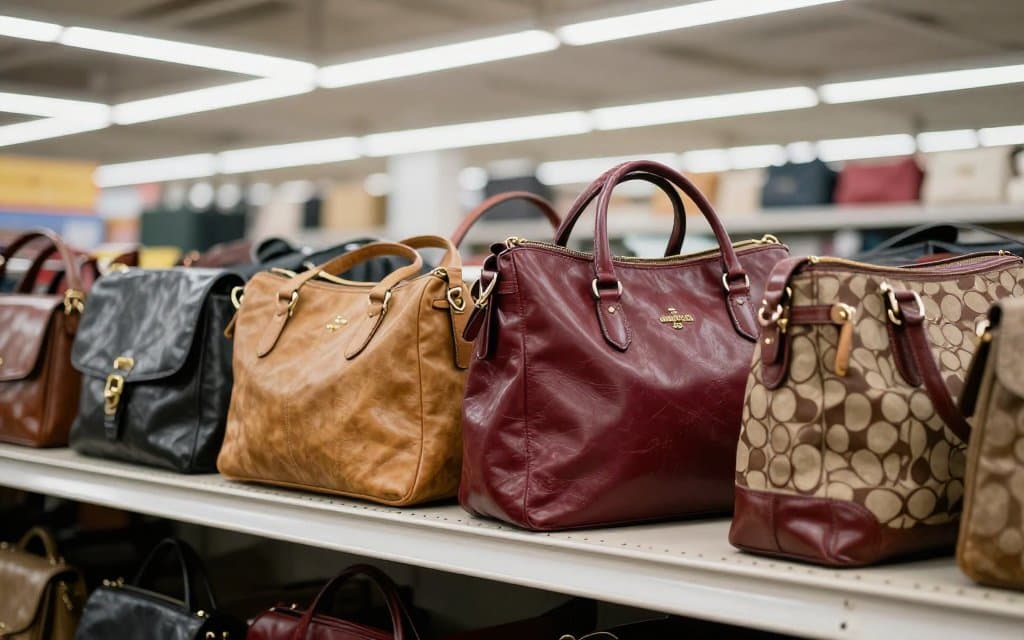
Walk into almost any Goodwill in America and there's a good chance a Coach bag is sitting on the shelf for under $10. Some of those bags resell for $60 to $200, and a few rare ones have sold for more than $4,000. The same rack also holds convincing counterfeits, so knowing how to tell if a Coach bag is real is the difference between a smart flip and an $8 mistake.
Real Coach leather bags carry a handful of tells that fakes almost always get wrong, and you don't need an expert eye to read them. You just need to know where to look: the creed patch, the serial number, the hardware, and the styles that actually pay. Get those right and you can call a real vs fake Coach bag from across the aisle.
Why old Coach leather beats the mall version
The bags collectors chase come from Coach's classic era, roughly the 1960s through the late 1990s, before the brand went mass market. Designer Bonnie Cashin shaped many of the early styles, and her pieces with their bright vertical striped lining sit at the top of the market. The leather is the giveaway, because classic glove-tanned leather is thick, supple, and carries a smell that people who handle vintage Coach bags learn to recognize.
Those bags were made in the United States or stamped Made in New York City, and the hardware is solid brass rather than the thin plated metal on later outlet stock. That build quality is why a 30 year old antique Coach bag, or a bright retro Coach purse from the 1970s, can outsell a brand new one on the resale market today.
- •Glove-tanned leather that feels thick and soft
- •Solid brass hardware, not thin plated metal
- •A Made in USA or New York City stamp
- •Clean single color leather, no logo canvas
Coach bag authentication starts inside the bag
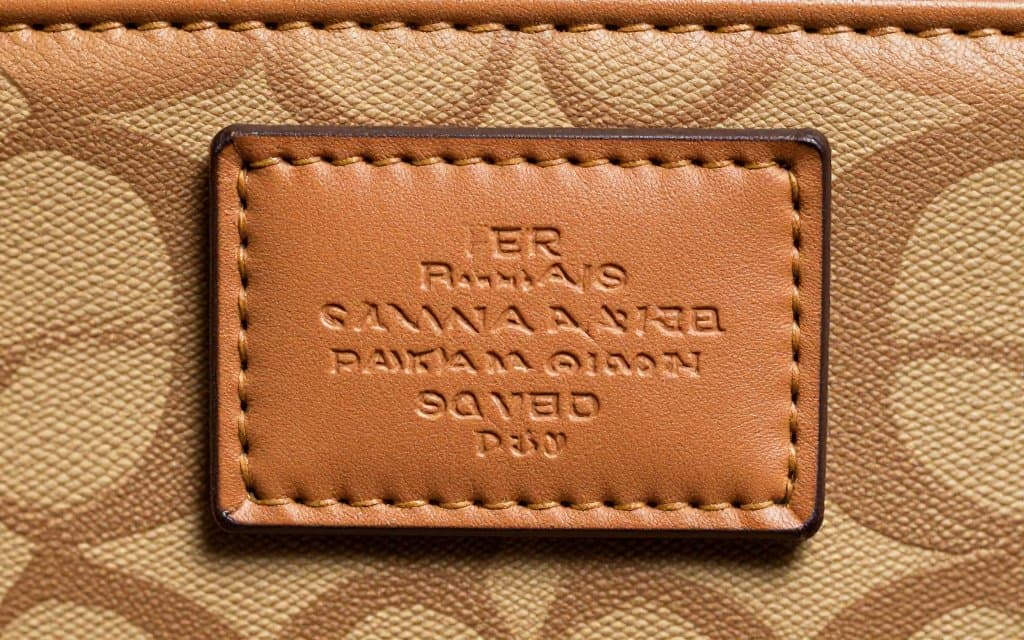
Coach bag authentication starts inside the bag, not with the logo on the outside. Coach sews a small leather panel called the creed into the interior lining, usually on a main wall or tucked inside a zip pocket. The creed carries a short brand paragraph and, on most bags made from the 1970s into the 2000s, a serial number that reads as your fastest check on age and legitimacy.
Where the creed sits and what it says
On genuine bags the creed text is stamped cleanly and pressed slightly into the leather, evenly spaced and easy to read. Fakes tend to stamp too shallow, smudge the letters, or misspell the paragraph. If a bag is sold as 1980s or 1990s vintage and has no creed or serial at all, treat that as a red flag before you spend a cent.
How the serial number formats changed over the years
The coach bag serial number format tells you the era. Before 1994, Coach used short numbers with no letters, sometimes stamped straight into the leather. From 1994 to 2006 the code mixed letters and digits, like K8P-9870, where the first letter marks the production month and the block after the dash is the style number. Around 2014 to 2016 Coach moved this detail to a small white fabric tag hidden in a corner seam, a change documented in this Coach serial number breakdown.
| Era | Serial format | Example |
|---|---|---|
| Pre-1994 | Digits only | 032-5862 |
| 1994 to 2006 | Letter and digits | K8P-9870 |
| 2014 to 2016 | White fabric tag | hidden in seam |
A missing creed on a bag sold as 1990s vintage is not a bargain, it is a warning.
How to tell if a Coach bag is real at a glance
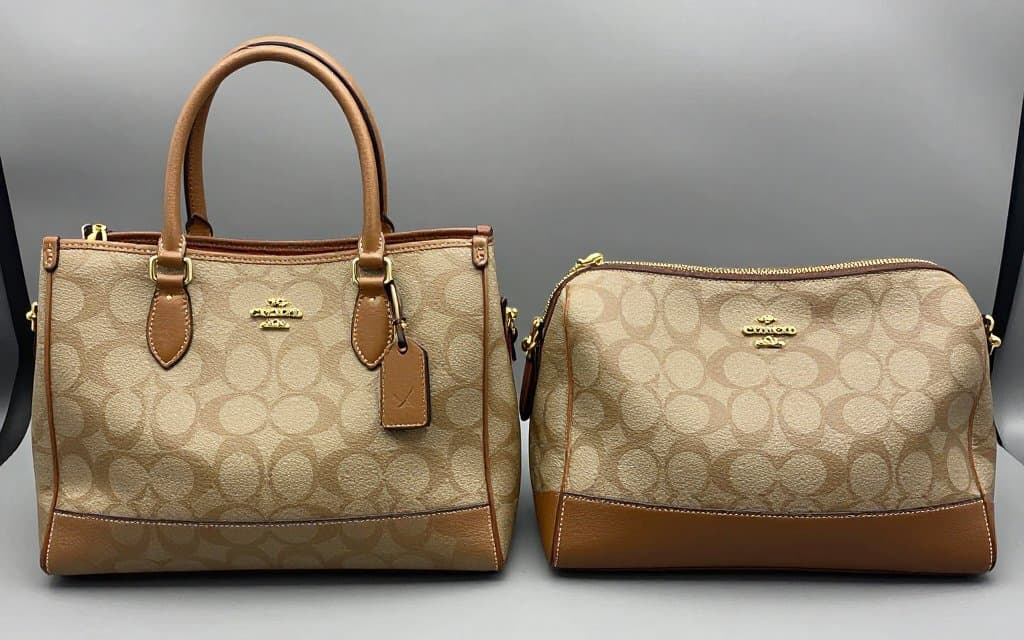
Once the creed checks out, the bag itself should back it up. Real Coach stitching is tight and even, the zippers run smoothly, and the brass hardware has real weight in your hand. A bullseye stamp punched into the creed, a small target shape, means the bag is factory outlet merchandise that sits near the bottom of the resale market, and a serial that starts with F points the same way.
- •Even, tight stitching with no loose threads
- •Heavy brass hardware, not lightweight plating
- •A creed stamped deep and cleanly, not smudged
- •A serial format that matches the bag's style
- •No bullseye stamp punched through the creed
Put those checks together and you have a reliable read. This side by side walkthrough from a longtime collector shows how the real and fake versions of the same bag differ once you know the tells.
How to Spot a Fake Coach Bag (Real vs Fake Comparison)
Weigh the hardware in your hand. Real Coach brass feels dense, cheap copies feel hollow.
What a real vintage Coach purse is actually worth
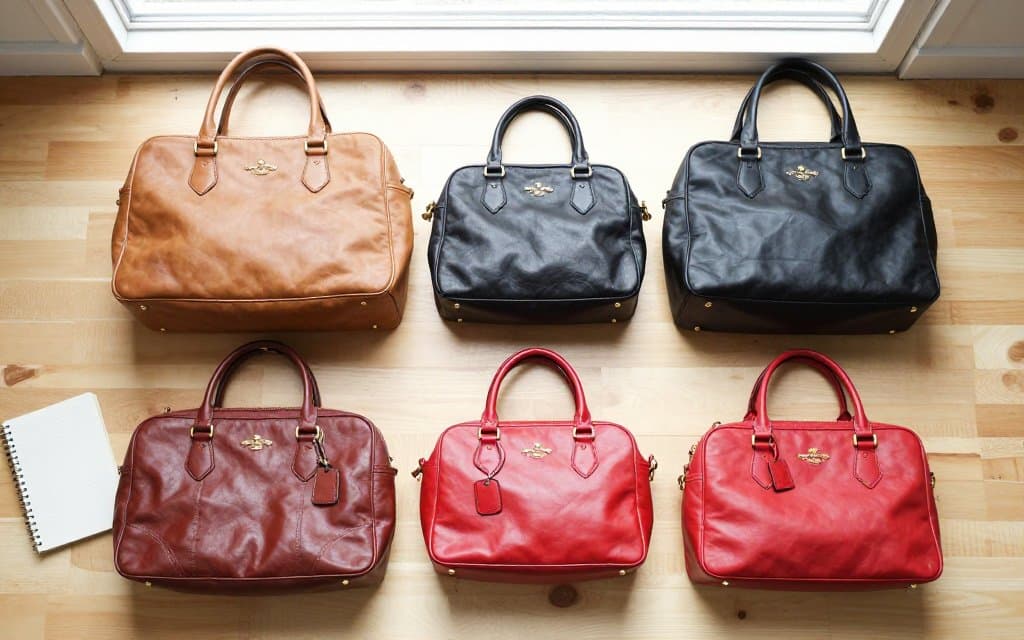
Here is where the money lives. Classic leather styles in good shape reliably resell in the $50 to $200 range, and Bonnie Cashin era pieces run from $100 to well over $500. Prices for vintage Coach handbags have climbed as the classic shapes came back into style, so the plain tan bag your aunt stashed away may be worth real cash.
| Style | Era | Resale range |
|---|---|---|
| Vintage Dinky | 1990s | $50 to $150 |
| Willis | 1980s | $60 to $150 |
| Court | 1980s | $80 to $200 |
| Station Bag | 1980s | $60 to $150 |
| Cashin era | 1960s to 70s | $100 to $500+ |
| Signature canvas | 2000s | $10 to $30 |
A few grails go much higher. A 1970s Coach saddle bag recently sold for $4,050, a 1970s Federal shoulder bag brought $2,750, and a 1960s Double Pocket Duffle listed at $1,695 in recent sold listings. Coach is not the only closet staple that pays either. A single red tab can push a pair of vintage Levi's into the hundreds, and old flatware can surprise you the same way, as the numbers on sterling silverware show.
- •1970s saddle bag, sold for about $4,050
- •1970s Federal shoulder bag, around $2,750
- •1960s Double Pocket Duffle, near $1,695
- •1990s Winnie top handle, about $1,000
Condition is everything. Cracked leather or a broken zip can cut a $150 bag down to $40.
The signature canvas trap that fools resellers
Not every Coach bag is a payday. The signature C canvas bags that flooded outlets in the 2000s are the ones new resellers overpay for. They sold new for $100 to $200, but the resale market is saturated, and most now move for just $10 to $30. Some do not sell at all.
Value in Coach runs backward from what beginners expect. The plain leather bag that looks dull often beats the logo covered canvas that looks expensive. When you are deciding how can you tell if a Coach purse is real and worth grabbing, the print is not the answer, the leather and the creed are. Scan a questionable bag with Thrifting.app and you get sold-listing numbers on the spot instead of a guess.
Questions people ask about spotting a real Coach
How do you know if a Coach bag is real without the serial number?
Plenty of genuine bags predate serial numbers or have a worn creed, so lean on the build. Check for glove-tanned leather with a soft hand, heavy brass hardware, tight even stitching, and a Made in USA or New York City stamp. If the leather feels stiff and plasticky and the metal is light, it is almost certainly a fake no matter what the tag claims.
How can you tell if a Coach purse is real from the hardware?
Real Coach brass has weight and a warm tone, and the zippers glide without catching. Counterfeits usually cut costs on metal first, so the hardware feels hollow, the plating looks too shiny, and the zipper drags. A bullseye stamp on the creed marks an outlet bag, which is genuine but low value.
What gives a vintage Coach purse its value?
Vintage Coach purse value comes down to era, style, and condition. Classic leather shapes from the 1970s through the 1990s and the earlier Bonnie Cashin designs bring the most, while 2000s signature canvas brings the least. A clean bag with no cracks, odor, or broken hardware can sell for several times what a damaged one does.
Is every antique Coach bag worth money?
No, and age alone does not set the price. An antique Coach bag in a desirable leather style and solid condition can bring $100 or more, but a beaten outlet bag or a common canvas piece may struggle to clear $15. Match the style and the condition to real sold listings before you set an asking price.
Ready to stop guessing at the thrift store and start spotting the leather that pays? Thrift Scanner reads the item in front of you, checks the brand and condition, and shows real resale numbers from actual sold listings, so you never leave a real Coach bag on the shelf or overpay for a fake. Snap a photo and get the market data before you buy. Get the app here: iOS or Android.