


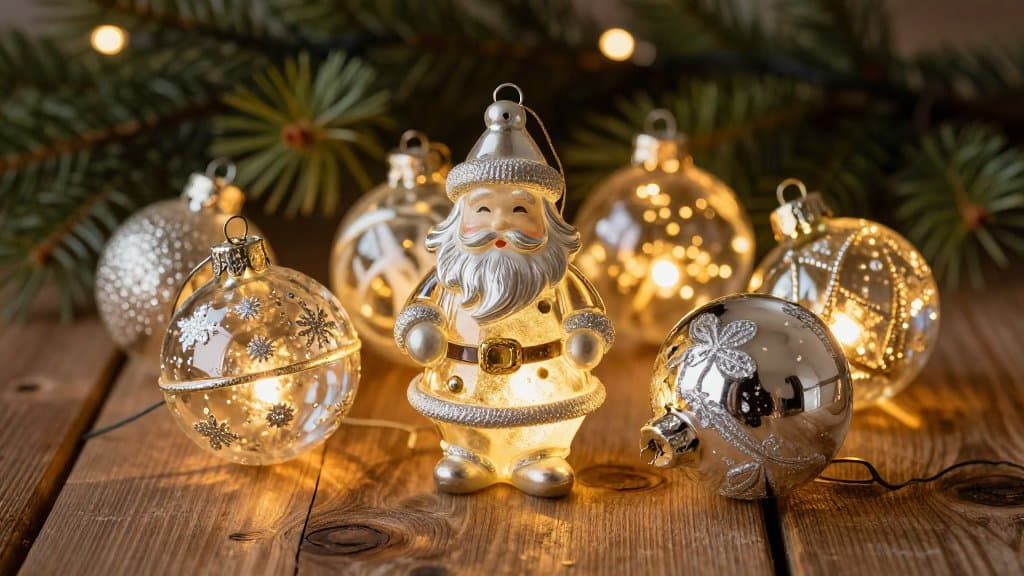
Pull a glass Santa out of a tangled box of tinsel and you might be holding the most valuable thing in the thrift store. The plastic ornaments from the 1980s are worth pennies, but the older glass ones can pay for a whole weekend of picking. A hand blown figural Santa from before World War II regularly sells for $100 to $400 in good shape.
Vintage glass Santa ornaments are one of the few holiday items resellers actually chase. The oldest German examples cross into four figures, and even a common mid-century bulb can bring $30 once someone knows what it is. The whole game is telling a $2 reproduction from a piece worth real money.
Why vintage glass Santa ornaments sell for so much
Most of these were never built to last. Thin blown glass, hand painting, and decades folded in cardboard mean survivors in clean shape are genuinely scarce, and scarcity is what collectors pay for. That is why vintage glass Christmas ornaments in mint condition can outsell newer decorative pieces ten to one, the same way buyers pay up for Fire King jadeite.
Age drives the rest. The earliest German figural work, made in Lauscha before 1900, can command $200 to $2,000 or more depending on the subject. American brands came later and sold in the millions, so their value leans on condition, rarity of design, and whether the box survived, much like pattern rules the price of vintage Pyrex.
The rule collectors repeat is simple. Condition comes first, age second, and the original box can add half again to the final price.
How to date Shiny Brite ornaments by the cap
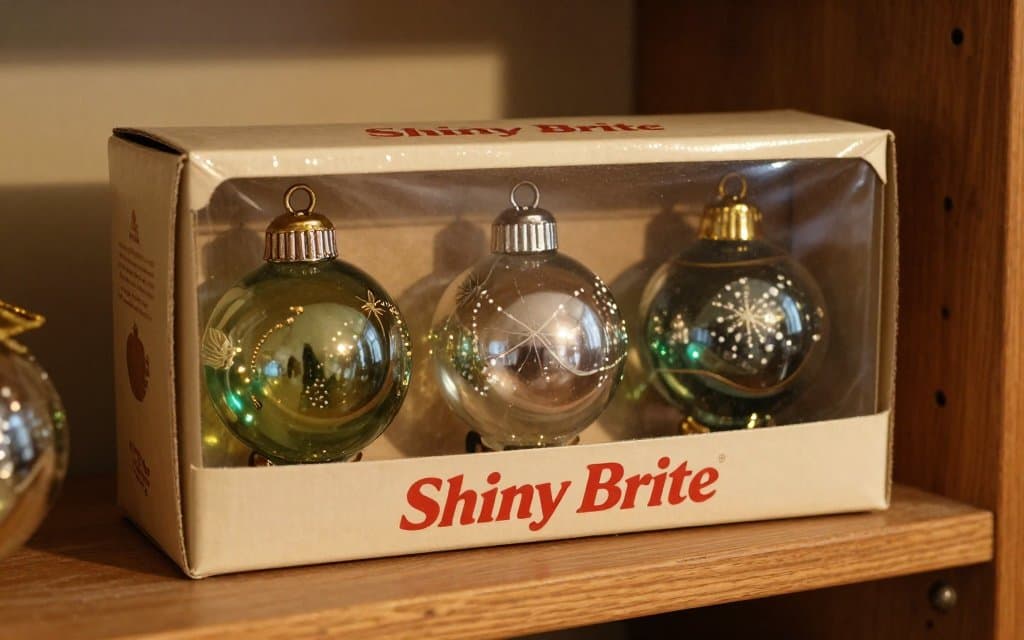
Shiny Brite ornaments are the ones most people actually find, so learning to date them pays off fast. The line launched in 1937 and was on shelves by 1939, selling for two to ten cents at Woolworth. Corning machine made the clear glass bulbs, then Max Eckardt's company silvered, painted, and boxed them.
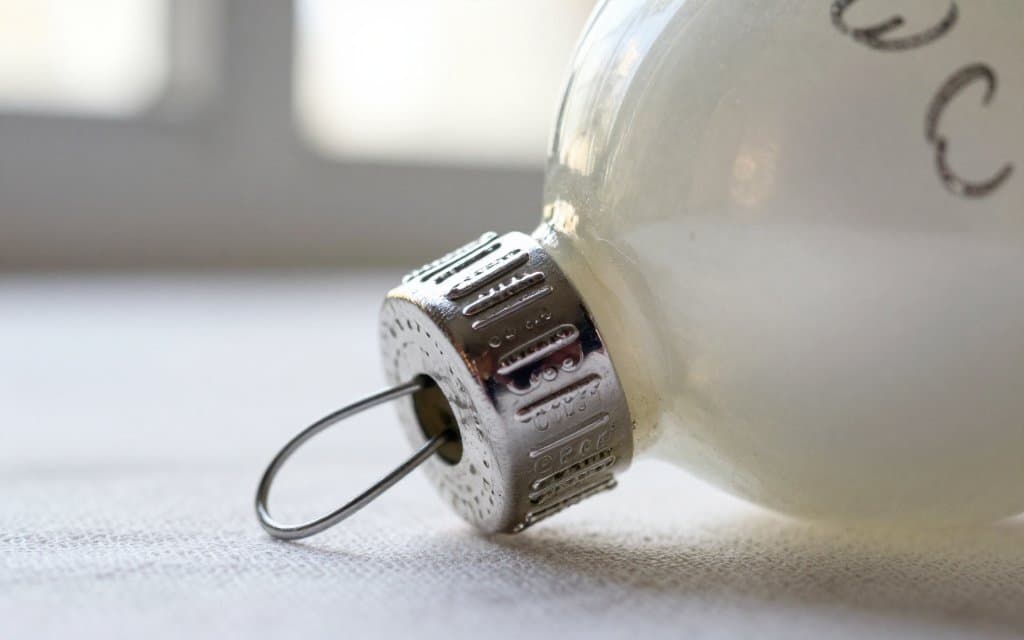
The metal cap is your quickest clue. Caps stamped Made in U.S. of A. point to 1938 through 1942. From 1942 to 1945 silver nitrate went to the military, so wartime bulbs stayed clear and got plain cardboard caps. Crimped metal caps returned after 1946, and plastic caps appear once Poloron took over in the 1960s. A full Shiny Brite dating guide helps you pin the year.
- •Metal caps marked Made in U.S. of A. mean 1938 to 1942
- •Cardboard caps with clear glass point to 1942 to 1945
- •Crimped Shiny Brite metal caps run 1946 to the 1960s
- •Plastic caps signal the Poloron years after about 1962
- •A dull matte interior flags a wartime unsilvered bulb
The German figural ornaments worth the most
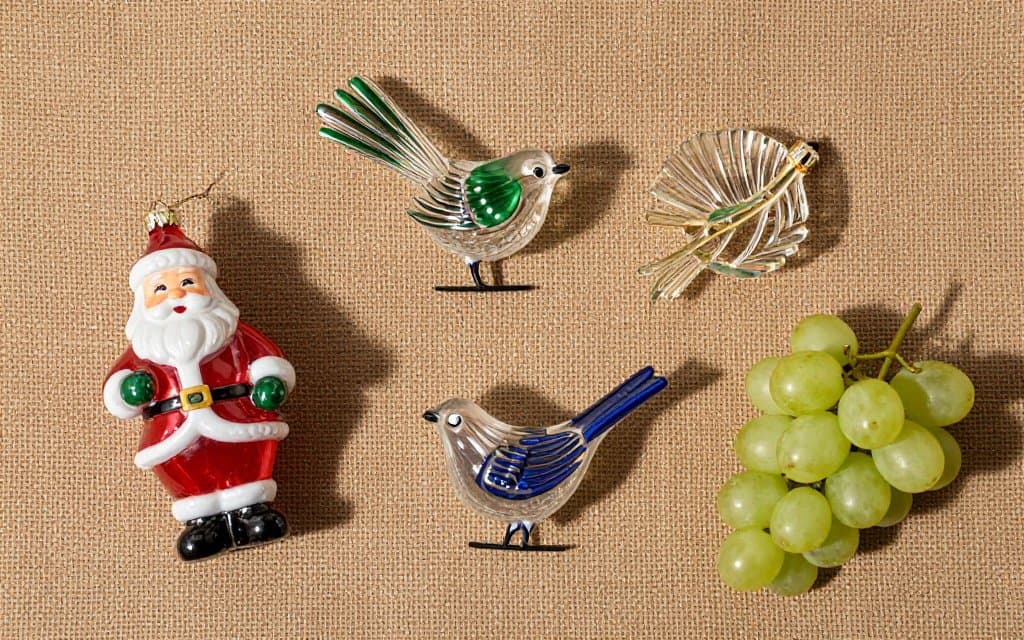
Figural means the ornament is shaped like something, a Santa, a bird, a bunch of grapes, rather than a plain ball. This is where the money hides. A pre-war German glass Santa in the three to four inch range runs $100 to $400, while a small 1930 Santa head might bring $30 to $40.
Birds with spun glass tails, heavy walled Kugel balls, and Dresden pressed paper animals all sit near the top of the market. Antique glass Santa ornaments with the paint intact and the first cap still on are the kind of find that turns a $5 box into a car payment.
| Ornament | Era | Value |
|---|---|---|
| Figural glass Santa | Pre-1945 | $100 to $400 |
| Small German Santa | About 1930 | $30 to $40 |
| Bird with spun tail | Pre-1945 | $150 to $600 |
| Kugel ball | Pre-1920 | $50 to $300 |
| Lauscha figural | Pre-1900 | $200 to $2,000 |
| Dresden 3D animal | Pre-1900 | $200 to $1,000 |
Shiny Brite and Vintage Glass Ornaments - WVH #25
What condition does to the price
Condition swings these values more than almost anything else. A vintage Santa glass ornament that looks bright and complete sits at the top of its range. Add flaking paint or a chip and the number drops in a hurry.
Collectors use a rough shorthand that dealer value guides back up. Ten percent paint loss can knock 60 to 70 percent off a figural piece, and a Santa with a missing nose falls by about the same. The original box works the other way, lifting value 25 to 50 percent on common pieces and up to double on early ones.
Ten percent paint loss can drop a figural ornament 60 to 70 percent, so a clean example is always worth hunting for.
- •Flaking or repainted areas gut the resale price
- •A missing nose or hand on a figural cuts value hard
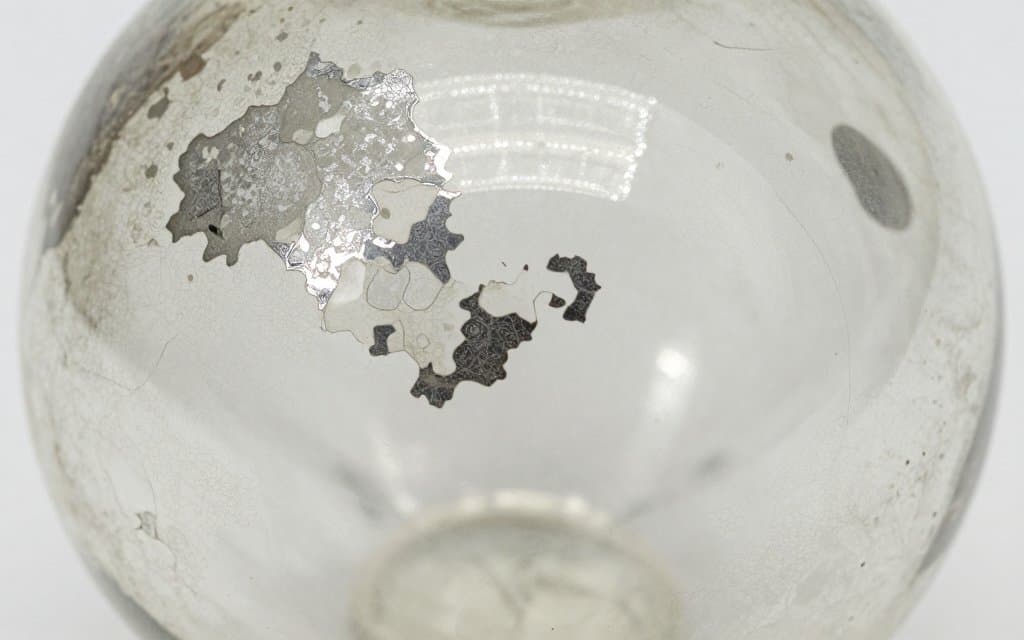
- •Cloudy silvering inside means age but a duller shine
- •Hairline cracks make an ornament tough to sell at all
- •Replaced caps and modern hooks lower collector trust
What vintage Christmas ornaments value comes down to at resale
When you price a lot, sort by brand and form first. Plain Shiny Brite Christmas ornaments run $5 to $30 each, a plain boxed set of nine brings $25 to $35, and glitter examples reach $70 to $90. Stenciled scenes usually land around $15 to $22.
Boxed sets from 1957 onward, still complete, sell for $90 to $110, while later Poloron era boxes bring $20 to $35. Sets hold value better than singles, so resist the urge to split a clean box just to move pieces faster.
| Type | Condition | Price |
|---|---|---|
| Single plain bulb | Good | $5 to $30 |
| Plain set of nine | Boxed | $25 to $35 |
| Glitter design | Bright | $70 to $90 |
| Stenciled scene | Clean | $15 to $22 |
| Boxed set 1957 up | Complete | $90 to $110 |
Where to find them and how to check value fast
The best vintage Christmas decorations still turn up where older families downsized. Estate sales, church rummage tables, and post holiday thrift bins are full of vintage Christmas balls and figural pieces priced like junk. Buy the whole box when the math works.
- •Estate sales in older homes hide boxed sets
- •Thrift store bins right after the holidays
- •Church rummage sales and senior downsizing moves
- •Garage sales where boxes are marked one dollar
- •Online lots sold as untested mixed ornaments
Before you pay, it helps to know the real market number. Snap a photo with Thrift Scanner and it identifies the piece and shows recent sold prices, so you are not guessing at the register. You can also browse related glass finds like carnival glass and depression glass, or check any item on thrifting.app.
Common questions about vintage glass ornaments
Are old Christmas ornaments worth anything?
Many are. Plain mid-century glass bulbs sell for a few dollars, but pre-war German figural pieces and complete boxed sets reach $100 or more. The value depends on age, brand, condition, and whether you still have the original box.
How can I tell if my ornament is Shiny Brite?
Check the cap and the stamp. Genuine antique Christmas ornaments from this maker carry metal or plastic caps marked Shiny Brite, Made in USA, and the glass is thin and machine made. Wartime examples wear plain cardboard caps over clear, uncoated glass.
Do vintage Christmas ornaments need the original box?
They sell better with it. A complete box can lift value 25 to 50 percent on common sets and can double the price on early examples. Even a worn box with the right graphics helps buyers trust the age.
What makes a glass Santa ornament valuable?
Age, subject, and condition. A hand blown German Santa from before 1945 with crisp paint and its first cap is the sweet spot, and rare early Lauscha figures can pass $2,000. Damage, repaint, and replaced caps pull the number down fast.
Ready to stop guessing at the thrift store and start spotting the glass Santa that pays for the trip? Thrift Scanner identifies vintage ornaments from a single photo and shows real sold prices, so you buy smart and never overpay. Get the app here: iOS or Android.