


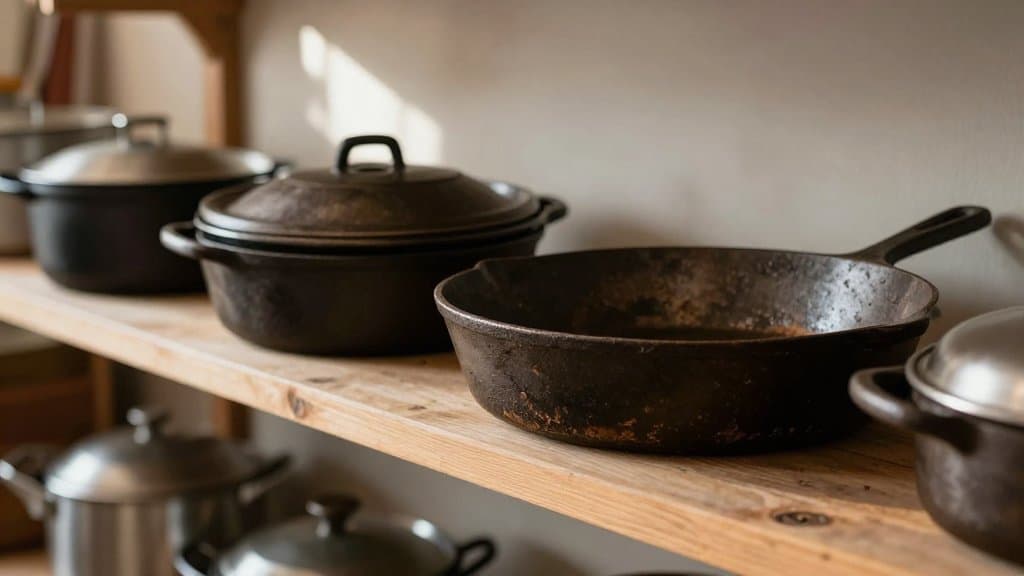
Most people walk right past the cast iron table at a thrift store, and that is exactly where the mistake happens. A plain looking iron skillet that costs $8 on the shelf can sell for $185 to a collector, and the rare pieces climb into four figures. In December 2024 a Griswold number 14 skillet with a front pour spout sold at auction for $3,249.
The whole difference sits on the bottom of the pan. Flip it over and the maker marks, the size number, and a few casting clues tell you the brand, the decade, and roughly what the piece is worth. Learn to read them and an antique cast iron skillet stops being kitchen clutter and starts being inventory. Miss them and you either overpay or leave real money on the shelf, the same way people walk past the finds in our antique bottle value guide.
Why the bottom of an iron skillet is where the money is
Start with the pan flipped over in your hands. American makers stamped their name, city, and a pattern number dead center on the underside. Off brands and modern imports usually leave that space blank or drop in a country of origin instead. No center mark is not a dealbreaker, but a clear maker mark is the fastest yes at a busy sale.
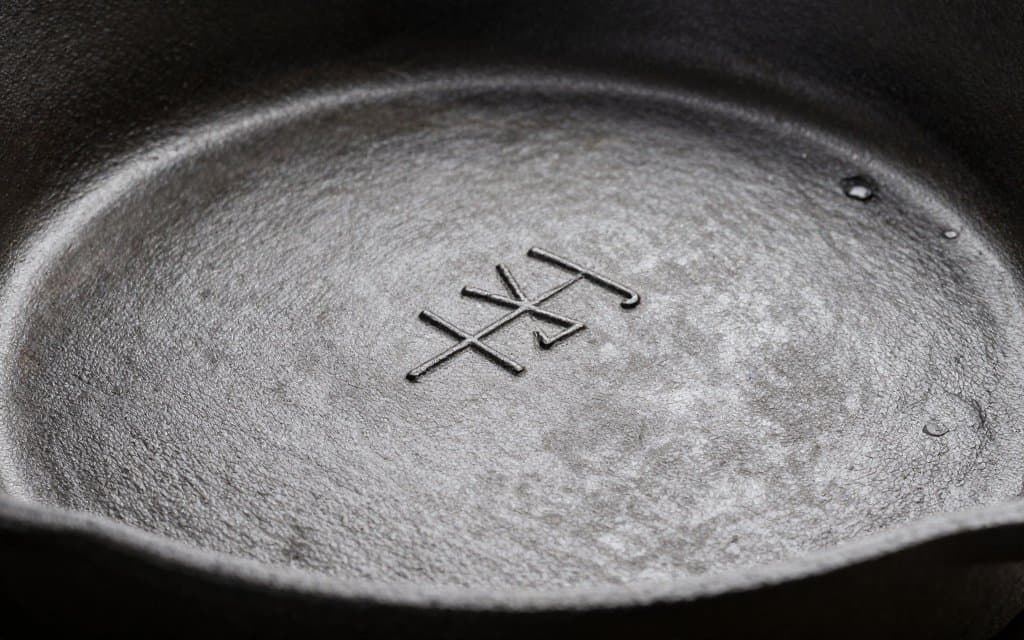
Two casting clues date a piece before you even find a logo. A raised scar running across the base, which collectors call gatemark cast iron, points to production before roughly 1890. A raised heat ring, the circular ridge around the outer edge, shows up on older wood stove era pans and usually means pre 1950s. A smooth polished cooking surface also points to older casting, while the pebbly texture on newer pans came later.
- •Maker name stamped in the center underside
- •A size number such as 3, 8, or 10 cast in
- •Gate mark scar that means pre 1890 casting
- •Raised heat ring that points to pre 1950s
- •Smooth polished surface, not a pebbly one
How to read Griswold cast iron logos by era
Griswold ran out of Erie, Pennsylvania, and its logo changed enough over the decades to work like a date stamp. The early slant script with ERIE underneath runs from the late 1800s into the early 1900s. The block logo covers the 1920s to the 1940s. The smaller logo took over in the 1940s and lasted until the company was sold in the 1950s.
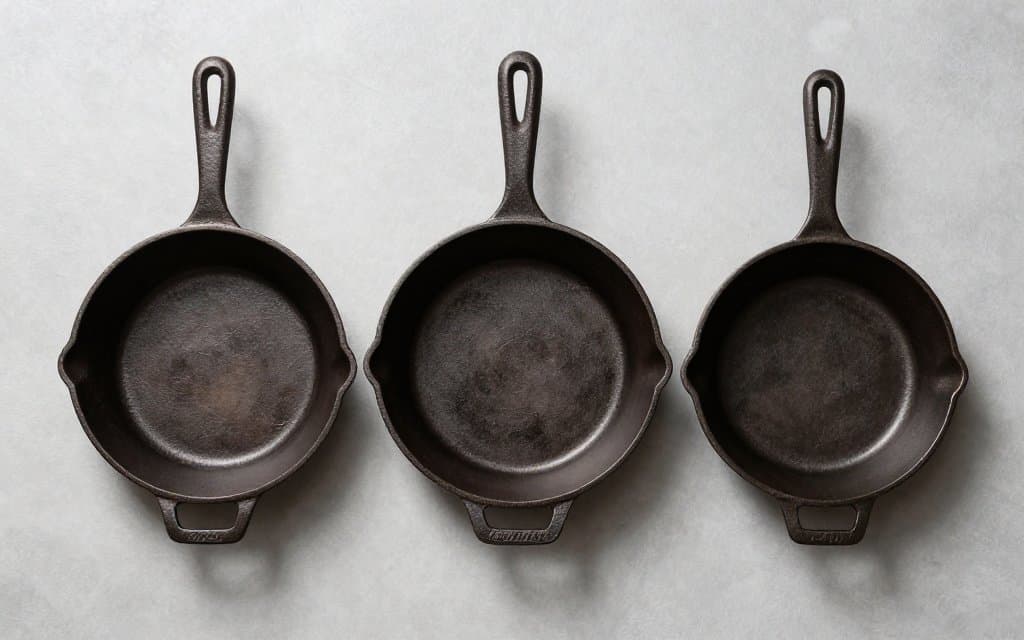
Size and logo together set the price. A number 8 with the large block logo has sold around $285, while the same size with the common small logo trades closer to $40. That one detail is the gap between a nice lunch and a genuine flip. A full griswold cast iron price guide breaks it down pattern by pattern, but the logo era alone gets you most of the way there.
| Logo | Era | Value signal |
|---|---|---|
| Slant ERIE | Late 1800s to early 1900s | Top tier, four figures possible |
| Block logo | 1920s to 1940s | Strong, $80 to $400 range |
| Small logo | 1940s to 1950s | Common, $25 to $80 each |
One Griswold spider skillet stamped ERIE sold at auction for $10,000, the highest price on record for an American cast iron pan.
Wagner cast iron and the Sidney O mark
Wagner Ware came out of Sidney, Ohio, and most pieces read WAGNER with SIDNEY and a stylized O below. The arc logo Wagner used ran from the 1890s into the 1950s. Wagner iron is every bit as good to cook on, which is why plenty of resellers love it, but it usually sells for 30 to 50 percent less than a comparable Griswold. A Wagner number 8 that brings $185 can sit right next to a Griswold twin at $285.
Reading unmarked Wagner Ware cast iron skillet markings
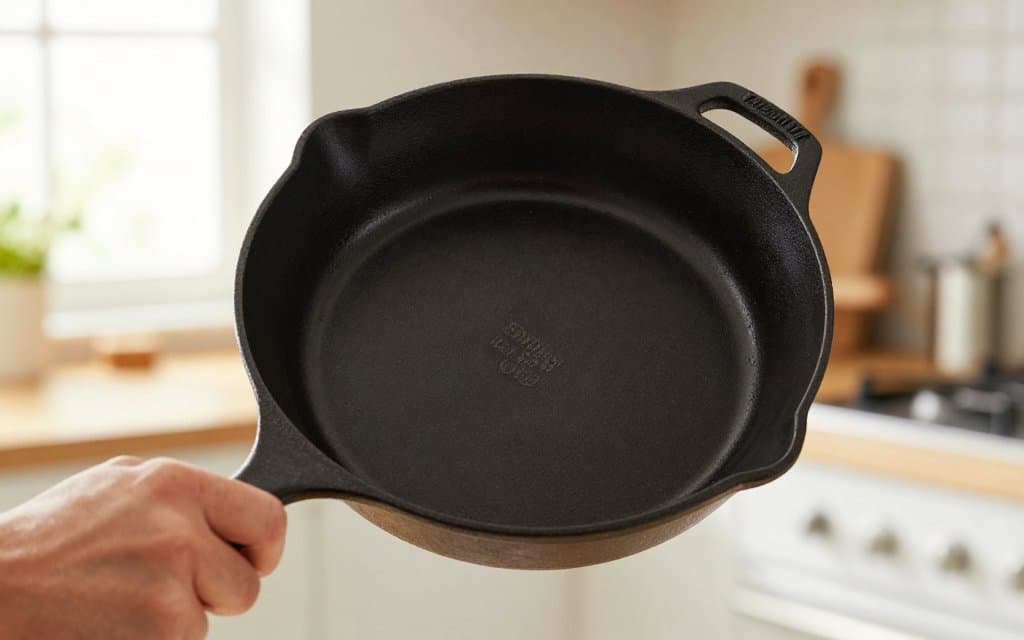
Plenty of good Wagner pans left the factory with faint or partial marks. When the name is worn off, resellers lean on shape: a thin, light wall, a small heat ring, and a slightly larger pour lip on one side. A Wagner number 8 weighs less than a chunky modern Lodge of the same size, so heft alone is a decent first tell.
- •WAGNER over SIDNEY with a stylized O mark
- •Thin, light walls next to modern pans
- •Smooth cooking surface with a small heat ring
- •Sells 30 to 50 percent under Griswold prices
What condition does to the price you can get
Condition swings the number more than most beginners expect. Sellers price off a rough $35 to $400 band for common vintage pieces, then apply a condition multiplier. Excellent pans in that band clear about 1.0 to 1.2 times the base. Fair pans with pitting or a dull surface drop to 0.25 to 0.4 times, so the same pan can be an $87 piece or a $262 piece depending on the cooking surface.
The math is why cast iron is such a friendly flip. A typical vintage pan costs $3 to $15 on a thrift shelf and resells around $35 to $400, with an average net profit near $50 after fees. That is the same buy low, read the marks, sell smart pattern behind our sterling silverware value guide, where a single hallmark separates scrap weight from a real payday.
| Piece | Thrift | Sold |
|---|---|---|
| Wagner Ware Sidney O No. 8 | $12 | $185 |
| Griswold large block No. 8 | $15 | $285 |
| Erie pre Griswold No. 8 | $12 | $395 |
| Lodge 3 notch pre 1970 | $8 | $75 |
Rule of thumb: a smooth, crack free cooking surface can double what a rusted, pitted version of the very same pan brings.
Collecting 101: Cast Iron Cookware! Griswold Wagner History Popularity & Value! Episode 3
Rare sizes and pieces that bring the big money
Size number is the other lever. Everyday cooks used numbers 6 through 9, so those are common and cheap. The oddballs are where collectors spend: tiny number 1 and 2 pans, the large number 13 and 14, oversized hotel skillets, and specialty shapes. A Griswold number 8 weighs about 4 pounds, a handy baseline when you are guessing size by feel. It is the same jump we covered in our McCoy pottery value guide, where the rare mold is worth ten times the common one.
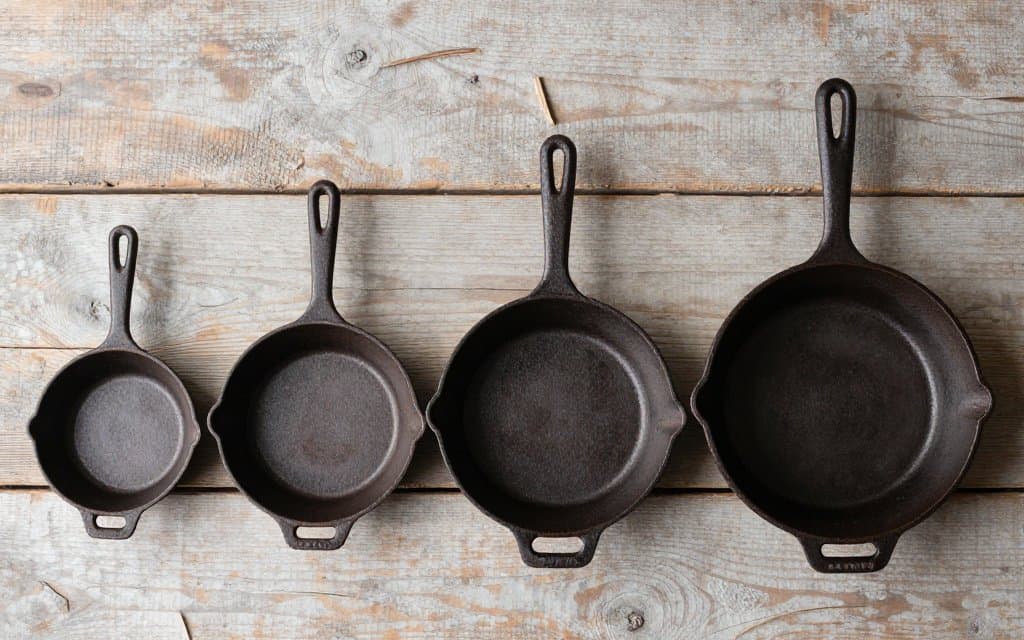
The auction record book makes the point. A Griswold number 14 with a front pour recently sold for $3,249, a number 13 slant logo for $2,799.99, and a 20 inch hotel skillet for $1,799. Wagner is not far behind, with a Wagner Ware number 13 hammering at $949. Even a small Griswold number 80 double skillet cleared $399. You can dig through comparable results in a public auction price roundup before you commit a dollar.
- •Number 1 and 2 pans, small and scarce
- •Number 13 and 14, large and pricey
- •Hotel skillets around 20 inches wide
- •Front pour spouts and other odd shapes
A common number 8 pays for lunch. A number 14 or a spider skillet can pay a month of rent.
How to price a cast iron find before you buy
Before you hand over cash, run a quick three step read: confirm the maker mark, note the size number, and judge the cooking surface. Then check what real pieces actually sold for, not the hopeful asking prices taped to the handle. If squinting at faint casting is not your thing, the Thrift Scanner app does the read from a photo and pulls live sold comps, so you can decide in the aisle. It is the same instant check that powers the rest of our thrifting guides.
One habit separates people who profit from people who hoard: buy for the brand and the surface, not the story. A shelf of dusty vintage cast iron can hide one $300 Griswold among ten $25 pans. Good cast iron cookware also cleans up beautifully, so do not skip a rusty piece with a great mark, since that $12 Erie number 8 that resold for $395 was almost certainly ugly on the shelf.
- •Buy: a clear Griswold or Wagner maker mark
- •Buy: smooth surface, no cracks or warping
- •Skip: deep pitting that will not season out
- •Skip: a modern import with a blank bottom
Common questions about cast iron skillet identification
How can you tell how old a cast iron skillet is?
Read the clues in order. A gate mark scar means pre 1890, a raised heat ring usually means pre 1950s, and a smooth polished surface points to older casting than a rough, pebbly one. Then match the maker logo to its era. A Made in USA stamp only became standard after the 1960s, so its presence signals a newer pan.
Is unmarked cast iron worth any money?
Yes, often. Many Wagner and Birmingham Stove and Range pans shipped with light or missing marks, and collectors still pay for them once the shape and surface confirm the maker. An unmarked but smooth, well balanced pan can still bring $40 to $80. It just will not command the premium a clearly stamped griswold cast iron piece does.
What is a gatemark on cast iron?
A gatemark is a raised line or scar left where molten iron was poured into the mold and later snapped off. Foundries stopped using bottom gates around 1890, so gatemark cast iron is a reliable sign of a very old piece. On the right pan it adds real collector value on top of the maker premium.
Are Griswold and Wagner worth more than Lodge?
Usually, yes. Pre 1957 Griswold and Erie pieces can bring five to ten times a comparable modern Lodge, and mid century Wagner runs three to five times. Lodge still holds value in older three notch pans, but the premium names drive the top of the market. This antique cast iron skillet identification guide leans on those makers for that reason.
Ready to stop guessing at the thrift store and start spotting the $300 pan in a $25 pile? Thrift Scanner identifies the maker, dates the casting, and shows real sold prices the moment you photograph a piece, so you never overpay or walk past a gem again. Get the app here: iOS or Android.