


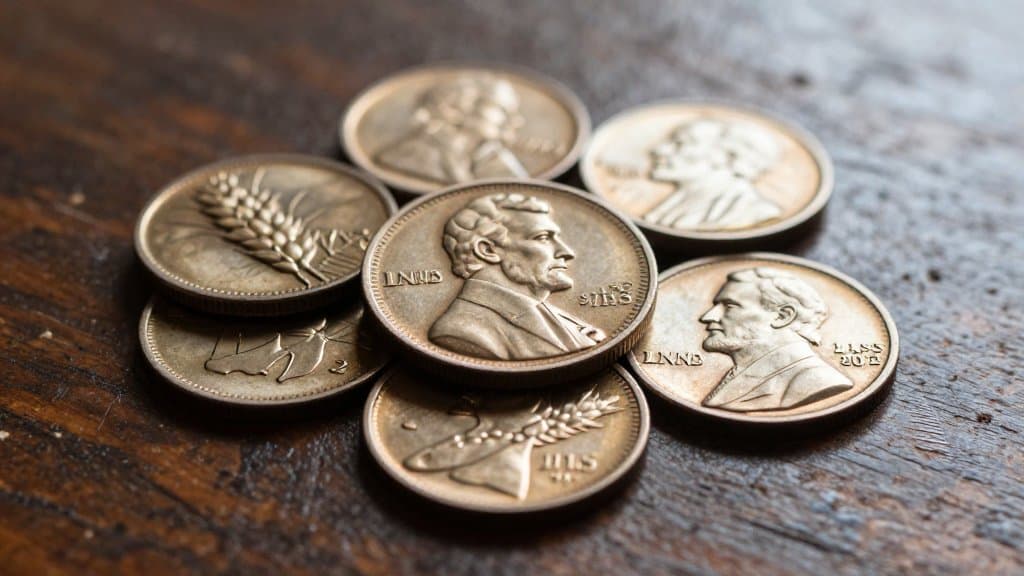
Most wheat pennies sitting in an old coffee can are worth about a nickel. A few sell for more than a used car, and the wheat penny value gap comes down to two things you can read in seconds: the year on the front and the small mint mark under the date.
That gap is the whole game. Figuring out how much is a wheat penny worth turns a dull jar of change into a five minute sort, because the rare ones look almost identical to the common ones. Before you spend a Lincoln cent or pour the jar into a Coinstar, check the dates against the short list collectors actually chase.
Why wheat penny value is mostly about the date
The United States Mint made Lincoln wheat cents from 1909 through 1958, so more than a billion are still floating around. The Lincoln wheat penny value range runs from a few cents to a small fortune, and that spread is the fun part. Common dates from the 1940s and 1950s in worn shape trade for a few cents each, and that is fine. The money lives in the low mintage years and the famous mistakes.
Two coins with the same design can be miles apart in price. A 1948 penny might buy you a gumball. A 1909-S VDB penny in the same drawer can cover a month of rent. Same portrait, same wheat ears on the back, wildly different wheat penny value, and the date is what splits them.
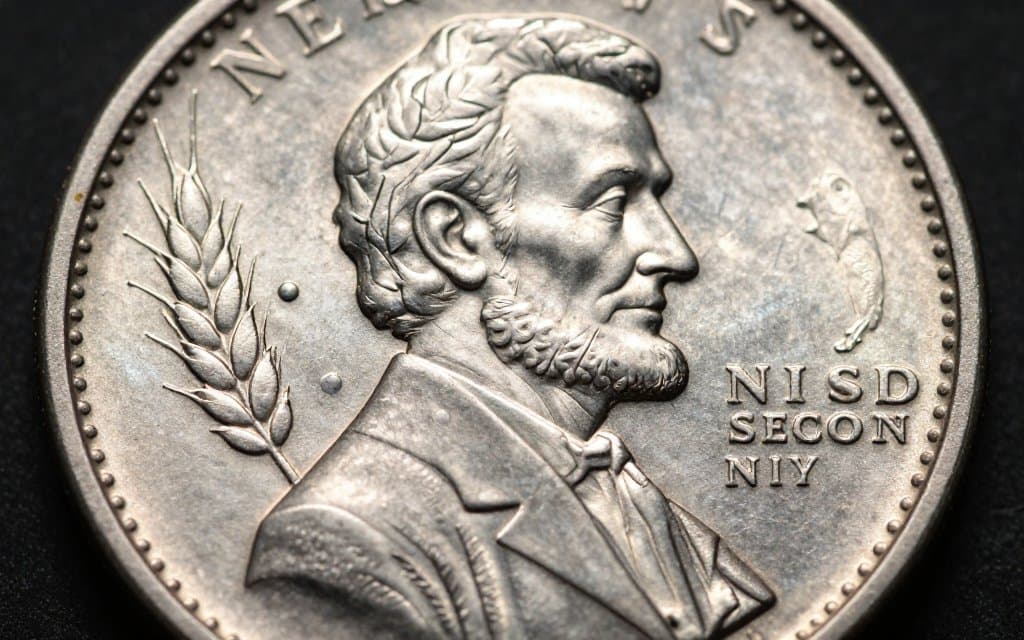
A worn 1909 penny with no mint mark is common. Add an S mint mark and the designer initials and you are holding one of the most valuable wheat pennies in the whole series.
How to read wheat penny mint marks
Flip the coin so the date reads upright and look just below the year. A blank spot means Philadelphia, which struck no mint mark in this era. A small D means Denver, and a small S means San Francisco. Those two letters are where most of the surprises come from.
San Francisco and Denver ran smaller batches in several years, so their coins are scarcer. That is why a plain 1914 penny is pocket change while a 1914-D is a key date. Learning to spot wheat penny mint marks is the single fastest way to pull a winner out of a pile of change.
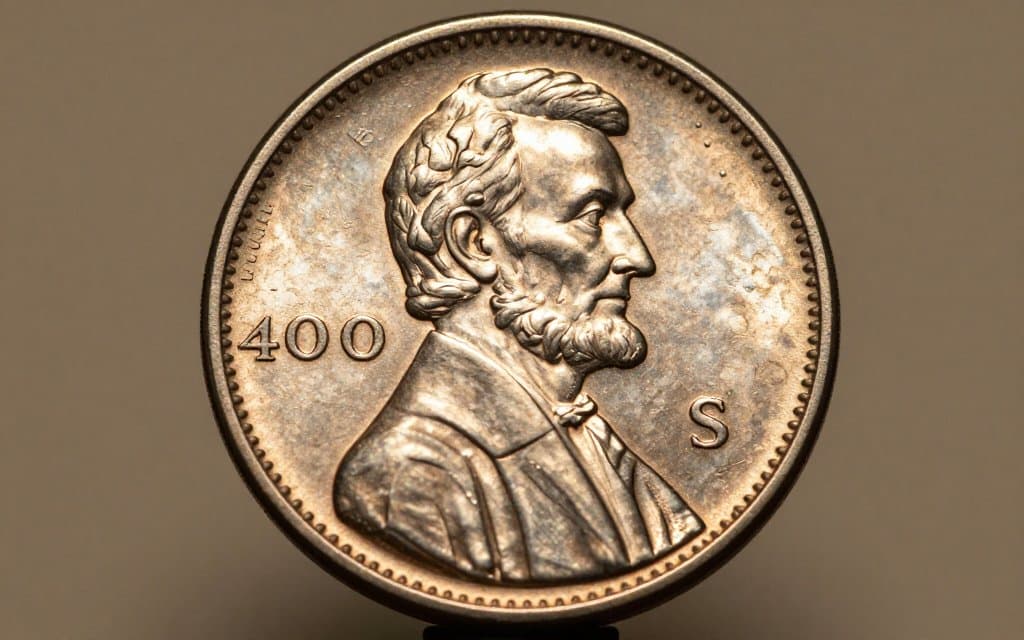
- •The four digit year sits under Lincoln's chin
- •The mint mark hides just below the date line
- •No letter means Philadelphia struck the coin
- •A D or S mark can multiply the price fast
The key dates behind rare wheat pennies
Collectors talk about the Big Three: the 1909-S VDB, the 1914-D, and the 1931-S. Each had a small mintage, and each carries a mint mark. The 1909-S VDB had only 484,000 struck before the designer initials were pulled from the reverse, which is why the 1909-S VDB penny value stays high even in rough shape.
Two die varieties round out the short list. The 1922 plain cent, where a worn Denver die left the D off, runs from about $800 to $1,800 in collectible grades. The 1955 doubled die shows clear doubling in the date and lettering and sells from roughly $700 into five figures. These are the rare wheat pennies worth hunting for.
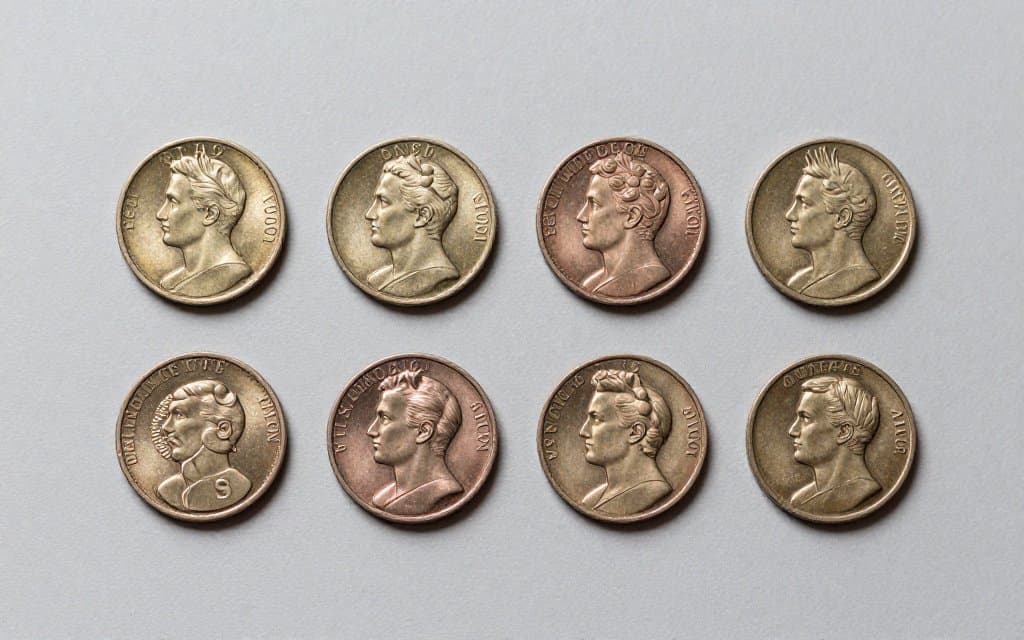
The 1909-S VDB, the crown jewel
The 1909-S VDB is the coin most people mean when they ask about rare pennies. Victor David Brenner signed the first Lincoln cents with his initials on the back, the public complained, and San Francisco struck only 484,000 before the change. Circulated examples commonly bring $400 to $650, and bright uncirculated pieces reach well into the thousands.
| Coin | Mintage | Circulated value |
|---|---|---|
| 1909-S VDB | 484,000 | $400 to $650 |
| 1909-S | 1.8 million | $100 to $150 |
| 1914-D | 1.19 million | $200 to $450 |
| 1922 no D | Scarce variety | $800 to $1,800 |
| 1931-S | 866,000 | $80 to $120 |
| 1955 doubled die | Low survival | $700 to $2,000 |
Grade matters as much as date. A key coin with sharp detail and red color can be worth several times the same date worn smooth and brown.
Key Date Wheat Pennies to Look For Worth Good Money
The 1943 steel penny value and its rare copper twin
In 1943 the Mint needed copper for the war, so it struck cents in zinc coated steel. More than a billion were made and they look silver. The everyday 1943 steel penny value is small, usually 20 cents to 50 cents worn and a few dollars if bright and uncirculated.
The prize is the error. A few 1942 bronze blanks slipped into the presses in 1943, creating the copper 1943 cent. Only about two dozen are known, one sold for $1.7 million in 2010, and even a plain example carries a six figure 1943 copper penny value, per Gainesville Coins. The catch is that fakes are everywhere, so the copper story needs a test.
| Penny | How rare | Value |
|---|---|---|
| 1943 steel | Over 1 billion | 20 to 50 cents |
| 1943 copper | About two dozen | $100,000 plus |
| 1944 steel | About seven known | $75,000 to $400,000 |
Steel sticks to a magnet. A real 1943 copper cent does not, and it weighs about 3.1 grams instead of the steel cent's 2.7.
What common wheat pennies worth money really bring
Here is the honest part. The odds that a random jar holds a 1909-S VDB are low. Most wheat cents you find are common dates worth money only in bulk, roughly 3 to 5 cents each, and dealers buy them by the pound. Still, sorting pays, because one key date covers years of nickels.
Wheat penny values by year follow a rough pattern. Dates before 1934 tend to bring a small premium even when common, teens and twenties S and D coins are worth a close look, and anything from the 1940s and 1950s is usually common unless it is an error. Just like valuable comic books come down to a few key issues, wheat cents come down to a few key dates.
- •Common 1940s and 1950s dates: about 3 to 5 cents
- •Nicer pre 1934 coins: often 25 cents to a few dollars
- •Key dates and errors: hundreds to many thousands
How to check a wheat penny without guessing
You do not need to memorize the whole series. Start with the date and mint mark, then confirm anything promising with a scale, a magnet for 1943 cents, and a look at the coin's wear. Condition drives the final number, so handle key coins by the edges and never clean them, because a scrubbed coin loses most of its value.
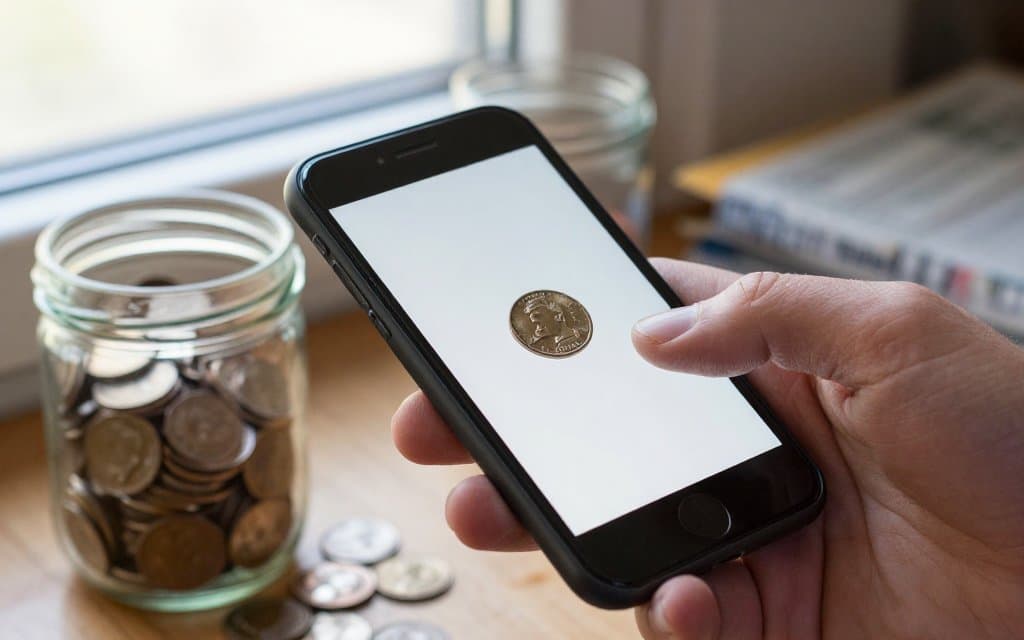
This is where your phone earns its keep. Snap a photo with Thrift Scanner and it identifies the coin and pulls real sold prices, so you can sort a jar at the thrift store counter instead of guessing. The same trick works on sterling silver and other finds, and you can see the full toolkit at thrifting.app.
- •Read the date and the mint mark before anything
- •Weigh odd 1943 cents, copper runs a bit heavier
- •Hold key coins by the edges and never polish them
- •Compare against recent sold listings online
Wheat penny questions people actually ask
Are wheat pennies worth anything?
Yes, but most are worth only a few cents. The value gets real once you find a key date or an error, and even common wheat cents beat a modern penny because collectors and dealers always want them in bulk. If you are wondering whether other old items are worth anything, the same date and maker logic applies.
How much is a wheat penny worth?
A typical worn wheat cent brings about 3 to 5 cents, a nicer pre 1934 coin can bring 25 cents to a few dollars, and a key date or error runs from hundreds into the thousands. The exact number depends on the date, the mint mark, and the grade, so always check a specific coin against recent sales rather than a catalog list.
Which dates make the most valuable wheat pennies?
Start with the 1909-S VDB, the 1914-D, the 1931-S, the 1922 plain, and the 1955 doubled die. Add the 1943 copper cent if you ever find one that fails the magnet test. Those few coins account for most of the wheat pennies worth money that turn up in old collections and estate boxes.
Ready to stop guessing and start spotting the winners in the jar? Thrift Scanner reads the date, mint mark, and condition, then shows real market value from actual sold listings, so you never overpay or sell a key date short. Get the app here: iOS or Android.