


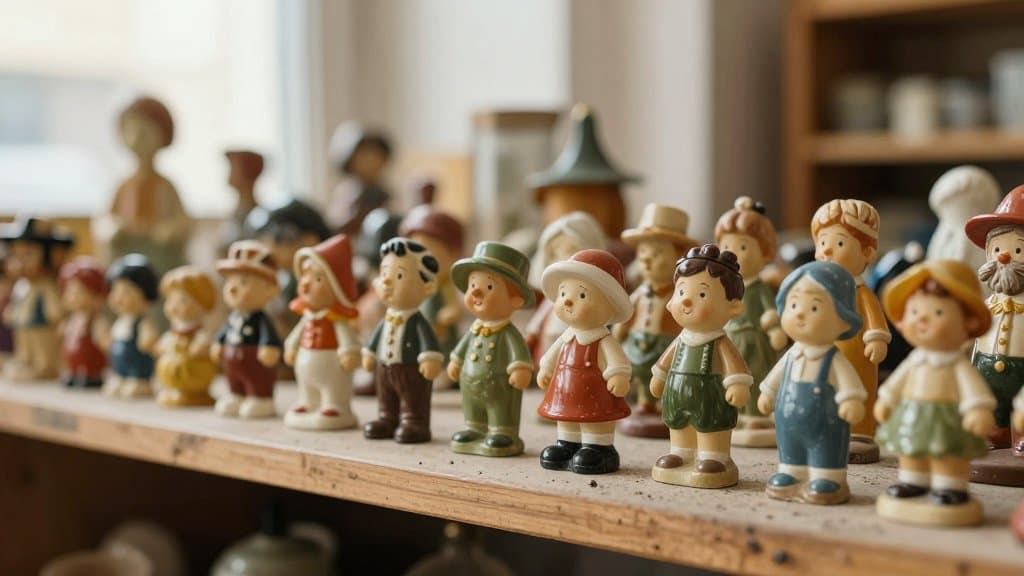
Walk past almost any thrift store shelf and you'll spot them, those rosy-cheeked German children in lederhosen and pinafores. The question every picker whispers is the same one, are Hummel figurines worth anything, or are they just dust collectors priced like gold? The honest answer is that most bring a few dollars, while a rare handful sell for the price of a used car.
That gap is enormous. A common piece from the 1980s might fetch $15 on a good day, yet the most valuable Hummel figurines have topped $20,000 at auction. The real driver of hummel figurines value isn't the scene on the front, it's the age and rarity stamped underneath. So flip one over before you ever glance at the price tag.
So are Hummel figurines worth anything now
Here's the part that stings longtime collectors. The Hummel market peaked in the 1980s and 1990s, when buyers paid full retail and expected values to keep climbing. They didn't. Today most figurines made after 1972 sell for $10 to $50, and boxed examples often sit unsold at estate sales. Demand slid as the original collectors aged out, so supply now dwarfs the buyers.
Most Hummels made after 1972 sell for $10 to $50, no matter how sweet they look sitting on the shelf.
So are Hummels worth anything at all? Absolutely, but only the right ones. Early pieces and short production runs still command serious money, and a single lucky find can pay for a year of thrifting. The trick is telling a $12 figurine from a $12,000 one in the ten seconds you get in the aisle, and that starts with the base.
Reading the Hummel marks on the base
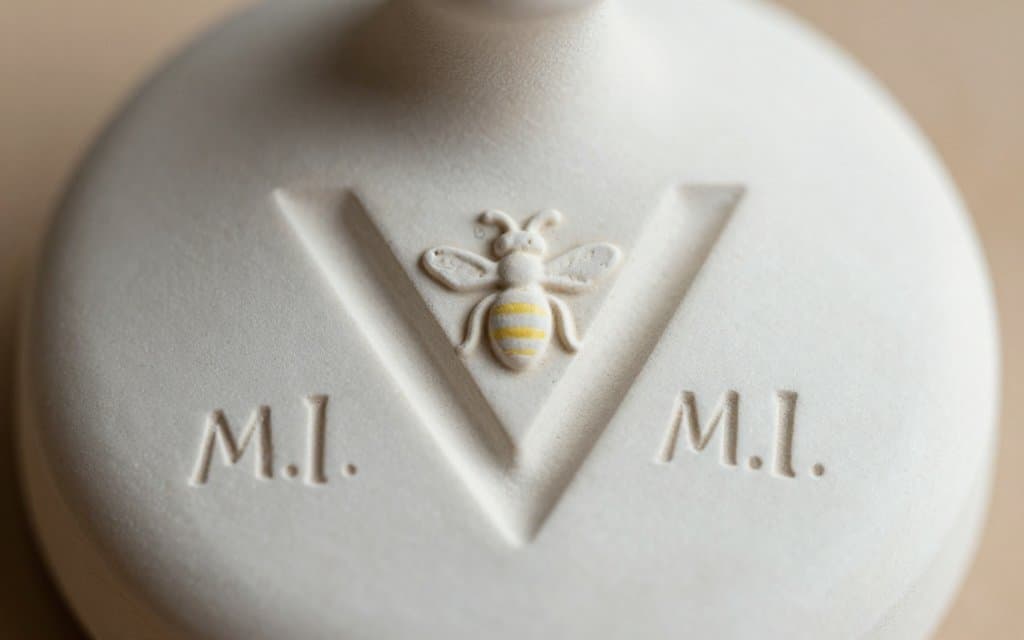
Turn the figurine upside down. Genuine pieces carry an incised M.I. Hummel signature, a mold number somewhere between 100 and 2000, and a Goebel trademark shaped like a bee, a crown, or the company name. If none of those show up, you're probably holding a fake or a cheap knockoff. That trademark, called a TMK, is the single biggest clue to when the piece was made and what it's worth.
Where to find the trademark mark
The mark sits on the bottom, either carved into the clay or stamped in black or blue ink. Earlier marks were incised, later ones printed. A crown paired with the letters WG points to the earliest years, while a bee tucked inside a V shows the classic postwar era. Match the mark to its date range and you've dated the piece within a few years.
- •Flip it over and read the incised mold number
- •Look for the M.I. Hummel signature on top
- •Find the bee, crown, or Goebel name mark
- •Match that mark to its production years
- •Check the base rim for chips and hairlines
| Trademark | Years | Resale reality |
|---|---|---|
| Crown Mark (TMK-1) | 1935-1949 | Rare pieces to $32,000 |
| Full Bee (TMK-2) | 1950-1959 | Top pieces $5,000 plus |
| Stylized Bee (TMK-3) | 1960-1972 | Mostly $40 to $300 |
| Last Bee (TMK-5) | 1972-1979 | Mostly $15 to $60 |
| Missing Bee (TMK-6) | 1979-1991 | Mostly $10 to $50 |
Age is the whole game. A Crown Mark from the 1930s can be worth 5 to 20 times the same figurine made after 1979, according to one detailed Hummel value guide. That single stamp can lift a Hummel figurine worth a few dollars up to several thousand. When two pieces look identical on the shelf, the mark breaks the tie every time.
The mark on the base tells you far more about the price than the painted scene on the front ever will.
The most valuable Hummel figurines and their prices
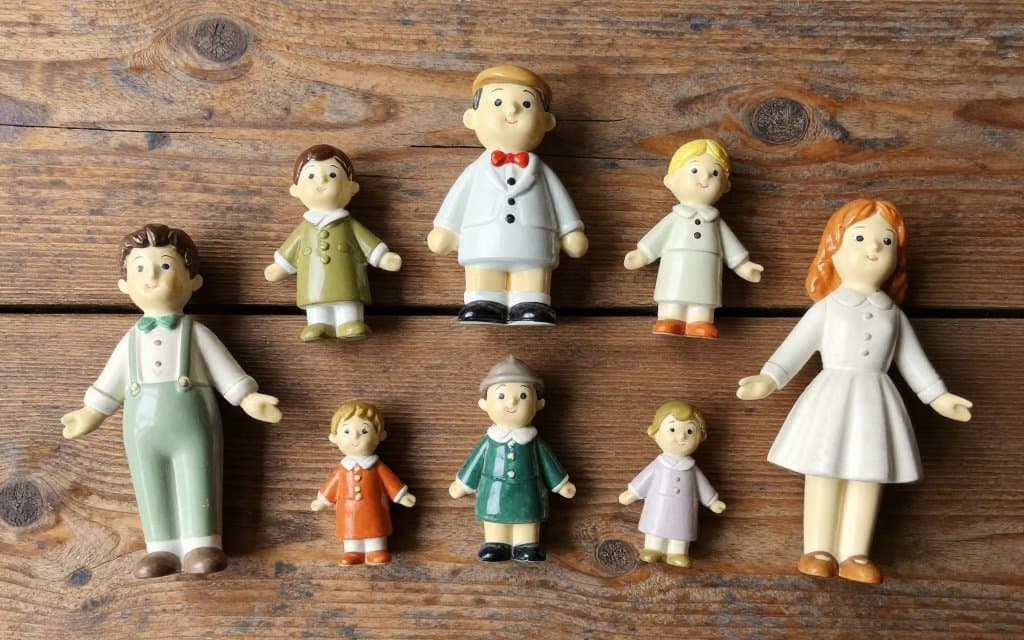
A few names show up on nearly every top 10 most valuable Hummels list. The large Apple Tree Boy and Apple Tree Girl, mold numbers 141 and 142, have sold in the $15,000 to $32,000 range. Adventure Bound, number 347, and Ring Around the Rosie, number 348, both reach five figures with early marks. These are the most expensive Hummel figurines, and they share two traits, an early trademark and an unusually large size.
| Figurine | Mold | Top value |
|---|---|---|
| Apple Tree Boy and Girl | 141/142 | $32,000 |
| Merry Wanderer (large) | 7 | $26,000 |
| Ring Around the Rosie | 348 | $15,000 |
| Adventure Bound | 347 | $15,000 |
| Puppy Love | 1 | $10,000 |
| Little Fiddler | 2 | $6,000 |
Rare Hummel figurines usually earn their value from a short run, a factory error, or a design pulled early. It's the same logic that lifts a first-run ponytail Barbie or a key-issue comic book above the pack. Scarcity plus demand, not age by itself, sets the ceiling. A worn common piece stays cheap no matter how many decades it has on it.
What drives Hummel figurine value the most
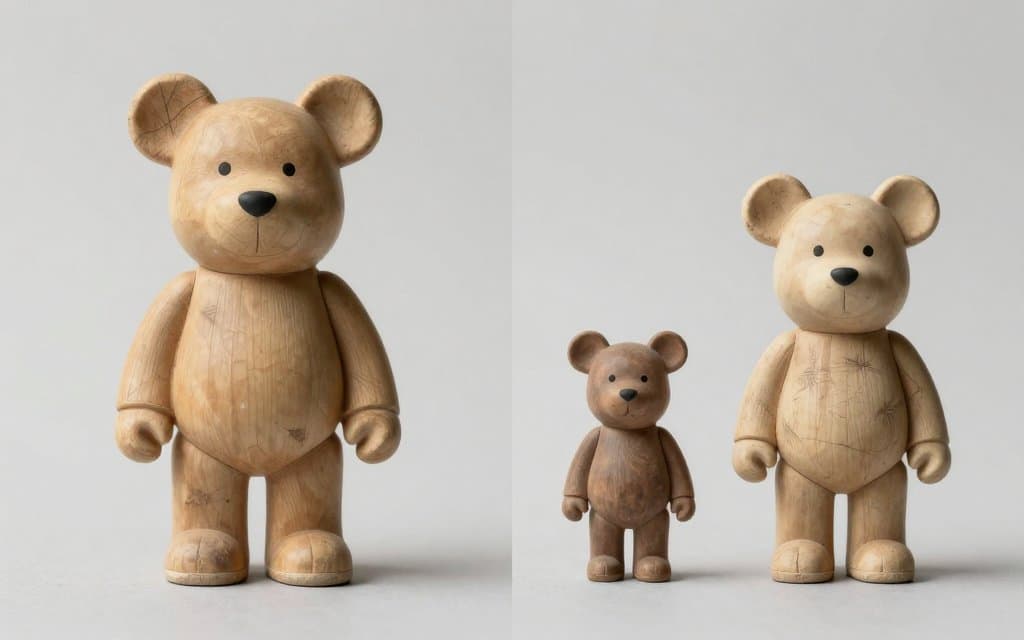
Four things move the number once you've read the mark. Size counts more than people expect, since larger molds from 6 to 32 inches were made in smaller batches. Condition counts just as much, because one chip under the base can cut a price in half. Original boxes and paperwork push the figure higher still, which is why sealed estate finds beat bare shelf pieces.
- •The trademark mark stamped on the base
- •Age, since 1930s and 1940s pieces lead
- •Size, because larger molds are scarcer
- •Condition, as chips and repairs cut value
- •Rarity from short runs and closed molds
Spotting fakes and reproductions
Knockoffs flood flea markets and online listings, so a quick check saves real money. Reproductions tend to have soft, blurry faces, painted-on marks instead of incised ones, and country stamps like China or Japan that Goebel never used on the originals. When the details look mushy and the base feels too clean, treat the price with suspicion and walk if you can't verify the mark.
- •No M.I. Hummel signature anywhere on it
- •A printed sticker in place of an incised mark
- •Made in China or Japan on the base
- •Soft, blurry details in the face and hands
If a figurine has no bee, no crown, and no Goebel name on the base, assume it is not a real Hummel.
Hummel plates, lamps, and value beyond figurines
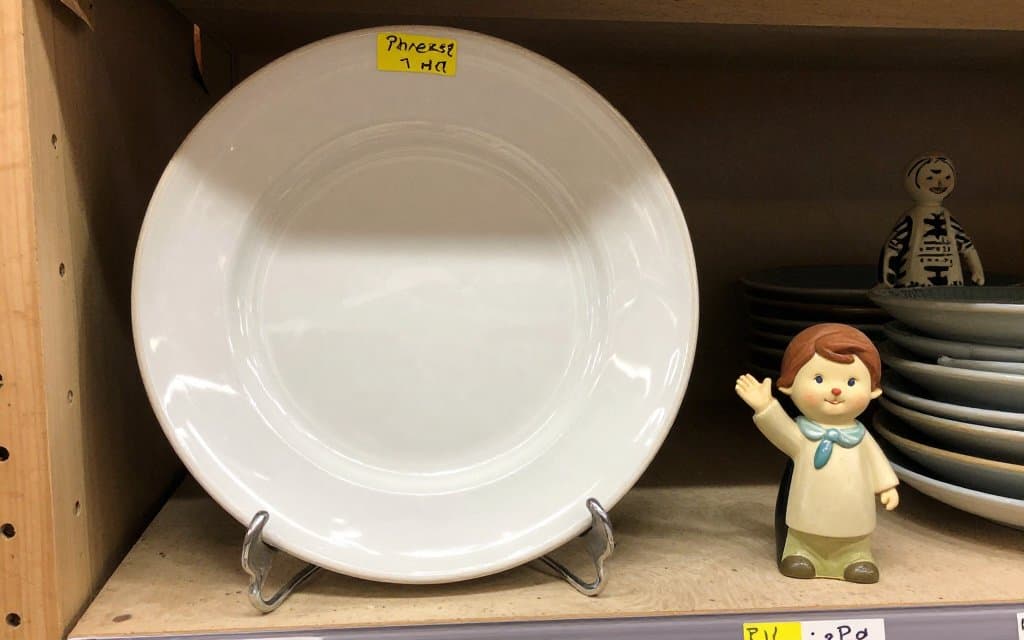
Goebel didn't stop at figurines, and the same rules carry over. Annual Hummel plates values usually land between $5 and $30, with only a scarce first-year plate from 1971 reaching into the hundreds. Lamps, bells, and candy dishes follow the mark and condition the same way. Kitchen and shelf collectibles behave alike here, much as a run of rare vintage Pyrex or a set of sterling flatware can swing from pocket change to real cash on one detail.
Questions thrifters ask about Hummels
Are Hummel figurines worth anything today?
Most are worth $10 to $50, so the common ones won't retire anyone. The value lives in the early marks and the short runs, where prices jump into the thousands. Read the base first, then decide, since a plain shelf full of newer pieces rarely beats the cost of the shelf itself.
Which Hummel marks mean the most money?
The Crown Mark from 1935 to 1949 and the Full Bee from the 1950s carry the strongest prices. Later marks from the 1970s onward are far more common and far cheaper. Any hummel figurine value guide should point you to the trademark first, because that one detail outranks everything else.
How can I tell if a Hummel is real?
Look for the incised M.I. Hummel signature, a mold number, and a bee, crown, or Goebel mark on the base. Sharp, crisp details and a slightly worn bottom point to an authentic piece. Painted-on marks, a China stamp, or fuzzy faces point to a reproduction.
Are Hummel plates worth as much as figurines?
Almost never. The annual plates were made in huge numbers, so most sell for the price of a sandwich. A rare early plate can surprise you, but the big money still sits with the figurines and their early marks.
Ready to stop guessing on the shelf and start pricing like a pro? Point your phone at that dusty figurine and let Thrift Scanner read the brand, the mark, and the real resale value from millions of sold listings before you buy. Snap a photo, get the number, and never overpay for a common piece again. Get the app here: iOS or Android.