


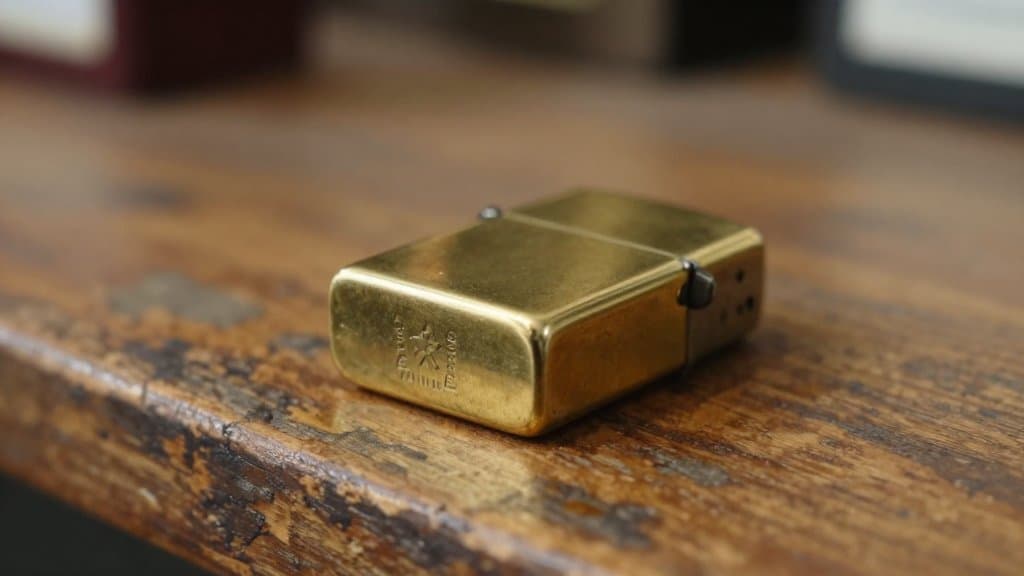
A beat up Zippo tossed in a bin of pocket junk can be worth more than the whole table it sits on. The trick is turning the lighter over. Zippo date codes stamped into the bottom tell you the year it was made, and the year is where most of the resale value hides.
Since the mid 1950s every Zippo has carried one of these marks, first as tiny dots and lines, later as a letter and a number. Learn to read the stamp and you can date a lighter in seconds, tell a 1960s original from a 2015 gift shop piece, and know before you pay whether you hold a five dollar smoker or a few hundred dollars of collectible brass. Zippo date codes are the fastest value check in the case.
What the bottom stamp actually tells you
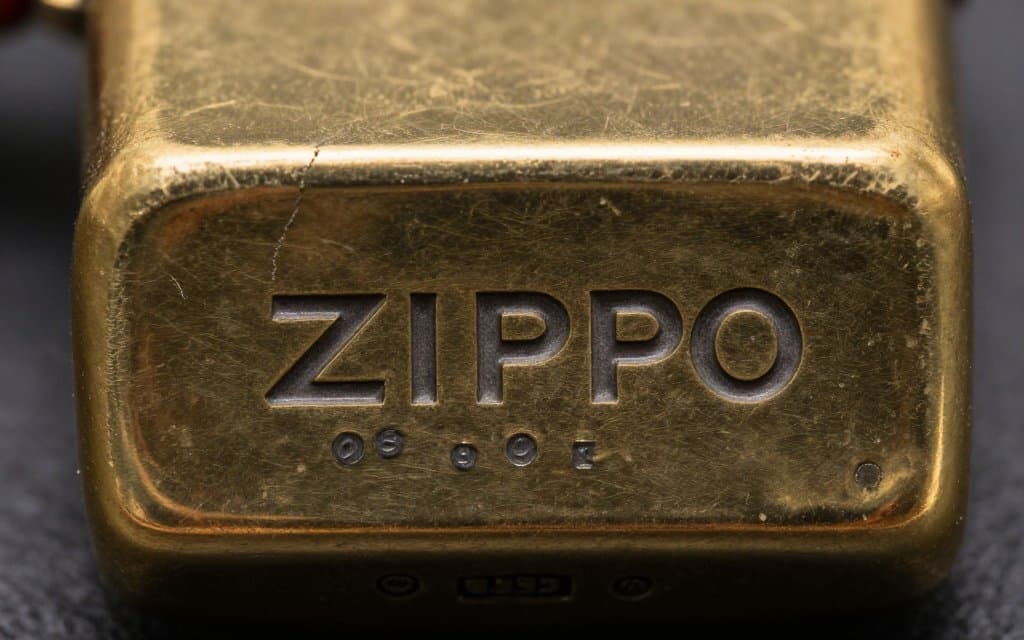
Flip any Zippo and you will see the word ZIPPO, a patent or trademark line, and a small pattern of symbols on the left and right of the logo. That pattern is the calendar. The company started stamping these marks in 1955 for quality control, so a repair shop could trace a lighter back to its build year. Collectors later realised the same code dates a piece for resale.
The stamp does two jobs at once. It proves the lighter is a real Zippo, since the fonts and patent lines changed on a known schedule, and it pins the build to a year or even a month. A vintage Zippo lighter with a crisp, correct base is far easier to sell than one with a worn or wrong stamp.
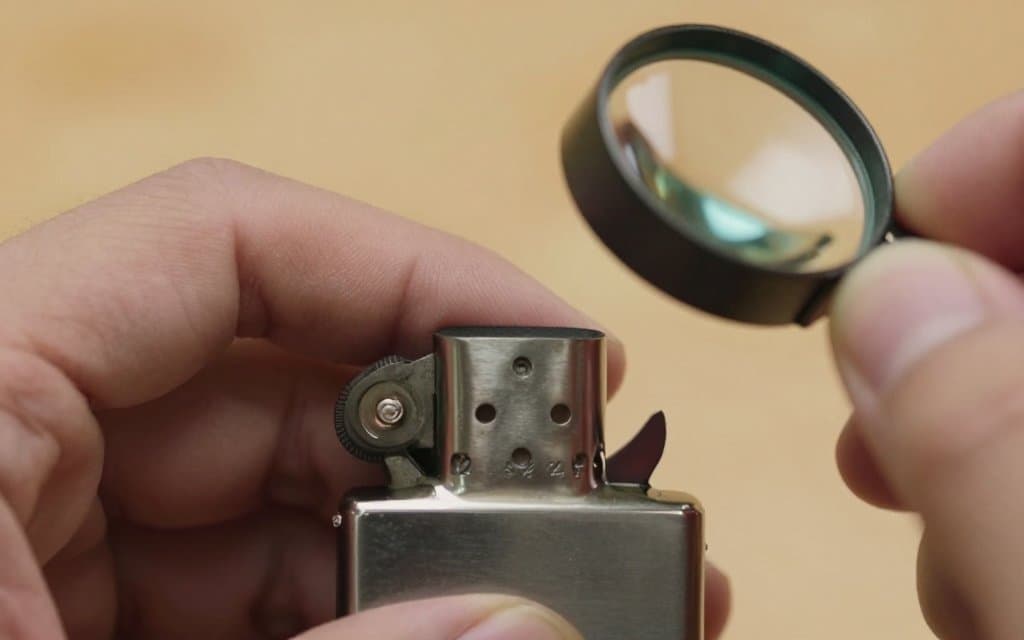
The bottom of a Zippo is its birth certificate. Read the stamp first, admire the artwork second.
How to read Zippo date codes on the bottom stamp
Here is how to date a Zippo lighter without any tools at all. Match the symbols around the logo to the right era, then read the letter and number if the lighter was made after 1986. Two minutes of practice and the whole system clicks into place.
From the mid 1950s to 1986 the marks changed shape every few years. Zippo used dots on each side of the logo through the mid 1960s, switched to vertical lines into the early 1970s, then used forward slashes until 1986. Each series began with the most marks and dropped one per year, so counting them narrows the date to a single year.
- •Dots on each side: mid 1950s through 1965
- •Vertical lines: 1966 to 1973, one dropped a year
- •Forward slashes: 1974 through 1986
- •Letter plus two digit year: 1986 to today
In July 1986 the code got simple. A letter gives the month, A for January through L for December, and two digits give the year. A base stamped H 95 means the lighter left the factory in August 1995, and B 04 is February 2004. Once you know that, most Zippos made in the last forty years read at a glance. Zippo's own guide confirms the letter and year system, and you can read the full breakdown in Zippo's dating reference.
| Stamp style | Years | How to read |
|---|---|---|
| Dots | 1955 to 1965 | Count the dots, fewer means later |
| Vertical lines | 1966 to 1973 | Eight lines in 1966, one less a year |
| Forward slashes | 1974 to 1986 | Four slashes in 1974, down to one |
| Letter and year | 1986 to now | A to L is the month, digits are the year |
Keep a Zippo date chart handy the first few times and the patterns stick fast. The table above is the short version, and the counts hold for the whole dots, lines and slashes run. When a base looks promising, that little chart is all you need to argue price with confidence.
What a vintage Zippo lighter is actually worth
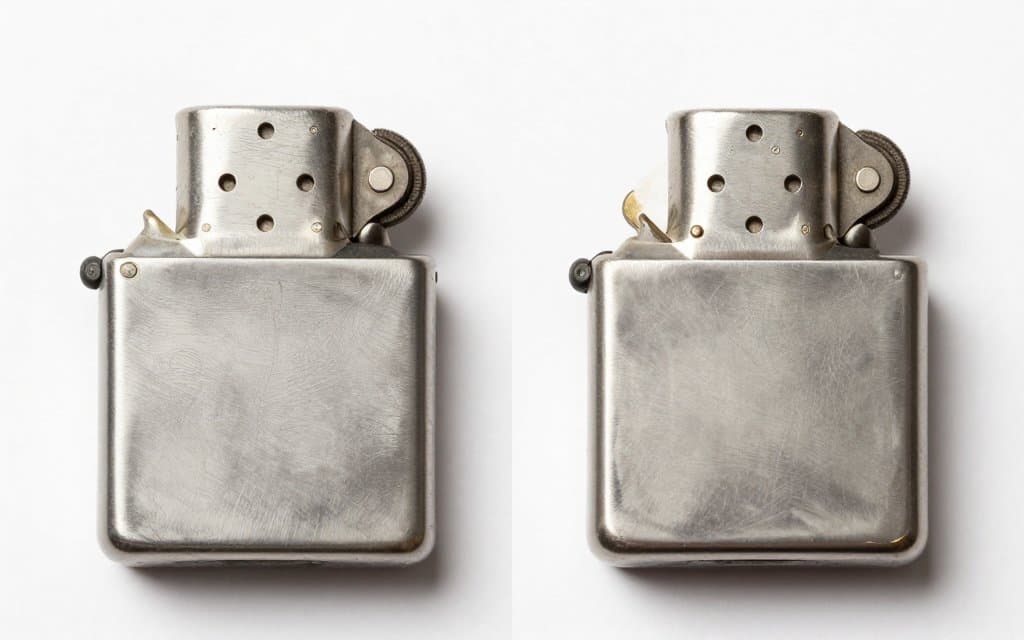
Most vintage Zippos are not rare, and that is the honest baseline. A clean, working example from the 1970s or 1980s usually sells for 25 to 80 dollars, and plain modern lighters often go for less than 50. Do not let a cool finish talk you out of that math before you check the date.
Age and theme are what move the number. Models from the 1950s and 1960s tend to run 80 to 350 dollars in good shape. Advertising lighters, military pieces and unusual finishes climb from there. The date code is what lets you trust the age a seller claims, which is why buyers who know the stamp pay more.
| Zippo type | Era | Typical price |
|---|---|---|
| Plain windproof | 1970s to 80s | $25 to $80 |
| Advertising or slim | 1950s to 60s | $80 to $350 |
| Vietnam engraved | 1965 to 1973 | $400 to $1,500 |
| WWII black crackle | 1942 to 1945 | $400 to $3,500 |
| Town and Country | 1950s | $300 to $800 |
A correct date code can add a zero to the price. The same Vietnam lighter is worth ten times more when the stamp proves the war era.
Condition still rules the sale. Deep dents, a dead hinge or a swapped insert pull the price down hard, and a wrong base kills a deal outright. The same base check works on other finds, and we valued sterling silverware and vintage cameras the same careful way.
The rare antique Zippo lighters that bring real money
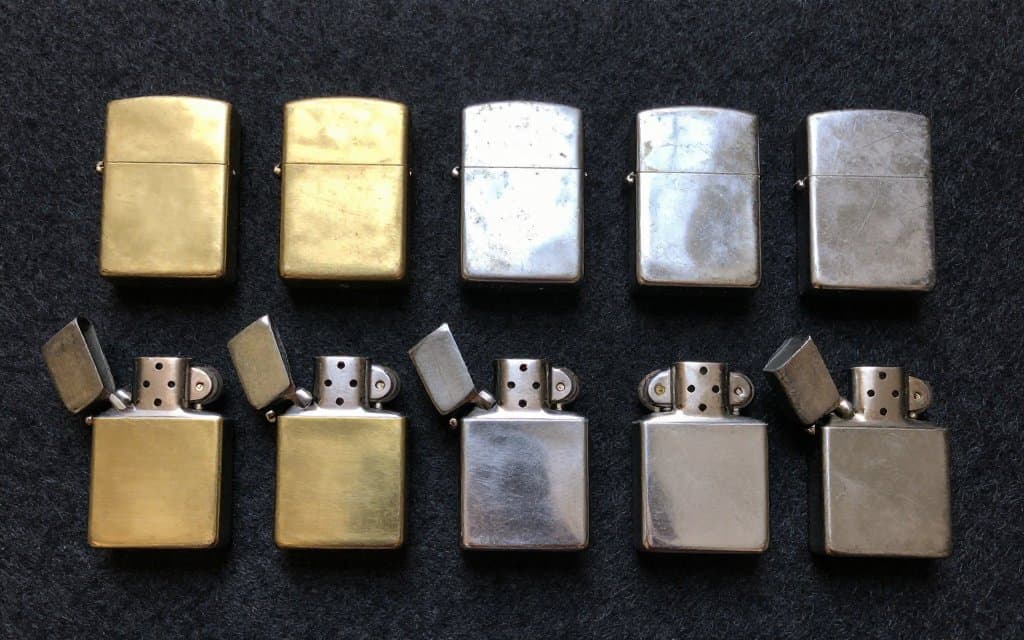
A few antique Zippo lighters sit in a different world. Vietnam War lighters engraved by soldiers with units, maps and pin ups are the most chased vintage Zippos of all, and documented examples trade from a few hundred to well past a thousand dollars. A 1971 Snoopy piece sold for 538 dollars, and hand engraved war lighters with paperwork can clear 1,500.
- •Vietnam engraved lighters: $400 to $1,500
- •WWII black crackle Zippos: up to $3,500
- •1950s Town and Country: $300 to $800
- •Solid 18k gold 007: about $30,000
- •A 1933 first year Zippo: $37,000
Those top numbers are rare air. The 18k gold 007 lighter runs about 30,000 dollars, and an original 1933 Zippo sold for 37,000 in 2007. You will not find those in a junk drawer, but they show why collectors read every stamp. Even an ordinary antique Zippo from the 1960s can quietly beat a modern one by ten to one, and a red tab on old Levi's proves value can hide in one tiny mark. You can also scan a lighter for its market value instead of memorising charts.
How to spot a fake Zippo bottom stamp
As values rose, so did fakes. A fake Zippo bottom stamp is the giveaway most reproductions get wrong. Real stamps have clean, even lettering that matches the era, block letters from the 1930s to 1950s and script from the mid 1950s to the late 1970s, while copies smear the logo or borrow a font from the wrong decade.
Cross check everything before you trust a date. A base that claims 1968 should carry the right slash count, wear on the insert should match the age, and the hinge should have the correct number of barrels. Never read a date code in isolation, because one wrong detail is enough to walk away from a bad buy.
- •Font that does not match the stamped era
- •Slash or dot count that reads impossible
- •Shiny new insert inside an aged case
- •Blurry logo or crooked patent line
If the stamp fights the story, believe the stamp. A five minute base check saves a bad buy and a bruised wallet.
Common questions about dating and selling Zippos
How do I read the dots on a vintage Zippo?
Count the dots on each side of the logo. More marks point to the start of a series and fewer marks mean a later year, down to a single mark. Dots run from 1955 to 1965, then vertical lines take over the pattern. Match the count to the chart above and you have the year.
Are all antique Zippo lighters valuable?
No, and that is worth remembering at the table. Most old Zippos sell for 25 to 80 dollars because the company made millions of them. Value spikes only with rare finishes, military engraving, advertising themes or a very early date. The stamp tells you which camp a lighter falls into.
Where can I find a Zippo date chart fast?
The table in this guide works as a quick Zippo date chart for the dots, lines, slashes and letter systems. Save it or snap a photo before you thrift, and pair it with a fast app check when a base looks promising and the price feels low.
Does a worn base lower the price?
Yes, but honest wear is fine and often welcome. Light scratches and a soft patina are normal on a working lighter and can even add character. What hurts value is a smoothed over stamp you can no longer read, a replaced insert, or a base that does not match the claimed year.
Stop guessing at the bottom of the case. Thrift Scanner reads the brand, the age clues and the real market value from a single photo, so you can spot a keeper Zippo before you pay a cent. Snap it, check the numbers, and never leave money sitting in the bin. Get the app here: iOS or Android.